Compare best smart scales 2026 by app syncing and detail
Full-body scanners with handlebars are the big trend, but a cheaper feet-only scale is enough for most people. Here is how the 2026 picks compare on data and app syncing.
Full-body scanners that read through your hands and feet are 2026's big trend, and top models now cost about $600.
Feet-only scales cost far less and track trends well enough for most people who are not serious athletes.
Working with an iPhone does not guarantee a scale syncs with Apple Health, so check each brand's app before buying.
Weighing at the same time each morning matters more than the exact body fat number on any single day.
Quick read · 1 min
Smart scales have boomed in 2026, partly driven by people on GLP-1 weight loss drugs who want to track their progress. The biggest trend is full-body scanners with handlebars that read through your hands and feet, giving limb-by-limb data. Top models such as the Withings BodyScan 2 now cost about $600.
For most people, a cheaper feet-only scale is enough, because the trend over weeks matters more than any single reading.
Budget full-body pick: Runstar FG2015 at $140, or the near-identical Renpho MorphoScan at $170.
Mid-range: Withings BodyFit at $230 with Wi-Fi and a strong app.
Check that your scale's app actually shares data with Apple Health or Google Health Connect.
Weigh yourself first thing each morning for the most consistent results.
Step on two different smart scales on the same morning and you can get body fat readings that differ by as much as 6 percentage points. That gap sums up the smart scale market in 2026: more data than ever, flashier hardware, and prices now topping $600, but numbers you should treat as a guide rather than gospel.
Demand has surged as millions of people on GLP-1 weight loss drugs look for proof that the weekly shots are working, and the bathroom scale has gone from forgotten gadget to health dashboard. If you are shopping for one, the two questions that matter most are how much body data you really need and whether the scale will send it to the health app you already use. Here is how the best options compare.
01
How smart scales measure more than weight
Almost every smart scale uses bioelectrical impedance analysis, or BIA. It sends a tiny, harmless electric current through your body and measures how easily it passes. Fat, muscle and water conduct electricity differently, so the scale can estimate your body fat percentage, muscle mass, water and bone, plus figures like BMI and basal metabolic rate (the energy your body burns at rest).
Scales connect in one of two ways. Bluetooth models sync with your phone when it is nearby. Wi-Fi models upload readings straight to the cloud, so your phone does not need to be in the bathroom. Wi-Fi scales usually cost more but are more convenient, and the flaky connections of older models have mostly been fixed.
02
Full-body scanners or feet-only scales?
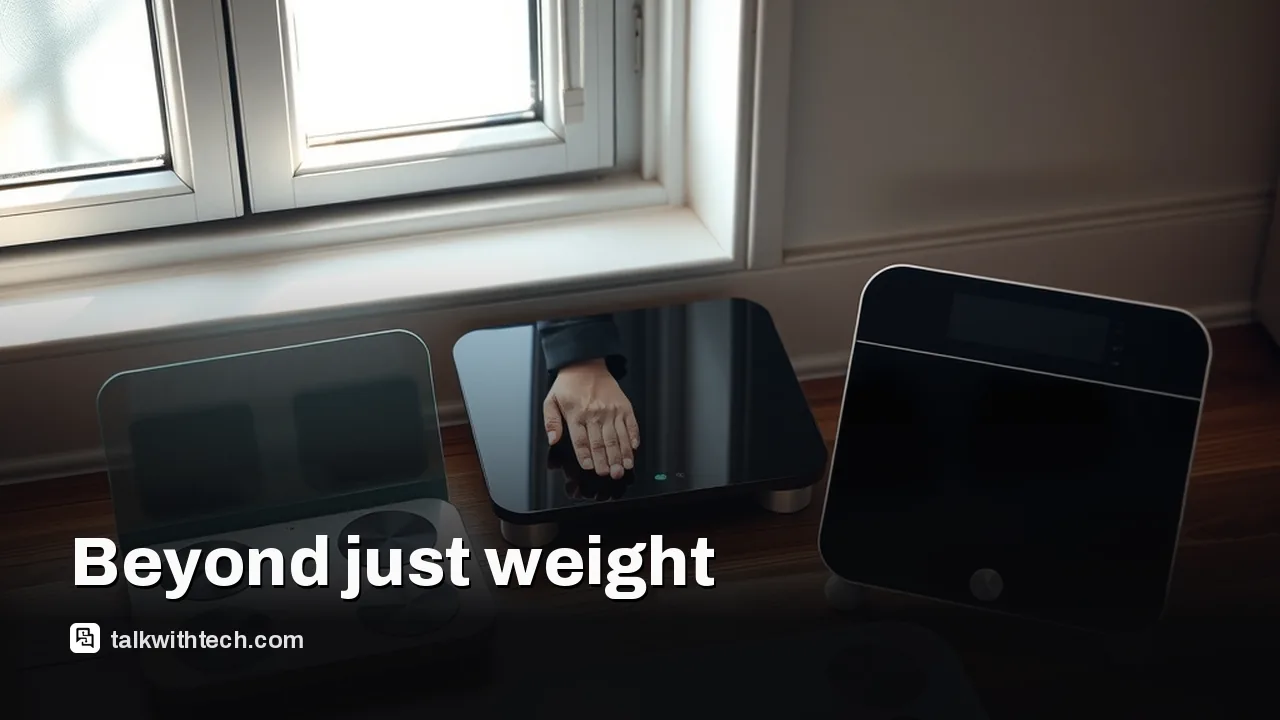
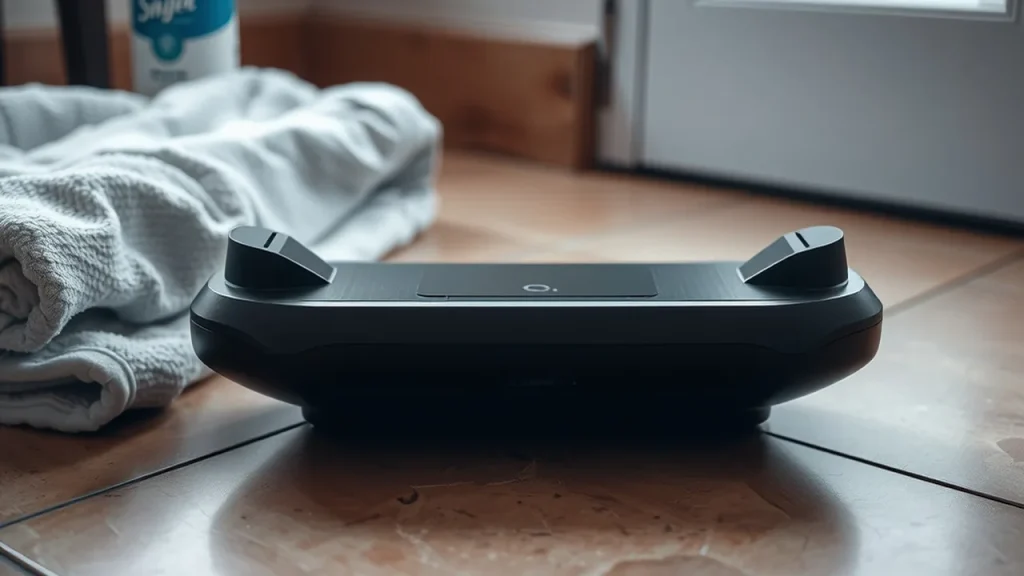
The big change of the past year is a wave of full-body scanners: bathroom scales with handlebars you hold while you weigh in. Because the current runs through your hands as well as your feet, they give a fuller picture, including separate readings for arms, legs and torso. Their body fat numbers also tend to come out higher than feet-only scales.
Do you need that? For most people, no. The trend line over weeks matters more than the exact number on any day, and a standard feet-only scale tracks that trend well for a fraction of the price. Full-body scanners make most sense for serious athletes, weightlifters who want limb-by-limb muscle data, or anyone who simply loves detail.
03
The best smart scales of 2026 compared
Here are the models worth a look, from simple to top tier. Prices are US list prices.
Etekcity HR Smart Fitness Scale. A strong all-rounder for most homes. It tracks 14 metrics, connects over Wi-Fi so your phone need not be nearby, runs on a rechargeable battery and has a colorful display. In testing, its body fat reading matched a gym-grade handheld monitor. It also has a mode that switches off the electric current for people who are pregnant or have a pacemaker.
Wyze Scale X. The budget pick. It measures 13 metrics, has modes for weighing a baby, a pet or luggage, and syncs with Apple Health, Fitbit and Google Fit.
Runstar Smart Body Fat Scale FG2015, $140. The cheapest way into full-body scanning. It tracks 20 metrics for up to 24 users, breaks results down limb by limb in its Starfit app, and charges over USB-C. The design is loud, but the price is hard to beat.
Renpho MorphoScan, $170. Almost the same scale as the Runstar, with a near-identical handlebar display, and it uses the same app. Pick whichever is cheaper on the day.
Tanita RD-953 InnerScan Pro, $230. One of the few new feet-only scales from a big name. It is quick and Bluetooth-only, but the display sits between your feet and is hard to read, and its Healthy Edge app is dull.
Withings BodyFit, $230. A sleek full-body scanner with a small color screen, fast Wi-Fi and the excellent Withings app. A good middle ground if you want hand-and-foot readings without paying top-tier prices.
Withings BodyScan 2, $599.95. The flagship. It tracks more than 60 health markers, including a six-lead ECG with AFib detection, blood oxygen, segmental body composition across six zones, and heart rate. It was named one of TIME’s Best Inventions of 2026 and is eligible for FSA and HSA spending in the US.
Two to approach with caution: the Hume Health Body Pod is heavily advertised but Bluetooth-only, and some features sit behind a paid Hume Plus subscription. The Renpho MorphoScan Lite, built for new GLP-1 users, drops Wi-Fi and the handlebar display and feels flimsy, for little saving over the standard MorphoScan.
04
Will your scale sync with Apple Health or Google Health Connect?
This is where many buyers get caught out. Pairing a scale with your iPhone over Bluetooth is not the same as getting its readings into Apple Health. Most brands use their own app first, which then passes data on to Apple Health or Google’s Health Connect.
The good news is that the main models above all sync with both, either directly or through the maker’s app. Before you buy, check three things:
Which app you must install. Renpho and Runstar share an app; Withings, Tanita, Etekcity and Hume each have their own.
Which metrics get shared. Weight and body fat usually pass through to Apple Health, while some segmental or heart data may stay in the brand’s app.
Whether there is a subscription. Withings includes a one-month free trial of Withings+, and Hume locks some features behind Hume Plus.
Whatever you buy, consistency beats precision. Weigh yourself first thing in the morning, after using the bathroom and before eating or drinking. Food and drink can shift your weight noticeably through the day, so morning readings give you a fair comparison every time. Your weight is usually at its lowest then too, a small morale boost.
Look at the weekly trend, not the daily number. If your weight is flat but body fat is edging down, your plan may be working. Body fat readings also move with hydration and recent meals, so a single odd result is nothing to worry about.
06
Quick answers
Which smart scale works best with iPhone apps?
Withings, Renpho, Runstar, Etekcity and Wyze scales can all pass data to Apple Health through their own apps. Check that the metrics you care about are shared, not just your weight.
Are smart scale body fat readings accurate?
They are estimates. Different scales can disagree by several points, but a single scale used the same way each day is reliable for spotting whether you are trending up or down.
Is a $600 smart scale worth it?
Only if you want extras like an ECG or limb-by-limb data. For tracking weight and body fat trends, a far cheaper feet-only scale is enough for most people.
Apple's creative app bundle is getting MotionVFX effects and AI assistants in November. Here's what it costs in the US and Canada, and when buying outright wins.
Meta quietly put Instagram on the Apple TV App Store with no announcement. What you can watch, what you need to install it, and why Meta wants your couch.
5 min read
We use cookies to understand how readers use Talk With Tech, so we can make it better. Is that OK? Privacy policy
The Daily Brief
Today's biggest tech stories, in 5 minutes
Every morning, the news that matters from AI, phones, apps and the people shaping tech. Explained in plain English. Free.
One email a day. No spam, unsubscribe anytime. Privacy policy