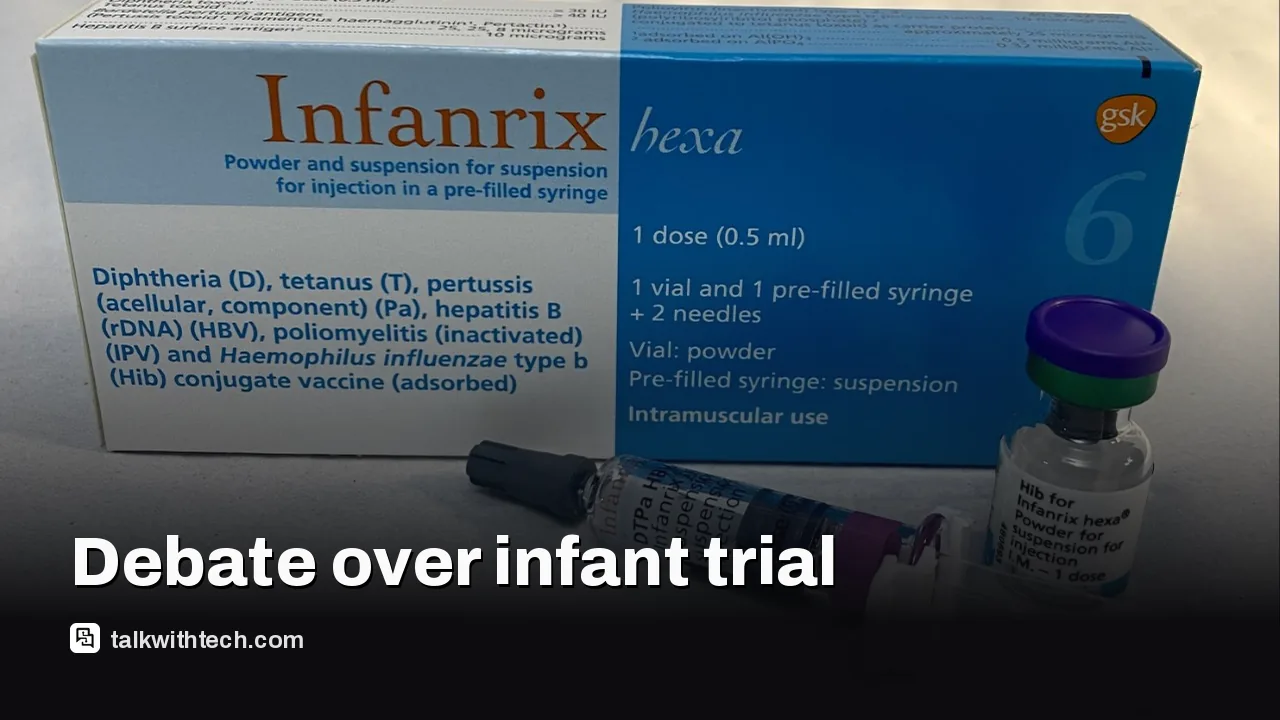
The CDC reportedly considered setting aside $1.6 million to fund a controversial newborn hepatitis B vaccine trial.
The trial design has faced international outcry for exposing babies to a lifelong infection and was suspended earlier in the year.
Funding would come from the CDC’s global health programs and involve Danish researchers led by Christine Stabell Benn and Peter Aaby.
Ethical concerns center on informed consent, risk to infants, and questions about misconduct allegations tied to prior vaccine research.
Quick read · 2 min
The CDC is reportedly considering funding a controversial newborn hepatitis B vaccine trial in Guinea-Bissau. The proposed budget is about $1.6 million and would come from the CDC’s global health programs. The trial design drew intense criticism for exposing newborns to risk and was suspended earlier this year. Danish researchers would run the study, but U.S. oversight would be involved. If funded, it would spur a broader debate about ethics, trust, and how the U.S. spends health dollars abroad. What happens next depends on the budget decision and how misconduct investigations unfold in Denmark.
For readers, the takeaway is that funding decisions in global health research can affect vaccine safety, public trust, and how quickly new vaccines are evaluated. Watch for a final decision from the CDC and responses from health experts and in-country partners.
Funding decision pending
Ethical debates ongoing
Public trust at stake
The Centers for Disease Control and Prevention is reportedly weighing a move to fund a controversial newborn hepatitis B vaccine trial that drew international condemnation earlier this year. The plan, described to the agency’s budget office in late September, would allocate about $1.6 million from the CDC’s global health programs to support the trial. The research would be run by Danish researchers in Guinea-Bissau, a country that has been at the heart of the debate since the study’s design was first revealed and criticized for exposing infants to a lifelong infection risk.
The trial was suspended in January after questions about its ethics and design emerged. The new funding discussion comes amid ongoing scrutiny from health experts and researchers who argue the study lacks proper safeguards for very young participants and could undermine trust in vaccine research. Danish authorities are already investigating misconduct allegations related to earlier vaccine studies led by the same investigators involved in this project, complicating the funding decision for U.S. officials.
For readers, the key issue isn’t just a single trial. It’s about how scientists build trust when testing vaccines in vulnerable populations, how costs and oversight are allocated across countries, and how U.S. agencies balance urgency against ethics in global health work. If the funding goes forward, it would mark a significant shift in how the CDC channels money for international studies that involve newborns and potentially high-risk procedures.
01
Which trial is under review and who would run it?
The plan would fund a study designed by researchers led by Christine Stabell Benn and Peter Aaby, a pair frequently cited in vaccine discussions. The work would be carried out in Guinea-Bissau, but the money would come from U.S. funding streams managed by the CDC. Officials say the study design and oversight would be subject to U.S. and international reviews, though critics argue the design remains ethically unacceptable for newborn participants.
02
Why is this controversial?
Ethical concerns focus on exposing newborns to a hepatitis B risk and questions about informed consent, risk minimization, and potential influence from researchers with a history of misconduct allegations. Health experts warn that funding a trial with such design could erode public trust in medical research and in vaccines more broadly.
03
What does this mean for public health policy?
If the CDC proceeds, it would prompt new debates about how the United States funds international health research, how risks are communicated to families, and what safeguards are required when testing vaccines in vulnerable groups. It would also spotlight how U.S. agencies coordinate with foreign partners in high-stakes clinical trials and how allegations of misconduct elsewhere affect these partnerships.
04
What happens next
At this point, no final funding decision has been made. The CDC and the U.S. Department of Health and Human Services did not respond to request for comment. Public health advocates say the agency should reject funding unless the trial meets strict ethical standards, with strong community engagement in Guinea-Bissau. Watch for updates on whether the budget office approves or blocks the funding, and how Danish authorities address misconduct inquiries tied to this research.
For everyday readers, this is a reminder that vaccines and public health research involve careful trade-offs. Decisions about funding and trial design can influence how quickly new vaccines are developed, how safe they are, and how much trust people place in medical research. If you’re a parent or caregiver, keep following official guidance about vaccine safety and consult your local health providers for information on newborn care and immunization schedules.
06
What happens next
Expect updates as the CDC and DHHS decide whether to earmark the funding, and see how Danish investigators respond to ongoing misconduct inquiries. A formal decision could shape U.S. involvement in this specific trial and influence future ethical reviews of similar international studies.
07
Quick answers
What exactly is the trial design being questioned?
The trial would involve exposing newborns to hepatitis B or testing a vaccine approach, which critics say risks infant health and lacks sufficient safeguards.
Has the funding been approved?
No final funding decision has been made. The plan to set aside $1.6 million was reported to the budget office, but nothing is final.
A political blogger in Ohio was found guilty of telecommunications harassment after emailing an explicit Shrek image to state Sen. Jerry Cirino following his withdrawal from a race.
3 min read
We use cookies to understand how readers use Talk With Tech, so we can make it better. Is that OK? Privacy policy
The Daily Brief
Today's biggest tech stories, in 5 minutes
Every morning, the news that matters from AI, phones, apps and the people shaping tech. Explained in plain English. Free.
One email a day. No spam, unsubscribe anytime. Privacy policy