Friday, 9 October 2026

Renamed in Europe, Tesla’s driver aid still needs regulator approval

Europeans will see the label change on Tesla’s driver-assistance feature, while regulators decide how far the tech can go on public roads.

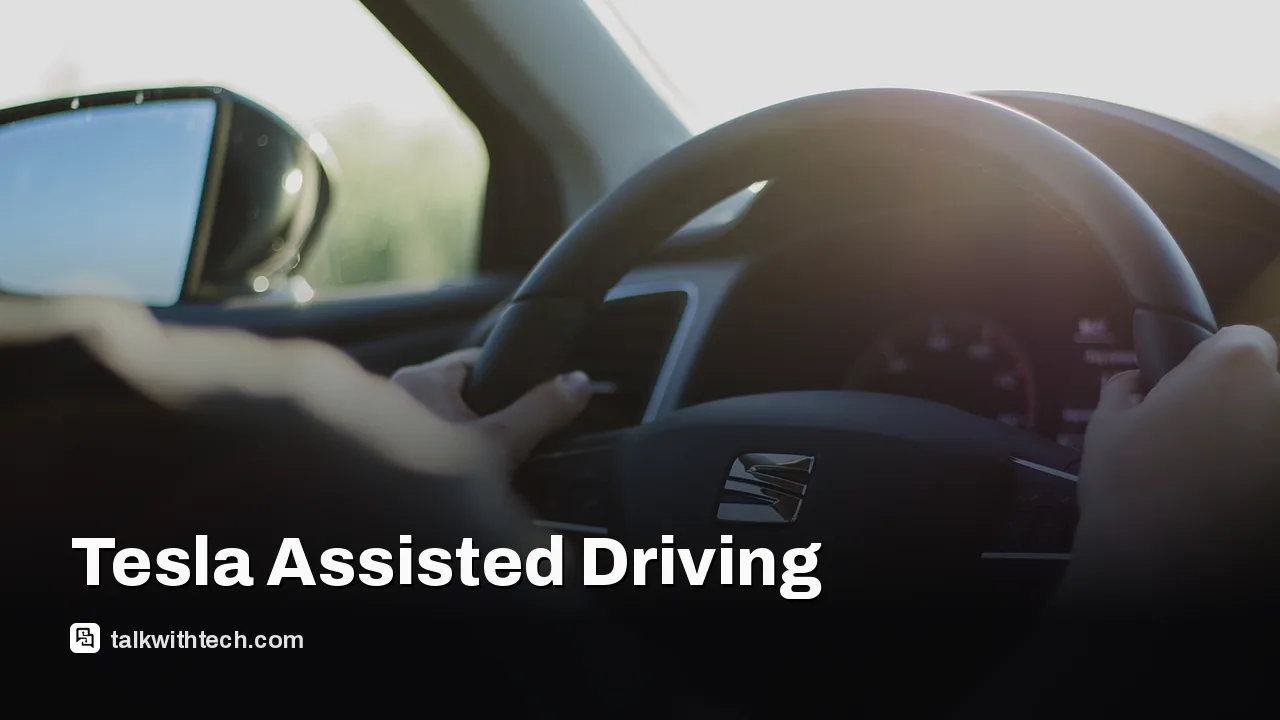
A car interior showing hands on the wheel while using driver-assist tech

The short version

  • Tesla has renamed its European driver-assistance software from Full Self-Driving (Supervised) to Tesla Assisted Driving.
  • The change follows pushback from Germany’s transportation ministry, which called the old label somewhat misleading.
  • Regulators across Europe are weighing how to approve and regulate the tech for on-road use.
  • The US site still uses the Full Self-Driving (Supervised) name, but Europe will see the new label.
Quick read · 1 min

Tesla has renamed its driver-assistance software in Europe from Full Self-Driving (Supervised) to Tesla Assisted Driving, following pushback from Germany’s transport ministry. The change is meant to help regulators approve the feature faster, though the system still requires drivers to stay alert and ready to take over.

For everyday users, that means the feature remains a supervised aid, not a hands-off autopilot. If you drive in Europe, watch for the new label on cars and in listings, and stay updated on any regulatory changes that could affect how you use the system.

  • Branding change in the EU
  • Supervision remains mandatory
  • Regulatory steps ahead

Tesla has changed the name of its European version of its driver-assistance software from Full Self-Driving (Supervised) to Tesla Assisted Driving. The move comes after pushback from Germany’s transportation ministry, which called the old label somewhat misleading because the system still requires a human driver to stay alert and ready to take control.

Starting now, Tesla’s European sites reflect the new branding, while the US site continues to market the older name for now. The shift is part branding and part regulatory strategy as the company tries to smooth the path toward wider use on public roads in Europe. German officials say the new label could help regulators approve the feature more quickly, though the substantive questions about safety and what the system can and cannot do remain the same.

01

Why Europe saw a naming clash

European officials have long argued that calling a system “Full Self-Driving” implies a level of automation that the technology does not deliver. In Europe, regulators are more cautious about what driver-assistance systems can promise and how they’re marketed. The name change is meant to reduce misperceptions that the car can drive itself without human supervision.

A conference table with documents and a mobile device, symbolizing regulatory discussions
02

What this means for drivers in the EU

For now, the software is marketed as a supervised driver-assistance feature. It can handle steering, acceleration and braking under certain conditions, but drivers must remain attentive and ready to take over. In practice, that means you still need to supervise the car and be prepared to intervene if the system encounters a situation it cannot handle.

03

What happens next

The European regulatory process will determine how and when the feature is allowed to operate at higher speeds or with fewer driver interventions. Tesla’s branding change is a step that aligns with how regulators want the technology described, but it does not automatically grant broader permissions on European roads.

A modern electric car on a highway, symbolizing European roads and driving tech
04

What this means for everyday people

If you’re a European Tesla owner or shopper, you may notice the new label on the car and in online listings. It’s a reminder that the technology is still a driver-assistance system, not a fully autonomous system. If you rely on it daily, keep up with updates from your local regulator and Tesla’s notices so you know when any new permissions or limits apply in your country.

05

What happens next for Tesla and regulators

As EU-wide rules evolve, expect more formal discussions about how to define and certify driver-assistance features. Tesla’s branding shift is likely to be followed by broader regulatory reviews of performance, safety data and marketing claims across Europe.

06

Quick answers

Will the car drive itself in Europe now?

Not yet. It remains a supervised driver-assistance feature that requires human attention.

Is this only about branding?

Primarily yes, but branding can influence regulatory decisions and consumer perceptions.

Will the US change the name too?

There’s no indication of a US-wide change announced at this time.

  • Branding shift in Europe
  • Regulatory alignment ahead of EU vote
  • Driver attention still required

You're reading the quick version.