Sam Altman RAM comment: what he said, and why PC owners bristled
OpenAI's CEO called RAM in home computers a poor use of scarce memory. Here is his argument, the numbers behind the shortage, and what it means for your next PC.
On the Cheeky Pint podcast, Sam Altman said DRAM sitting in personal computers is a poor use of the world's limited memory supply.
His argument: home PCs use their memory about five percent of the time, while cloud servers can run near full use.
PC gamers and builders pushed back hard, noting that AI buyers like OpenAI are a big reason memory prices have climbed.
Memory makers have locked up much of their output for data centers, so RAM, laptops and consoles are unlikely to get cheaper soon.
Quick read · 2 min
OpenAI boss Sam Altman said on the Cheeky Pint podcast that it is quite terrible for the world's limited supply of DRAM, the working memory in computers, to sit in home PCs that use it about five percent of the time. He argued memory does more good in cloud data centers that run near full use.
PC gamers and builders were not impressed. AI companies have been buying up memory makers' output, and reports put OpenAI's deals at about 40 percent of global RAM production. That demand is a big reason RAM, laptops and consoles cost more this year.
Samsung and SK Hynix have reserved much of their output for AI buyers.
Micron is quitting its consumer memory brand.
RAM prices for home builders are expected to stay high into next year.
If you need a PC soon, buy the memory you need now rather than waiting for prices to fall.
Sam Altman’s RAM comment boils down to one claim: the memory inside your PC would do the world more good in a data center. On the Cheeky Pint podcast, the OpenAI chief executive said it is “quite terrible” for millions of people to keep scarce DRAM in their own computers, where he says it sits busy only about five percent of the time.
That landed badly. Memory prices have climbed hard this year, and a big reason is that AI companies, OpenAI among them, have been buying up chip makers’ output. So when the person running one of the biggest buyers suggests your desktop is the waste, PC owners heard it as blaming the customer for a shortage the AI boom helped cause. Here is exactly what he said, what is true in it, and what it means if you are about to buy a computer.
01
What Sam Altman actually said about RAM
Altman was asked about supply chain shortages, including the RAM squeeze, and answered by questioning the push for local AI. Local inference means running an AI model on your own computer rather than on a company’s servers. Many people assume that free, open models will soon let everyone do this, so the giant data centers won’t be needed.
He disagreed. Looked at as a question of global allocation, he argued, it makes little sense for everyone to own a slice of the world’s limited DRAM that sits idle about 95% of the time. In a supply-constrained world, he said, you want “maximum utilization in the cloud”, and he added that most people’s gut feeling runs the other way.
DRAM is the short-term working memory in computers, phones and servers. It is the same family of chips as the RAM sticks in a gaming PC, which is why builders took the remark personally. Reports of the interview also say Altman mentioned an OpenAI-designed processor called Jalapeno, though no official details of that chip have been published.
02
Why PC gamers reacted so strongly
The backlash came fast on gaming and hardware forums. People buy desktops to edit video, play new games and run software without a monthly fee, and they pointed out that “idle” memory is memory that is ready the moment you need it. One critic compared it to a car parked in a garage: unused most of the day, but nobody calls that a failed allocation.
The timing made it worse. PlayStation has raised its prices, and the latest Xbox handheld made with ROG came in at $1,300. Buyers who already feel squeezed heard the boss of a major memory customer describe their hardware as the problem.
There is also a business angle critics were quick to raise. OpenAI earns money when people use its models in the cloud through subscriptions. Every person running an open model at home is a person not paying for that. That does not make Altman’s engineering point wrong, but it is worth keeping in mind when a cloud seller argues that computing belongs in the cloud.
03
Is AI really causing the RAM shortage?
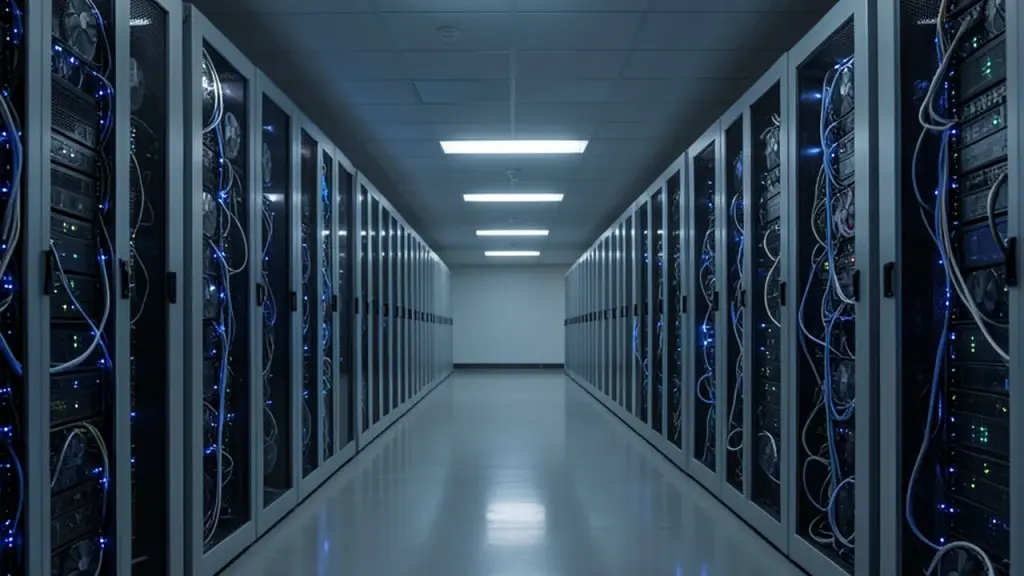
AI demand is a big part of it, and the memory makers say so themselves. Samsung and SK Hynix have signed long-term deals with cloud operators and with projects like OpenAI’s Stargate data center program, reserving much of their output for the next few years. Those buyers are willing to spend billions, and that money pulls supply away from laptops, phones and PC parts.
Reports put OpenAI’s own deals at about 40 percent of global RAM production, or roughly 900,000 DRAM wafers a month, from SK Hynix and Samsung. OpenAI has not broken those numbers down publicly, so treat them as reported figures rather than confirmed ones.
Micron gave the clearest sign of where the industry is heading. In December 2025 it said it would quit selling memory to consumers under its own brand, citing surging AI demand and a wish to focus on larger strategic customers. Pressure has spread across regular DRAM, NAND flash storage and HBM, the high-bandwidth memory built for AI accelerators.
So the honest answer is that home PCs did not create this shortage. Big AI buyers soaking up supply did much more to move prices, and makers chose to follow the bigger contracts.
04
Does he have a point about wasted memory?
Partly. Shared servers really can keep memory busy far more of the time than a home PC, and in a pure efficiency sense that is a better use of each chip. That is the same logic that makes cloud storage cheaper per gigabyte than buying drives for every person.
But efficiency is not the only thing people want from a computer. Running AI or other software locally keeps your data on your machine, works offline, and keeps going when a cloud service has an outage. Concentrating memory in a few data centers also concentrates control: if your tools live in someone else’s cloud, the price and the rules are theirs to change. Those are questions about ownership, not just engineering.
What this means for your next PC, laptop or console
For buyers, the takeaway is practical: don’t wait for RAM to get cheap in the next few months. Memory makers have locked in data center deals into next year, so prices for PC builders are expected to stay high for a while.
Building a PC: buy the amount of memory you need now rather than overbuying for the future, since extra capacity costs a premium.
Buying a laptop: check whether the memory is soldered. If it is, you can’t add more later, so pick the size you’ll need for the whole life of the machine.
Waiting on a console: expect memory costs to keep pushing hardware prices, which is already showing in PlayStation’s increase and in worries about what the next generation will cost.
Curious about local AI: you don’t need new hardware to try it. Start with small models on the machine you have before spending on more memory.
06
Quick answers
What did Sam Altman say about RAM?
He said it is quite terrible, from a global supply view, for scarce DRAM to sit in personal computers that use it about five percent of the time, and that memory is better used in busy cloud data centers.
Where did Sam Altman make the RAM comment?
On the Cheeky Pint podcast, when he was asked about supply chain shortages, including the ongoing shortage of memory chips.
Will RAM prices go down soon?
Not soon. Samsung and SK Hynix have reserved much of their output for AI and cloud customers under long-term deals, so prices for home builders are likely to stay high into next year.
You describe what you want in everyday words and an AI writes the code. It's now stripping ads from TVs and building Unreal Engine. Here's where it breaks.
Mistral's trillion-parameter Le Chonk is now free to download, but even the slimmed-down version needs four data-center GPUs. Here's the realistic way to try it.
OpenAI's boss told Stanford business students their career instincts are stuck in the past. What he actually said, and what holds up for everyone else.
6 min read
We use cookies to understand how readers use Talk With Tech, so we can make it better. Is that OK? Privacy policy
The Daily Brief
Today's biggest tech stories, in 5 minutes
Every morning, the news that matters from AI, phones, apps and the people shaping tech. Explained in plain English. Free.
One email a day. No spam, unsubscribe anytime. Privacy policy