Friday, 27 November 2026

CRTC junk fees ruling: three carrier charges end by Dec. 27

Canada's regulator says Bell's and Rogers' $40 phone charges and Telus' $15 SIM fee break the June ban. Here's what goes, what stays, and what to do if you paid.

A smartphone resting on a printed phone bill on a kitchen table

The short version

  • The CRTC ruled that Bell's $40 handling charge, Rogers' $40 setup charge and Telus' $15 SIM fee break its June fee ban.
  • The three carriers have until December 27 to stop charging them, and the regulator says it will enforce right away after that.
  • No refunds or fines were ordered over the fees, but customers who paid can ask their carrier and then go to the CCTS.
  • In a separate ruling, the CRTC found Bell broke the Wireless Code by locking phones for up to 60 days and may fine it up to $10 million.
Quick read · 2 min

Canada's telecom regulator says three new charges from the Big Three carriers break its June ban on activation fees. The CRTC ruled on Friday that Bell's $40 device handling charge, Rogers' $40 device setup charge and Telus' $15 SIM or eSIM fee are prohibited, and the carriers must stop charging them by December 27.

The ruling doesn't come with refunds or fines. If you already paid one of these fees, the CRTC suggests asking your carrier for a refund first and then filing a complaint with the CCTS if that fails. Some charges stay legal:

  • Rogers' fee for shipping a phone
  • Rogers and Telus fees to replace a lost or broken SIM
  • Setup help you ask for and actually get

Separately, the CRTC found Bell broke the Wireless Code by locking phones for up to 60 days and says a fine of up to $10 million may be appropriate. Comments on that penalty close January 15, 2027.

Bell’s $40 phone handling charge, Rogers’ $40 setup charge and Telus’ $15 fee for a SIM or eSIM are all against the rules, Canada’s telecom regulator ruled on Friday. In its CRTC junk fees decision, the Canadian Radio-television and Telecommunications Commission gave the three carriers until December 27 to stop charging them.

If you’re buying a phone or switching plans with one of the Big Three this holiday season, that matters right now. The fees don’t vanish overnight, nobody is being ordered to pay you back, and the same ruling quietly confirms that some other one-time charges are still allowed. Here’s how it all breaks down.

01

Which CRTC junk fees are now banned

The CRTC found three specific charges are prohibited under the Telecommunications Act. Each one was introduced after a June ban on fees for activating, changing or cancelling a cellphone or internet plan, and the regulator says each is effectively that same kind of fee under a new name.

  • Bell: a $40 device handling charge for people buying a phone along with wireless service.
  • Rogers: a $40 device setup charge, applied when customers bought a phone and signed up through an assisted sales channel.
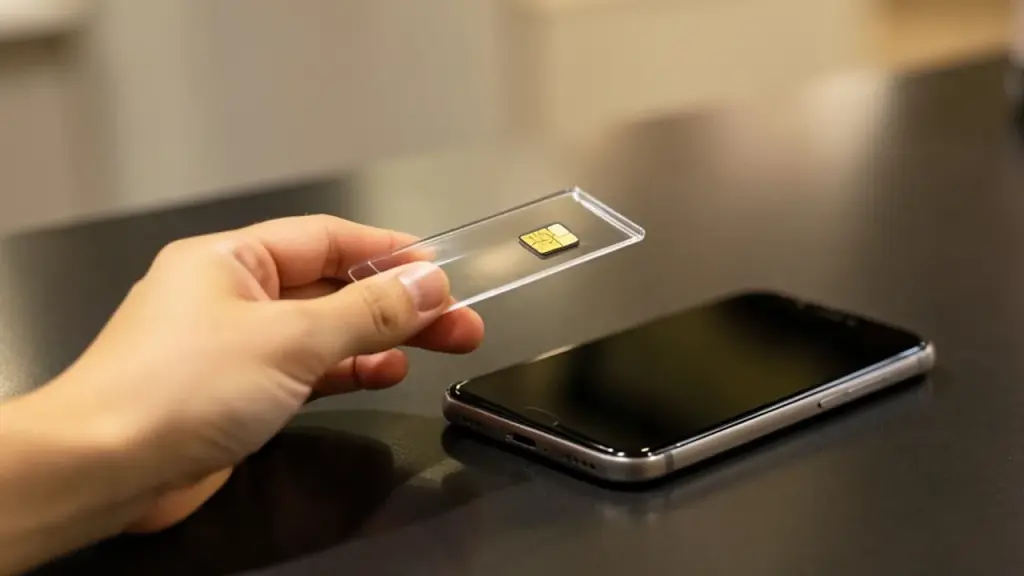
  • Telus: a $15 fee for providing a SIM card or eSIM (the digital SIM built into newer phones) as part of wireless service.

The carriers argued these were payments for things customers chose to buy, not plan activation fees. The CRTC disagreed after looking at how each charge actually worked. With Rogers, the regulator said the setup fee was charged whether or not the customer asked for or got any extra help. With Telus, a SIM or eSIM is needed to use the service at all, so it can’t be sold as an optional add-on when you start or change a plan.

A hand holding a SIM card tray beside a phone on a counter
02

The fees that survive the ruling

Not every extra charge is gone. The CRTC said several fees are not prohibited, so you may still see them on an order:

  • Rogers’ shipping fee for sending you a phone, which the regulator previously described as a $25 charge.
  • Fees from Rogers and Telus to replace a SIM card that’s lost or broken.
  • Genuine optional setup help. The regulator says a carrier can charge for setup assistance if you ask for it and actually receive it.

That last point is the key test the decision lays out. A charge for something you really chose is fine. A charge that comes with every new plan, whether you wanted the service or not, is a disguised activation fee.

03

Why the deadline is December 27, not today

The CRTC gave the carriers 30 days. A CRTC official told reporters at a Friday briefing that this is the shortest practical time for the companies to change their billing systems. The regulator says it will be ready to start enforcement action as soon as that window closes if any carrier keeps charging, and that could include fines.

So for the next few weeks, the fees can still show up. That covers Black Friday orders and some holiday upgrades. The CRTC also says it assumed the carriers acted in good faith while the new rules were being tested, and it is not imposing penalties over these fees at this time.

Phones on display stands on an empty store counter
04

What this means for your phone bill

For most people, this ruling means a cheaper start the next time they get a phone or change plans with Bell, Rogers or Telus. From December 27, a new line bought with a phone should not come with a $40 handling or setup charge, and a Telus customer should not pay $15 just to get the SIM the service needs.

The bad news is about money already spent. The CRTC did not order refunds in this decision. The official at the briefing said the regulator can’t force carriers to repay these fees under the Telecommunications Act. If you paid one, you’re not out of options, though:

  1. Find the bill or receipt that shows the charge and keep a copy.
  2. Contact your carrier, ask it to review the fee and request a refund.
  3. If the carrier won’t fix it, file a complaint with the Commission for Complaints for Telecom-television Services (CCTS), the independent body the CRTC pointed customers to.

If you’re ordering a phone before December 27, check the order summary for one-time charges before you confirm, since the fees may still be there.

05

Bell’s 60-day phone lock could cost it $10 million

The same day, the CRTC found in a separate decision that Bell broke the Wireless Code by locking phones to its network for up to 60 days after activation. Canada banned locked phones in 2017, along with the unlocking fees that came with them, so people could switch providers more easily. Bell began its 60-day lock in April 2025 and kept it in place after the CRTC told it to stop.

The CRTC says its preliminary view is that a penalty of up to $10 million may be appropriate, which it described as the upper range of what the law allows. It has opened comments on the fine until January 15, 2027, and Bell can reply by January 22, 2027.

Telus had also asked the CRTC to pause the unlocking rules and let it lock phones for 60 days too, arguing that Bell’s lock made Telus devices a bigger target for theft and fraud. The regulator said no. Since August, carriers have been allowed to lock a phone for up to two business days, after which it unlocks on its own, and customers can ask for an immediate unlock at no cost.

06

What comes next for Canadian carriers

The CRTC says it will keep watching fees closely and is ready to act against any provider that charges prohibited ones. It is also reviewing its consumer protection codes, with a plan to fold the rules for internet, cellphone, home phone and TV into a single code. A public hearing on that review begins on November 30, 2026.

That hearing matters because carriers have already asked for changes there. Requests on the table include loosening the phone locking rules and removing protections covering roaming caps, extended financing offers and clawbacks of sign-up perks.

07

Quick answers

Do I get my $40 or $15 fee back?

Not automatically. The CRTC didn’t order refunds, so ask your carrier for one and take it to the CCTS if they refuse.

When do Bell, Rogers and Telus have to stop charging these fees?

By December 27, 2026. The CRTC says it can start enforcement right after that date.

Can Rogers still charge me for shipping a phone?

Yes. The CRTC said Rogers’ shipping fee and SIM replacement fees from Rogers and Telus are not prohibited.

You're reading the quick version.