How fake paperwork hid $2.5B in Super Micro AI server exports
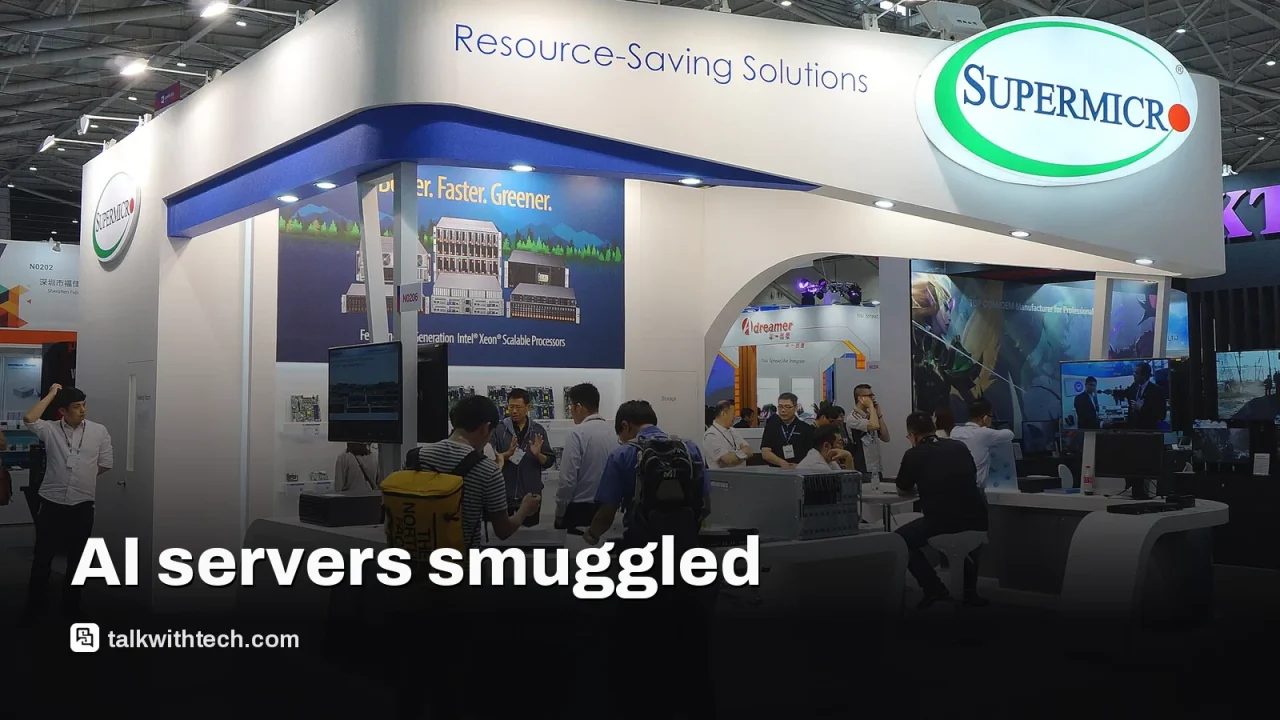
A former fixer pleads guilty to conspiring to smuggle Nvidia AI servers to China, part of a $2.5 billion export-control scheme tied to Super Micro Computer.
Ting-Wei Sun, a former contractor described as a “fixer,” pleaded guilty to conspiracy related to smuggling Nvidia AI servers to China.
Prosecutors say the scheme used fake paperwork and dummy servers to hide shipments, circumventing export controls.
Super Micro co-founder Yih-Shyan Liaw denies charges, while another former manager remains at large.
The case highlights ongoing enforcement of export-control rules on advanced AI hardware and concerns about supply-chain security.
Quick read · 1 min
A former contractor pleaded guilty in a case tied to the alleged smuggling of Nvidia AI servers to China, linked to Super Micro Computer. The crimes center on violating export controls and using fake paperwork to disguise the true destination of the equipment.
The plea accompanies ongoing questions about the company’s leadership and its role in the scheme. Sentencing for the accused is scheduled for Sept. 8, 2027.
What this means for everyday readers: export rules around advanced AI hardware are being enforced more strictly, which can influence availability, costs, and who can buy the gear. Expect ongoing regulatory and legal follow-ups that may affect suppliers and buyers in North America.
The latest development in a long-running export-control case centers on Ting-Wei Sun, a former contractor described as a “fixer” who pleaded guilty to conspiring to divert Nvidia AI servers to China. The plea is part of an agreement with prosecutors, and Sun is set to be sentenced on Sept. 8, 2027, according to reports tied to the case. The allegations involve substantial hardware moves tied to Super Micro Computer, a company that has faced scrutiny over shipments of AI-ready equipment.
Sun’s plea comes after prosecutors described a scheme that moved servers powered by Nvidia chips through a Southeast Asian company and then toward customers in China. The servers allegedly carried hardware that U.S. export controls bar from sale to China. Authorities say the operation relied on fake paperwork and the creation of dummy servers to hide the true origin and destination of the equipment.
Super Micro itself has said its current leaders did not know about the scheme and that it is cooperating with investigators. The company has also faced shareholder scrutiny in the past over disclosures related to its China operations. One co-founder, Yih-Shyan “Wally” Liaw, has pleaded not guilty and is not in custody, according to the latest filings. Another involved individual, Ruei-Tsang “Steven” Chang, remains at large, and the company’s role in the scheme is not described as a defendant in the case.
The broader context is clear: U.S. authorities are actively pursuing enforcement actions around high-end AI hardware exports to China, reflecting a push to preserve an edge in AI technology through tighter control of semiconductors and related equipment. While Sun’s plea marks a concrete legal milestone, the outcome for Super Micro as a company remains tied to ongoing investigations and any potential settlements or internal investigations described by regulators or prosecutors.
For readers, the message is that export-control rules aren’t just abstract laws. They govern what hardware can cross borders, and that can affect supply chains, pricing, and who has access to certain kinds of AI-ready servers. The case also highlights how complex these operations can be, involving multiple countries, shadow paperwork, and staged assets meant to fool auditors.