Physical media isn’t dead. A new piece by Pocket-lint highlights several overlooked benefits of owning discs, records, or books in an era dominated by streaming and digital downloads. The gist: owning a physical copy can feel more reliable, shareable, and even sociable than relying on a constantly updating library in the cloud.
Streaming can disappear with a subscription. Digital copies can vanish if rights change or a service drops a title. A physical disc or book, once you own it, sits in your cabinet or shelf with your name on it. That sense of permanence matters when you want to rewatch a movie or re-read a book without worrying about availability.
Beyond ownership, physical media can foster social connections. Visiting a local shop, chatting about a favorite release, and lending a disc or book are ways to connect with friends and fellow fans that streaming algorithms rarely replicate. The article argues this creates “third spaces” that help counter feelings of isolation tied to heavy device use.
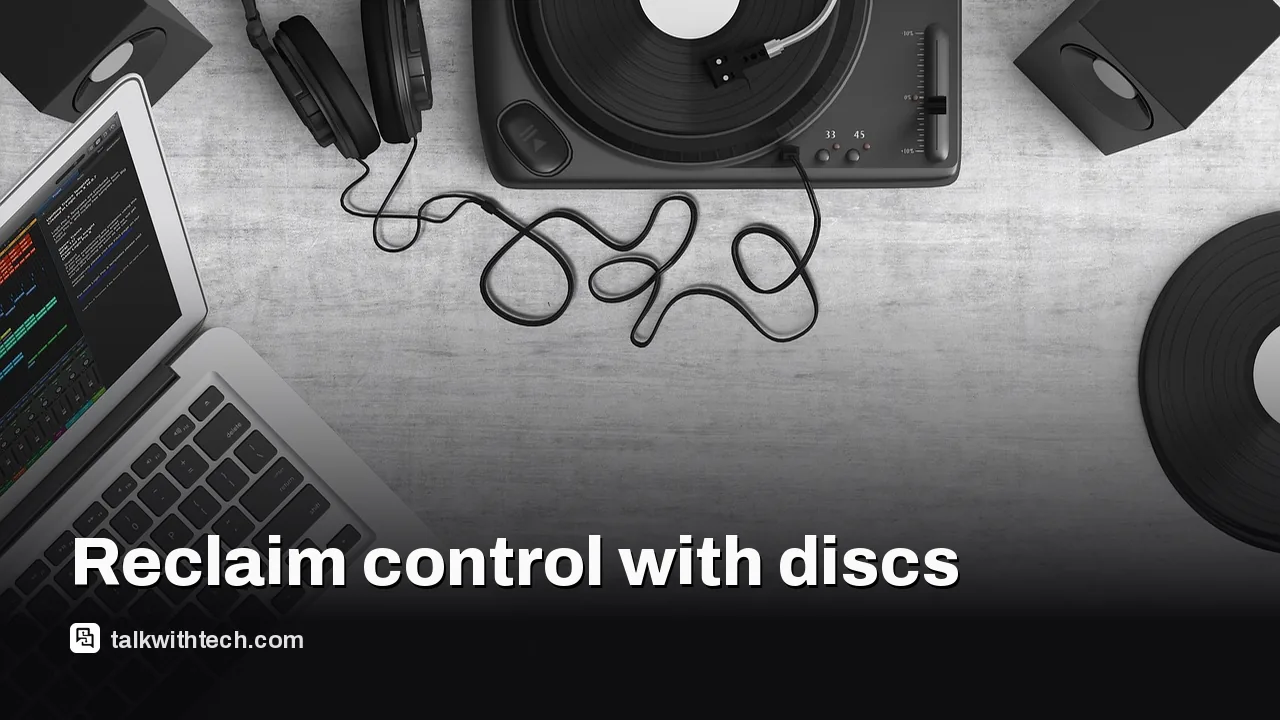
There’s also a practical rhythm to physical media. A vinyl record, for example, demands intentional listening, you pick a side, you play it, and you complete a complete listening experience. That structure can help people avoid endless scrolling and binge-watching and make entertainment feel like a finite, purposeful activity.
But it isn’t just nostalgia. Physical formats can offer real benefits in certain situations. They can deliver strong, stable image and sound quality, free from streaming bitrate fluctuations. They don’t rely on a sunken cost of a data plan or a cloud account. And they create shareable artifacts that can be swapped, sold, or lent without licensing limbo or digital rights management headaches.
That said, the article doesn’t argue to abandon digital at all. The smarter takeaway is balance: keep digital access for convenience and breadth, but recognize what you gain from owning something tangible, and the value of supporting local shops, libraries, and creators who still rely on physical formats for distribution and discovery.
For readers weighing the cost, a practical approach is to start small. Pick a couple of favorite artists or authors and see how owning physical editions changes your relationship with the content. Compare prices of a vinyl album, a Blu-ray, or a well-made hardcover against streaming costs over a few months. You may find the benefits scale with your habits, not just your wallet.
02
The social angle: why third spaces matter
Going to a shop or a friend’s collection invites conversations you won’t get from algorithms. It builds communities around tastes and titles, which can be especially valuable for those who feel detached from the online world. This social dimension can be as meaningful as the content itself.
04
What happens next and how to start
Experiment with one medium you already love. Buy a single vinyl record, Blu-ray, or hardcover edition, then compare the experience to the digital version. Visit a local shop or library and check out their physical-media sections to see what’s feasible in your area. If you have a stack of unwatched titles, consider setting aside a specific night each week to enjoy one physical pick with family or friends.
05
Quick answers
Do physical formats really offer better picture or sound?
They can, depending on the format and your setup, and you’re no longer at the mercy of streaming bitrate changes.
Is it worth the cost today?
It depends on how often you use them and whether you value ownership and social moments. Start small and test the experience.