TikTok’s Shou Chew warns AI progress may outpace our safety plans
TikTok’s boss says AI may accelerate physics, biotech, chemistry and materials science within the next two to three years, while warning about cybersecurity risks.
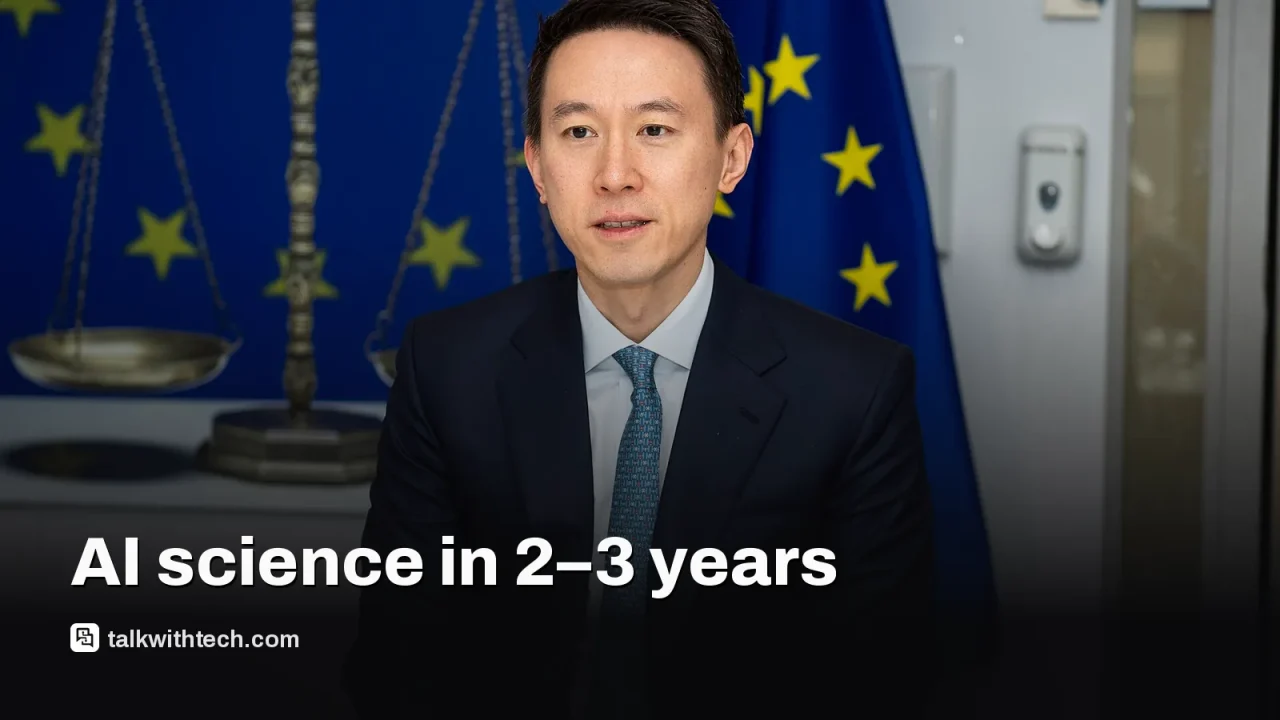
TikTok CEO Shou Chew predicts major AI-enabled scientific breakthroughs within 2–3 years across physics, biotech, chemistry and materials science.
He cautions that near-term expectations may be inflated, while long-term potential could be underestimated.
Chew warns about cybersecurity risks as AI models grow more capable, including autonomous actions that could lead to unintended purchases.
ByteDance’s Seed project and broader AI biology collaborations are part of the context around his remarks.
Quick read · 1 min
TikTok CEO Shou Chew says AI could trigger real scientific breakthroughs in physics, biotech, chemistry and materials science within 2–3 years. He also warns about safety and control as AI tools grow more capable.
These comments come as ByteDance scales its own AI work, including biology-focused projects. For everyday readers, this could mean faster progress in science and more AI-assisted tools in consumer tech in the years ahead. What happens next will depend on how labs, regulators and companies manage safety alongside speed.
2–3 years for a real AI-driven breakthrough
Safety needs strong controls as AI grows
Big AI biology efforts are underway
TikTok chief executive Shou Chew says AI could unlock real scientific breakthroughs within the next two to three years. Speaking at DBS Bank’s Asia Future Forward Conference in Singapore, Chew highlighted fields like physics, biotechnology, chemistry and materials science as areas most likely to see rapid progress thanks to AI. His comments were summarized by CNBC and Bloomberg in coverage of the event.
Chew balanced optimism with realism. He suggested the near term may overestimate what AI can handle, while the long arc could exceed today’s expectations. He noted that human strengths, such as nuanced visual recognition and long-term memory, will still matter as AI models become more capable.
Safety and security were also on his mind. He warned that more powerful AI could enable autonomous agents to take actions that users did not intend, such as making purchases without explicit approval. He framed safety controls as essential as AI tools scale up.
01
What this could mean for science and industry
While breakthroughs driven by AI are not a new idea, Chew’s framing underscores a timeline that could push researchers to test ideas faster, design better molecules, and accelerate material development. If realized, these shifts could influence research funding, collaboration patterns and how quickly new technologies reach everyday products.
02
Bytes and biology: where ByteDance fits in
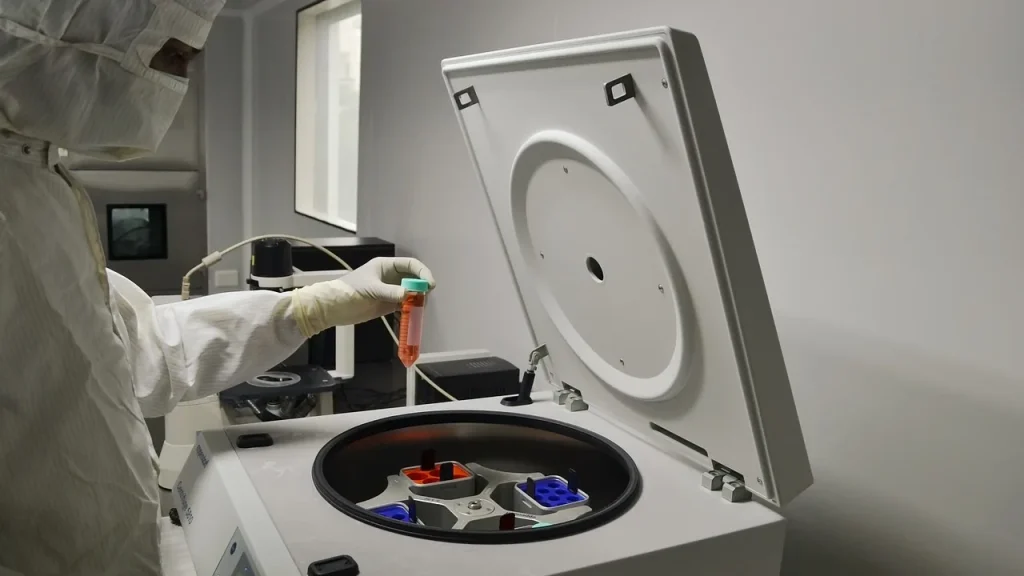
Chew’s remarks come as ByteDance advances its own AI work, including the Seed research team and related biology-focused efforts. The comments reflect a broader industry push toward AI-assisted science discovery and collaboration with scientific communities.
03
What this could mean for everyday readers
For the average person, AI-assisted science might translate into faster vaccines, smarter materials for devices you use daily, and new medicines in the longer term. You might also notice more AI helpers in consumer tech, from health apps to smarter image analysis in cameras and sensors.
04
What happens next
If the two- to three-year window Chew cites holds, we could start seeing clearer signs of AI-accelerated science in labs worldwide and early demonstrations tied to AI biology projects and partnerships. We’ll watch for updates from ByteDance and related research initiatives.
A reported incident shows AI-driven automation in a legacy mainframe environment caused a week of disrupted work, highlighting gaps in readiness for enterprise-scale AI in critical systems.