Thumb drives are small and portable but prone to damage, loss, and data corruption.
Flash storage has finite write cycles and can suffer bit rot over time, increasing the risk of losing files.
The 3-2-1 backup rule is a practical guideline to keep important data safe across multiple locations.
A simple plan now can save memories, work documents, and other important data from disappearing.
Quick read · 1 min
Thumb drives are convenient, but they’re not foolproof. They wear out, fail, or get lost, and data can become corrupted over time. A simple backup plan helps keep what matters safe.
What to do now: identify important files on older thumb drives, back them up to two local drives, and upload a copy to the cloud. Label everything and review the backups annually. If privacy matters, choose a cloud with strong encryption and consider adding an external drive as another safeguard.
Next steps: pick one thumb drive today, start a 3-2-1 backup plan, and schedule a yearly backup check. Small actions now save big headaches later.
Thumb drives feel like the perfect quick fix for moving files on the go, but they come with real risks you might not think about. Damage, loss and data corruption are common enough that a routine backup should be part of your digital hygiene, not an afterthought.
Even though these USB sticks don’t have moving parts, they rely on flash memory that wears out. Most thumb drives are rated for around 10,000 to 100,000 write cycles. If you copy files to a drive daily or weekly, you’ll gradually consume that usable space. Over time, you may find you can’t store new data, or the drive stops working altogether. And since you can’t run TRIM commands on a USB stick like you can with a regular SSD, you don’t get the same built-in way to reclaim worn space.
Bit rot is another quiet threat. Flash memory stores data as electrical charges in tiny cells. With time, those cells can lose electrons, which can flip bits and corrupt data. It’s not dramatic day-to-day, but the odds stack up over years, especially if a drive sits in a hot or humid environment. And yes, cosmic rays can nudge a bit here and there, though that risk is tiny for a typical home setup.
Finally, drives can fail in other ways. USB connectors can loosen or break, drives can be dropped, and a thumb drive tucked in a bag can go missing. When that happens, you may realize you stored irreplaceable files on something you didn’t back up elsewhere.
So what should you do about it? The plain answer is to back up old thumb drives using a simple, proven rule you may already know as 3-2-1. That means keep three copies of your important data: two local copies and one off-site copy, typically in the cloud. Some people go a step further and keep one copy at a separate address or in a fireproof safe. It’s a bit of extra work, but it reduces the odds you’ll lose something forever.
Here’s an actionable plan you can follow today.
Identify what’s truly important on each thumb drive. Start with irreplaceable photos, family memories, important documents, or project files you wouldn’t want to lose.
Create two local backups. Copy the files to a second external drive or an internal drive on a desktop or laptop you trust. Make sure the drives are healthy and have enough free space.
Move a cloud copy. Upload the same files to a reputable cloud storage service or a dedicated cloud backup. If you already pay for a service, verify you’re actually storing the files and not just sharing a link.
Label and organize. Add clear labels to each item and keep an up-to-date inventory of what’s on each drive and in the cloud. Consider keeping a short note about the date of the backup.
Rotate or refresh periodically. Every year, reassess the drives’ health, extract any data you might be missing, and refresh the cloud backup to capture new files.
If you’re worried about privacy in the cloud, choose a service with strong encryption and a reputable privacy policy. For particularly sensitive material, you could also copy to an external SSD in addition to the cloud, then store that SSD in a safe location.
In short, those little thumb drives don’t last forever, and the data on them can slip away quietly. A small routine now can save a lot of trouble later, especially if a drive goes missing or fails when you need it most.
01
What this means for everyday folks
Most people aren’t backing up every file every day. But if you’ve got photos from a long-ago vacation, a few old documents, or a project you once worked on, those can be tough to reconstruct after a failure. A simple backup plan gives you options: you can recover quickly, switch to a safer storage setup, and avoid surprises during tax season, family events, or job projects.
02
Which drives are best for long-term backups
The article doesn’t recommend specific brands, but the point is to have redundancy. A couple of reliable external drives can work well for local backups, and a well-chosen cloud plan can cover the off-site piece. The key is to regularly test that backups are readable and complete.
03
How to start today
Pull out those old thumb drives and make a quick list of what’s on them. Then, pick one local drive and one cloud option to copy to first. Schedule a yearly check to ensure the backups are intact and up to date. Small steps now prevent big headaches later.
04
Quick answers
What is 3-2-1 backup?
A simple rule of thumb: keep three copies of your data, two on local drives and one in the cloud, with at least one copy kept off-site.
Do thumb drives wear out?
Yes. Flash storage has a limited number of write cycles, and without TRIM on USB sticks, you can lose capacity or data to corruption over time.
Should I back up to cloud or an external SSD?
Both. Cloud provides off-site protection and easy access, while an external SSD offers fast local recovery if you don’t want to rely on the internet.
Start with one thumb drive today, back it up to a second local drive, and add a cloud copy. In the coming weeks, audit other thumb drives you’ve kept and build a simple, ongoing backup habit.
06
Images
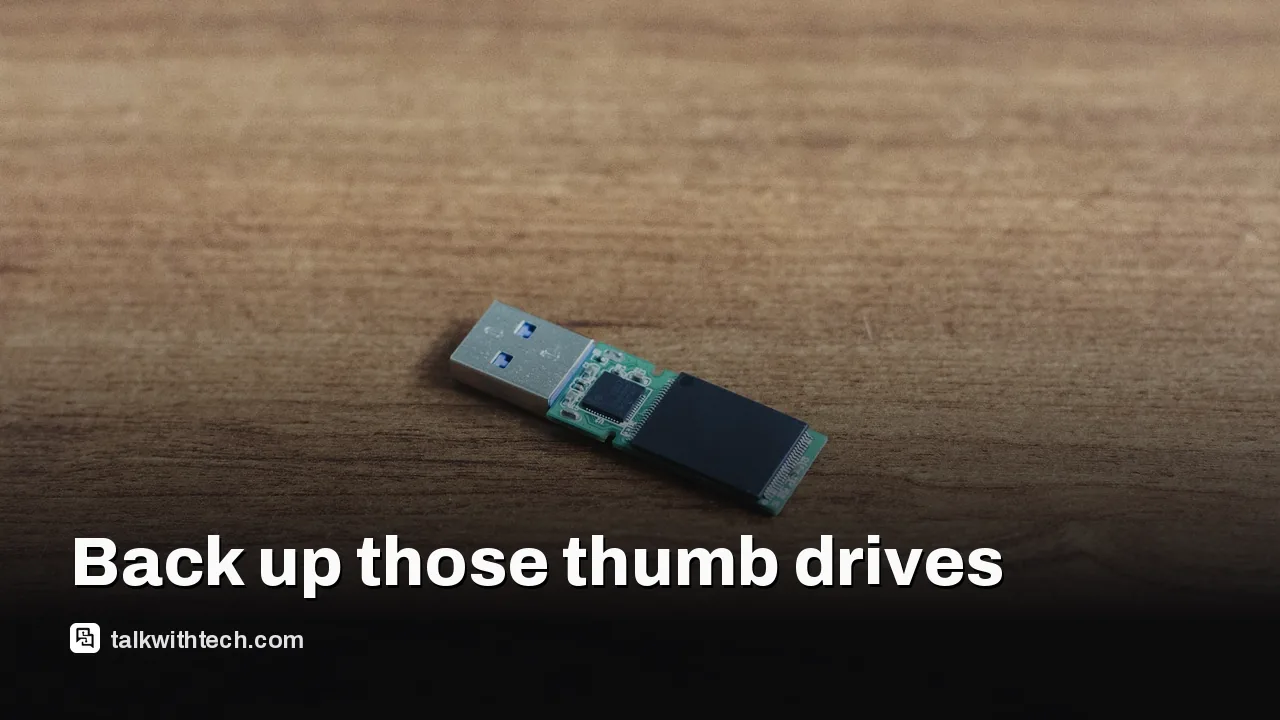
query: usb thumb drive on desk, alt: a small USB thumb drive on a desk with scattered papers, caption:
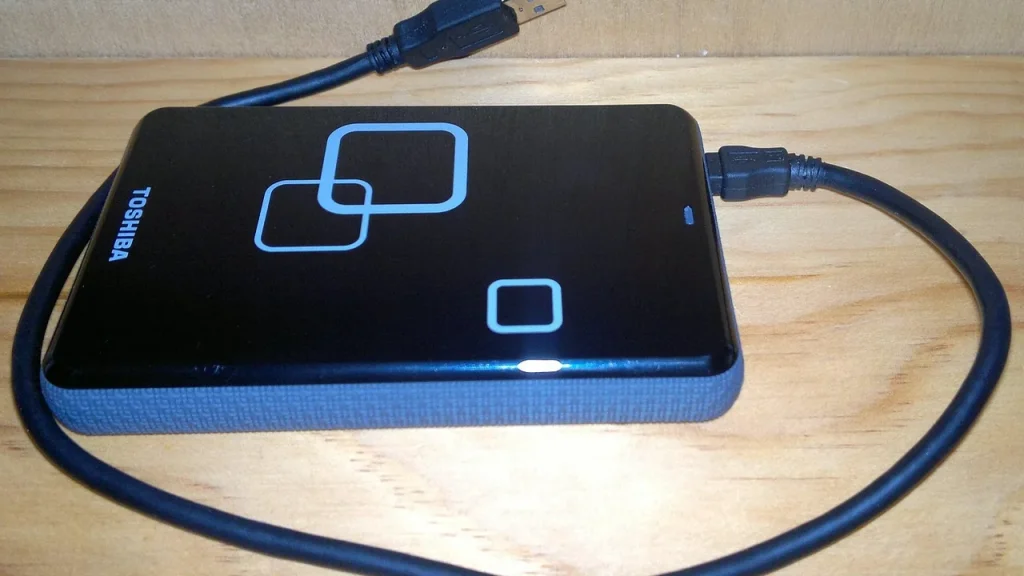
query: external hard drive with cables, alt: external USB drive connected to a computer, caption:
query: cloud storage concept, alt: hand holding a device showing cloud storage icon, caption:
A Canadian software engineer built a camera that tracks police vehicles using license plate data, drawing attention from local police and reigniting privacy debates around automatic license plate readers.
Daiichi Kosho says Nippon Columbia malware may have exposed personal data for up to 8.7 million customers and employees, though passwords were not affected.
Researchers say attackers used a four-word GitHub poem to steer compromised AI hosts to changing command centers, revealing a new way to monetize breached infrastructure.
3 min read
We use cookies to understand how readers use Talk With Tech, so we can make it better. Is that OK? Privacy policy
The Daily Brief
Today's biggest tech stories, in 5 minutes
Every morning, the news that matters from AI, phones, apps and the people shaping tech. Explained in plain English. Free.
One email a day. No spam, unsubscribe anytime. Privacy policy