Sharing a Grok credit card photo could expose your finances
Musk suggested using a photo of a credit card to let Grok find deals and buy items, sparking security concerns about sharing sensitive data with AI tools.
Musk suggested feeding a credit card photo into Grok to have the AI search for deals and place orders.
Security experts warn that sharing credit card images with AI tools can expose financial data and violate terms.
Grok’s own terms indicate data may be stored in the cloud and reviewed for financial transactions, which raises privacy concerns.
Quick read · 1 min
Elon Musk suggested feeding a photo of a credit card into Grok to let the AI shop for you. Security experts warn that sharing card images can expose sensitive data and violate service terms. For everyday users, the takeaway is simple: don’t upload card photos to AI chat tools. If you’ve already shared one, monitor your statements and contact your bank if you see anything unusual. This episode underscores the privacy tradeoffs that come with AI-assisted shopping; expect more questions about data handling as these tools become more common.
What to do now: review privacy policies, disable data sharing where possible, and rely on trusted apps for payments. Stay wary of prompts that ask for payment details.
Elon Musk sparked conversation on X by proposing a way to use Grok, the company’s AI helper, to shop online: simply take a picture of your credit card, drop it into the chat, and Grok will hunt for the best deal and place the order. The post quickly drew mixed reactions and a wave of caution from security and privacy advocates.
In the replies, a community note highlighted the risks: credit card details in prompts could be exposed, and Grok’s terms reportedly allow data and credentials to be stored in its cloud environment and reviewed for financial transactions. When asked whether this was safe, Grok reportedly said it was not a guaranteed safety measure, but it also advised against sharing an actual credit card photo. The responses ranged from memes to concerns about data misuse, with some readers joking about sharing more sensitive information than intended.
This isn’t just a Tate-pose moment for tech showmanship. It spotlights a broader issue: what exactly should you feed an AI assistant when it handles sensitive information? Companies often balance convenience with privacy, and the exact boundaries aren’t always crystal clear for users who want a quick, frictionless shopping experience.
For everyday users, the central question is simple: should you ever upload a photo of a payment card to an AI chat? The short answer is: probably not. Even if a service promises security, it’s risky to share card details in a chat interface, especially if you’re not certain how data is stored, processed, or accessed later. And if a prompt is stored in the cloud or used to improve AI models, your card data could linger beyond a single transaction.
To buy stuff, you can just take a picture of your credit card, drop it in the chat and Grok @Bot will scour the Internet for the best deal on the item you want and order it
What Musk posted was a suggestion about using Grok to automate shopping tasks. He did not present a formal product update or a guarantee that security was foolproof. The moment highlights a common tension: the allure of AI that can handle complex tasks quickly versus the real-world privacy and safety implications of sharing payment information with an AI assistant.
02
Why this matters to you
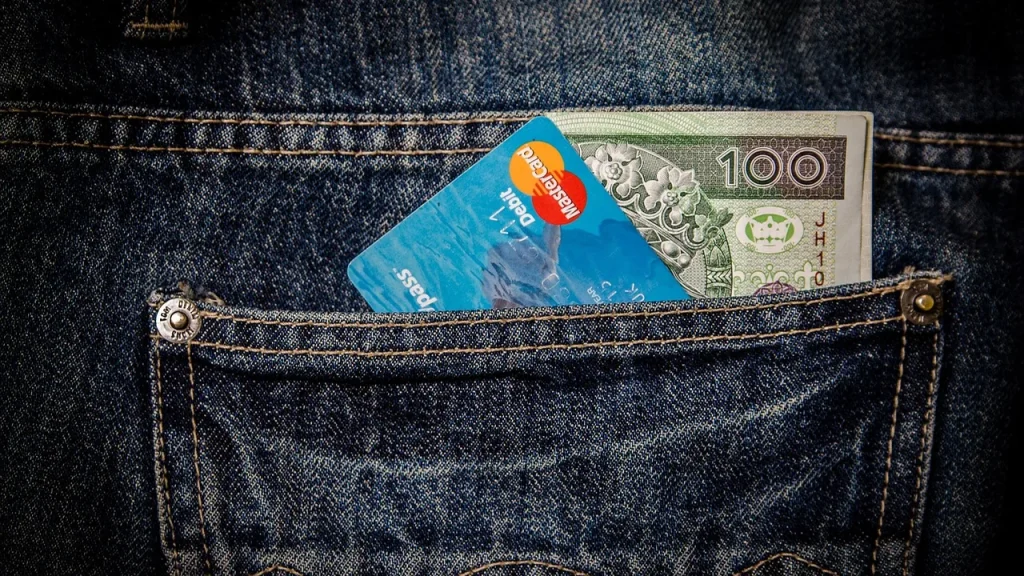
If you use AI assistants to manage money or make purchases, you should understand where your data goes. A photo of a credit card contains highly sensitive information, card number, expiration date, and often the cardholder’s name. Even without malicious intent, that data can be misused if it ends up stored or shared with third parties or used to train models. Review any service’s data policies before sharing payment details in prompts, chats, or other AI interactions.
03
Practical steps to stay safe
– Treat payment cards as sensitive inputs. Don’t upload images of your card to AI chat tools. Use official apps and secure sites that offer strong authentication instead.
– Check data policies. If you’re curious about a service’s handling of prompts and uploaded data, read the privacy policy and terms for references to data storage and training.
– Use built-in controls. Many platforms let you disable data sharing for AI prompts or limit how prompts are stored. Turn these on if you don’t want inputs saved long-term.
– Monitor statements. If you accidentally share card details, review your recent statements for unfamiliar charges and flag anything unusual with your bank or card issuer promptly.
04
What happens next
The episode serves as a reminder that convenience features introduced by AI tools come with privacy tradeoffs. As AI assistants become more integrated into shopping and money-related tasks, expect more questions about what is safe to share, and which features are fully vetted for handling payment data.
Will Grok or any AI assistant accept a photo of my card?
Many AI chat tools discourage or restrict sharing actual card images, and policies vary by service. Always check the terms and avoid transmitting sensitive payment data in prompts.
What should I do if I already shared a card image?
Review recent transactions, monitor statements for unfamiliar charges, and contact your bank if you see anything suspicious. Consider tightening privacy settings on the AI service and removing stored data if possible.