Friday, 30 October 2026

How to check if your Trezor is tampered, and what to do next

A spy board was reported inside a Trezor Safe 5. Trezor says you can't reliably spot one yourself, so the real test is where your wallet came from.

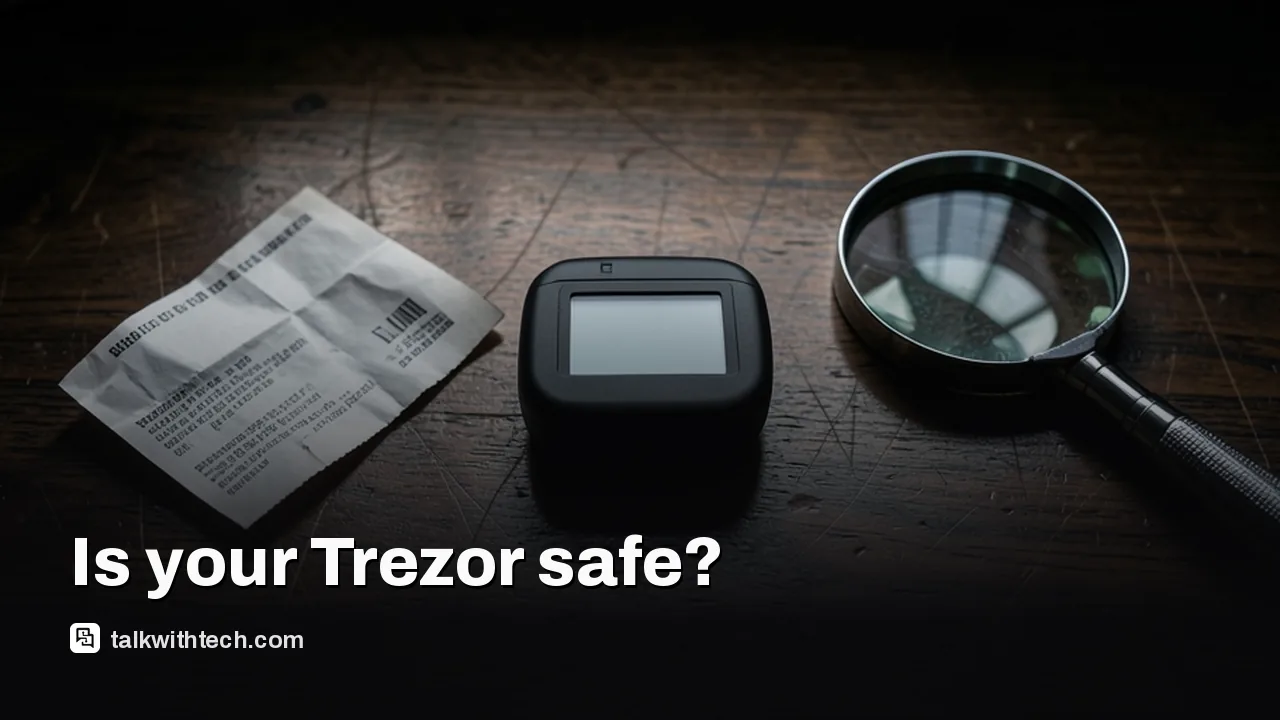
A small hardware wallet beside a receipt and a magnifying glass

The short version

  • A customer in Indonesia reported an extra circuit board with a cellular modem inside a Trezor Safe 5 bought from reseller CryptoBilis.
  • Trezor says owners can't reliably check a device themselves and should not open or weigh it.
  • Anyone who bought a Trezor from CryptoBilis since March 2026 is told to move funds to a new wallet with a new recovery phrase.
  • Trezor will replace affected devices, and it has no reports involving any other reseller so far.
Quick read · 1 min

A customer in Indonesia reported a hidden circuit board with a cellular modem inside a Trezor Safe 5 bought from the reseller CryptoBilis. It reportedly reads the recovery phrase off the screen and sends it out when the wallet is plugged in. Trezor hasn't examined the device yet but is treating the report as credible.

The catch: Trezor says you can't reliably check a wallet yourself, and you shouldn't open or weigh it. Its software checks look for fake firmware, which this kind of board doesn't change. The real check is your receipt.

  • Bought from CryptoBilis since March 2026? Move funds to a new wallet with a new phrase.
  • Keep the device and contact Trezor Support for a replacement.
  • Buy only from the maker or an authorized reseller.

Want to know how to check if your Trezor is tampered? The honest answer from Trezor itself is surprising: you can’t, at least not reliably. After a customer reported a hidden circuit board with its own mobile modem inside a Trezor Safe 5, the company told owners not to open or weigh their devices, and to check something simpler instead: who sold it to them.

That matters because the reported board was built to steal the one thing a hardware wallet exists to protect, the recovery phrase. With those words, a thief can rebuild your wallet on another device and empty it without ever touching yours. So far the problem is tied to a single reseller, CryptoBilis, but the steps below apply to anyone who owns a hardware wallet.

01

How to check if your Trezor is tampered: start with the receipt

The most useful check takes a minute. Find your receipt or order confirmation and look at the seller’s name.

  1. Bought from CryptoBilis since March 2026? Treat the device as unsafe, whichever Trezor model it is. That includes devices CryptoBilis supplied to other shops, such as its store on the Tokopedia marketplace.
  2. Bought straight from Trezor or a listed authorized reseller? Trezor has no reports involving any other seller as of October 30.
  3. Not sure where it came from? Contact Trezor Support with whatever proof of purchase you have and ask.
  4. Bought used, or through a social media seller? Be extra careful. Security researcher Joe Grand says he warned Trezor in August about tampered Trezor One and Model T wallets sold by unauthorized sellers on TikTok and Facebook.

Why opening or weighing it won’t help

The customer who found the board did notice a weight difference. Trezor still says weighing isn’t reliable, because small differences can have ordinary causes, and opening a wallet can damage it without proving anything. There’s another catch. Trezor’s setup checks look for fake devices and modified firmware, the software inside the wallet. An implant that simply reads the screen doesn’t change the firmware, so those checks wouldn’t flag it. A spokesperson also admitted that seals and packaging aren’t enough protection on their own.

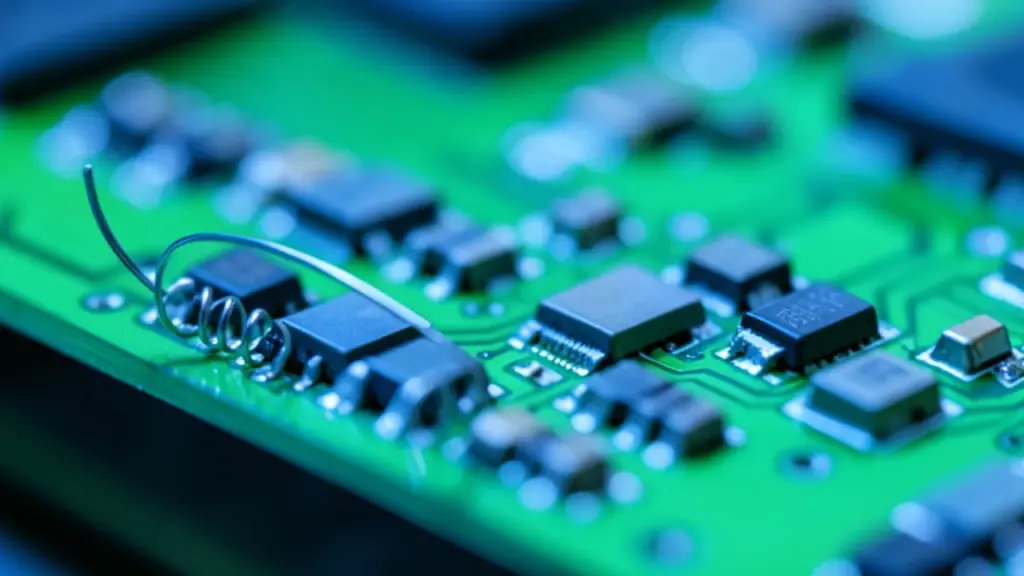
Close view of a small circuit board with an antenna wire
02

What the reported implant does

The extra board was wedged under the Safe 5’s display, above the main board, and carried its own antenna plus a cellular module. According to the report, it reads whatever the screen shows, including the recovery phrase Trezor calls the wallet backup, and sends it out over a mobile network whenever the wallet is plugged in.

The customer, based in Indonesia, bought the wallet from CryptoBilis in August through Tokopedia and reported it on October 28. He had already moved his money off it before he found the board. Trezor has seen his photos and interviewed him on a video call, but hasn’t examined the device in its lab yet.

Trezor’s chief commercial officer, Danny Sanders, explained why it warned people before confirming: the company would rather speak up now than learn later that someone lost funds while it waited. No CryptoBilis buyer has reported a loss to Trezor, though the company can’t see what’s in customers’ wallets.
03

The Ledger case that came first

This didn’t come out of nowhere. On October 9, Trezor cut ties with CryptoBilis, which had been its official seller across Southeast Asia, once rival maker Ledger began looking into losses among its own CryptoBilis customers. Ledger then confirmed a hardware implant in one device.

Ledger’s security team described a component that read the 24-word recovery phrase from the screen during setup and sent it over LTE using a built-in eSIM, without touching the wallet’s secure chip or its operating system. Onchain investigators estimate the related thefts at more than $86 million, and one analytics firm puts them at $93.2 million. Ledger hasn’t confirmed a total.

Trezor says the Safe 5 board appears to work the same way but won’t compare the two cases while both investigations run. Since cutting ties with CryptoBilis, it has inspected four of its devices bought from the reseller and found no tampering on any of them.

A sealed parcel left on a doorstep
04

What this means if you live in the US, UK or Canada

CryptoBilis sold in Southeast Asia, so most readers in North America and Britain aren’t directly affected. The lesson travels, though. The weak point here isn’t the wallet’s design. It’s the journey between the factory and you. A separate case showed that this isn’t only an Asian problem: Mark Karpeles, who once ran the Mt. Gox exchange, says a Ledger Nano X he picked up at a MediaMarkt store in Germany had a spying implant inside.

Practical rules that cut your risk:

  • Buy direct from the maker’s own store or an authorized reseller it lists, never from marketplace sellers, social media or used listings.
  • Never use a recovery phrase that came with the device. A genuine wallet creates a new one for you during setup.
  • Never type your existing phrase into a new or suspect device, and never share it with anyone. Trezor Support will never ask for it.
  • Expect scams. Trezor warns that criminals will use this news for fake emails, letters and phone calls.
05

What to do if you bought from CryptoBilis

Trezor’s instructions depend on whether you’ve started using the device:

  1. Already using it: move your funds to a brand-new wallet with a brand-new recovery phrase as soon as you can. Restoring your old phrase on a different device doesn’t help, because a tampered wallet may already have sent it out.
  2. No other hardware wallet? Trezor suggests moving funds for now to a software wallet or an exchange you already know.
  3. Not set up yet: don’t set it up, and never enter an existing phrase on it.
  4. Keep the device and contact Trezor Support. It will send a new wallet or a voucher covering the cost of one.
06

Quick answers

Can Trezor Suite tell if my device has an implant?

Not this kind. Trezor’s setup checks target counterfeit devices and altered firmware, and a screen-reading board leaves the firmware unchanged.

Is my Trezor safe if I bought it from the official store?

Trezor has no reports involving any seller other than CryptoBilis so far. Keep following the basic phrase rules either way.

Will Trezor replace a CryptoBilis wallet?

Yes. Keep the device and contact Trezor Support for a new wallet or a voucher.

You're reading the quick version.