Friday, 30 October 2026

UGREEN DXP8800 Ultra boosts RAM to 96GB for AI and VMs

Same eight-bay box, newer Intel chip and room for 96GB of memory. Testing shows the Ultra is quicker, but at $570 over the Plus the case for it is narrow.

Aluminum NAS chassis with multiple drive bays

The short version

  • The UGREEN NASync DXP8800 Ultra costs $1,779.99 and has been on sale since September 2026, with no Kickstarter.
  • It keeps the Plus model's eight-bay chassis but swaps in an Intel Core 7 150U and raises the memory limit to 96GB.
  • Testing found it modestly faster as a computer, with no gain for plain file serving because 10GbE is the bottleneck.
  • It makes sense for virtual machines, containers and local AI; for backups and streaming the cheaper Plus is the smarter buy.
Quick read · 1 min

The UGREEN NASync DXP8800 Ultra is the new top model in UGREEN's home and small-office storage range. It costs $1,779.99 and has been on sale since September 2026, with no crowdfunding.

It looks exactly like the older DXP8800 Plus, with eight drive bays, two 10GbE ports and two Thunderbolt 4 ports. The changes are inside: a newer Intel Core 7 150U chip and support for up to 96GB of memory instead of 64GB.

  • Testing found it modestly faster as a computer, but no quicker at plain file sharing.
  • It ships with only 8GB of memory, and filling it to 96GB is very costly in 2026.
  • The Plus now sells for $1,207.99, which is $570 less.

Buy the Ultra if you run virtual machines, containers or local AI. For backups and streaming, the Plus is the better deal.

UGREEN has changed the engine, not the car. The NASync DXP8800 Ultra looks identical to the DXP8800 Plus, right down to its 365 x 258 x 189mm aluminum case, but it costs $570 more than the older model sells for today, and every bit of that difference is hidden inside.

That matters if you are choosing a network attached storage box, or NAS, the always-on drive enclosure that holds a home’s or small office’s files, backups and media. Pay for the Ultra and you get headroom for heavy jobs like virtual machines and AI tools. Skip it and the Plus does almost everything else for far less.

01

What’s new in the UGREEN DXP8800 Ultra

The UGREEN DXP8800 Ultra has two real upgrades: a newer processor and a much higher memory ceiling. UGREEN swapped the Plus’s Intel Core i5-1235U for a Core 7 150U and raised the RAM limit from 64GB to 96GB. The company introduced it alongside a six-bay DXP6800 Ultra at IFA 2026 in September.

Both chips have ten cores and twelve threads, so don’t expect a huge leap in raw muscle. The difference is generation and speed. The 150U boosts to 5.4GHz against 4.4GHz for the older chip, and its built-in graphics get stronger, which helps when the box converts video for Plex or Jellyfin on the fly.

Everything else carries over:

  • Storage: eight SATA drive bays plus two M.2 slots for SSDs, up to 272TB using 32TB hard drives and 8TB SSDs.
  • Networking: two 10GbE ports, each about ten times faster than the gigabit Ethernet in most homes.
  • Connections: two Thunderbolt 4 ports for fast direct links to a computer, an 8K-capable HDMI output and an SD card reader.
  • Expansion: a PCIe Gen 4 x4 slot, enough for a faster network card or a small graphics card that runs off slot power.

Power use is unchanged too. UGREEN quotes 70.39W with drives active and 28.99W in hibernation for both models.

Row of NAS devices in a data center rack
02

How much faster is the Ultra than the Plus?

For plain file sharing, it isn’t. The 10GbE ports are the bottleneck, not the processor. Even on the Plus, serving files over both ports barely taxed the chip, and the Ultra has even more to spare.

The gains show up when the NAS does more than store files. Containers, virtual machines, search indexing, photo thumbnails and encrypted transfers all lean on the processor and memory. Testing found a clear but modest step up overall, with the biggest advantage in lightly threaded jobs.

The Ultra also ships with faster 5600MHz memory from Samsung, where the Plus used 4800MHz. That gives a small bandwidth boost, though you need to think about speed matching if you add a second stick.

03

The 96GB memory catch

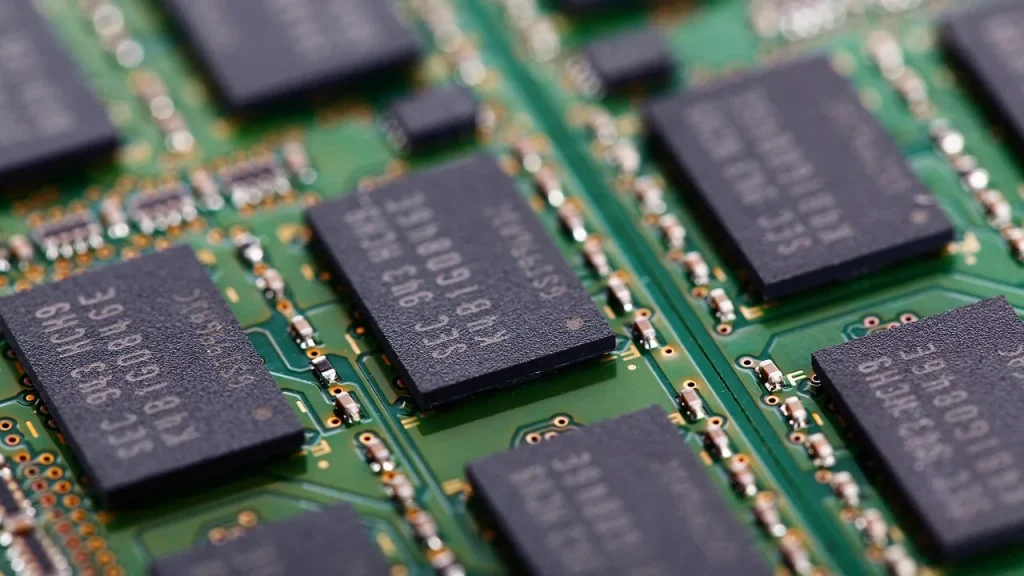
The headline 96GB figure comes with an expensive asterisk. The Ultra ships with just one 8GB stick, leaving one of its two memory slots free. Reaching 96GB means fitting a pair of large modules, and at 2026 memory prices that gets expensive fast.

Memory prices have climbed sharply in 2026. When the Plus was reviewed, a 32GB module cost about $90. Now even a lesser-known brand’s 32GB kit is at least $320. Filling the Ultra to the top would cost almost as much as the NAS itself, so most owners will never get close.

There’s a second gap that matters for businesses. Neither processor supports ECC memory, the error-checking RAM many companies insist on for servers that hold important data.

RAM modules and memory sticks for upgrading a NAS
04

UGREEN DXP8800 Ultra price and availability in the US, Europe and UK

The Ultra costs $1,779.99 in the US, direct from UGREEN or through Amazon and Newegg. It has been on sale since September 2026, and unlike the Plus it skipped Kickstarter entirely. In Europe the price is €1,779.99, about 11% more than the US price once you account for exchange rates. It was not stocked in the UK when reviewed, though UGREEN suggested that could change soon. No Canadian price has been given.

The comparison that hurts is the Plus. It launched at $1,499.99, Kickstarter backers paid as little as $974, and it now sells for $1,207.99. That is the $570 gap for a machine with the same bays and ports.

Against rivals, the Ultra looks better. Synology’s DS1823xs+ cost $1,800 when the Plus launched, with much less processing power and no Thunderbolt, and Synology has largely stepped back from this market.

05

What it means for your home or office setup

Here is a simple way to decide. If your NAS mostly backs up phones and laptops and streams movies, the Plus does the job just as well and saves you hundreds of dollars. If you run several virtual machines, a stack of Docker containers, or local AI models, the Ultra’s faster chip and memory room will earn their keep.

The software is the same either way. Both run UGOS Pro, which has matured into a clean system built around Docker and virtual machines. It added two-factor sign-in and jumbo frames, which help get the most from 10GbE, and its mobile app does nearly everything the web version can. It still lacks a mixed-drive RAID mode, so drives of unequal sizes waste the difference. It also has no ZFS option and no WORM volumes, the write-once storage that ransomware can’t alter.

UGREEN also lets you install a third-party operating system without voiding the hardware warranty on its own. If you plan to use Unraid, check its license tiers first, because the cheapest one won’t cover every bay and slot in this box.

06

Quick answers

What is the difference between the DXP8800 Ultra and Plus?

The Ultra has an Intel Core 7 150U instead of a Core i5-1235U and supports 96GB of memory instead of 64GB. The case, bays, ports and power use are the same.

Is the DXP8800 Ultra worth it?

Only if you will use the extra power for virtual machines, containers or AI. For file storage and media streaming, the cheaper Plus performs almost the same.

Can I buy the DXP8800 Ultra in the UK?

It was not stocked in the UK at review time, though UGREEN indicated that could change. It is sold in the US and Europe.

You're reading the quick version.