Uber Lucid robotaxi San Francisco: when you can ride, and where
The safety drivers are gone from Uber's Lucid Gravity robotaxis, but the first tests skip San Francisco itself, and public rides wait until early 2027.
Uber, Nuro and Lucid have started testing their Lucid Gravity robotaxi with nobody in the driver's seat on Bay Area public roads.
The first driverless tests run in Sunnyvale, Los Altos, Palo Alto and Mountain View, not in San Francisco itself.
Uber employees ride first, and public rides through the Uber app are planned for the first quarter of 2027.
Over the coming years, Uber has agreed to purchase no fewer than 35,000 Lucid cars running Nuro self-driving software.
Quick read · 2 min
Uber, Nuro and Lucid have taken the safety drivers out of their Lucid Gravity robotaxis and started fully driverless testing on Bay Area public roads. The first test zone covers Sunnyvale, Los Altos, Palo Alto and Mountain View, so San Francisco itself isn't included yet, and more Bay Area cities follow next year.
You can't ride one today. Uber employees get rides first, and the public launch through the Uber app is planned for the first quarter of 2027, with Houston later in 2027. That's a small slip from the original late-2026 target.
The SUV seats up to six, versus four in Waymo and Zoox cars.
Lucid has delivered more than 100 test vehicles for this phase.
Uber plans to purchase no fewer than 35,000 Nuro-equipped Lucid cars.
The move comes a week after California banned Waymo robotaxis from freeways, so safety scrutiny will be intense when rides open next year.
The Uber Lucid robotaxi just lost its human backup. Uber, self-driving startup Nuro and carmaker Lucid said on Tuesday that their Lucid Gravity SUVs are now driving on public roads in the San Francisco Bay Area with nobody behind the wheel. If you were hoping to hail one tonight, though, you can’t. The cars are carrying no paying riders yet, and the first test streets aren’t even in San Francisco.
So when can you actually ride one, and where? The short answer: Uber employees go first, “soon” in the companies’ words, and the public launch is planned for the first quarter of 2027, booked through the regular Uber app. For Bay Area residents that means one more robotaxi option next to Waymo and Zoox, and for Uber it’s the biggest test yet of a plan that hinges on other companies building the cars and the software.
01
Where the Uber Lucid robotaxi is driving right now
The driverless tests start in four South Bay cities: Sunnyvale, Los Altos, Palo Alto and Mountain View. The companies say the testing area will grow to more Bay Area cities next year. San Francisco proper, where Waymo already sells rides, is not on the opening list.
That detail matters if you searched for an Uber Lucid robotaxi in San Francisco. The phrase “San Francisco Bay Area” in the announcement covers a huge region, and right now the cars without safety drivers are working the Peninsula and South Bay suburbs around the big tech campuses.
Lucid says more than 100 Gravity SUVs, refreshed with new hardware and software, are now in the fleet for this phase, up from 75 engineering vehicles on the road earlier this year. It isn’t clear whether every one of those cars is part of the first driverless rollout.
02
When can the public book a ride?
Public rides are scheduled for the first quarter of 2027 in the Bay Area. You’ll summon them inside the Uber app, which is the only place these cars will be offered. Uber and its fleet partners will own and run the vehicles, while Uber designs the in-cabin experience and handles rider support and controls.
Here’s how the rollout stacks up, step by step:
Since December 2025: Nuro has run round-the-clock testing in the Bay Area and Houston, with a safety driver ready to take over.
April: Uber employees began supervised test rides in San Francisco.
Now: fully driverless testing on public roads in four South Bay cities.
Soon: driverless rides for employees.
First quarter of 2027: public launch in the Bay Area through the Uber app.
Later in 2027: Houston is next.
One small warning sign: the launch has already slipped. The partnership originally aimed to start service in late 2026, and early 2027 is the new target. The sources also differ slightly on Houston, with one saying mid-2027 and others saying later in the year, so treat that date as loose.
03
What makes this robotaxi different from Waymo and Zoox
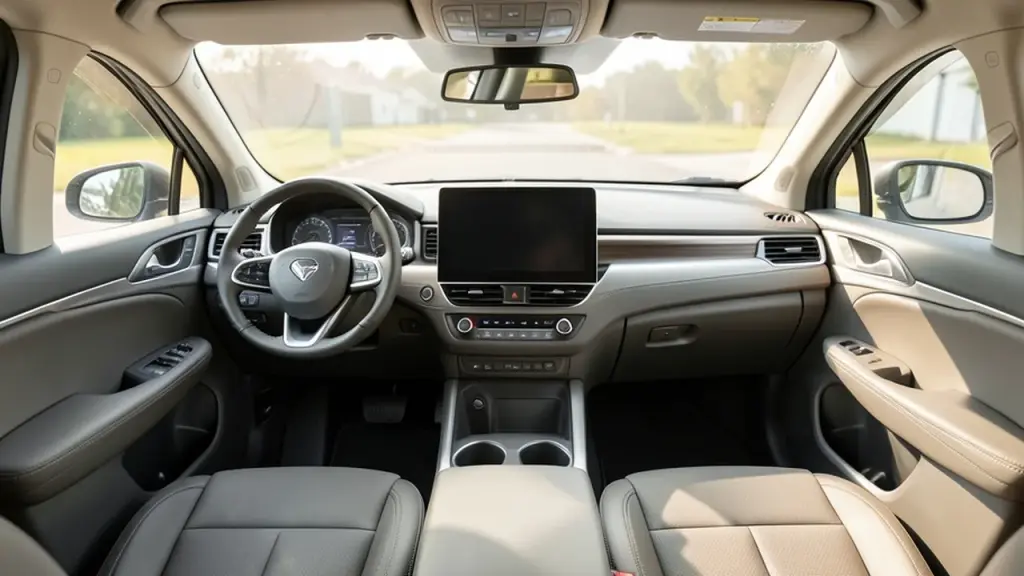
Size is the most obvious difference. The Lucid Gravity robotaxi seats up to six passengers, while Waymo and Zoox rides take up to four. There’s generous legroom and room for luggage in the back, which could make it the pick for airport runs or group trips once it opens up.
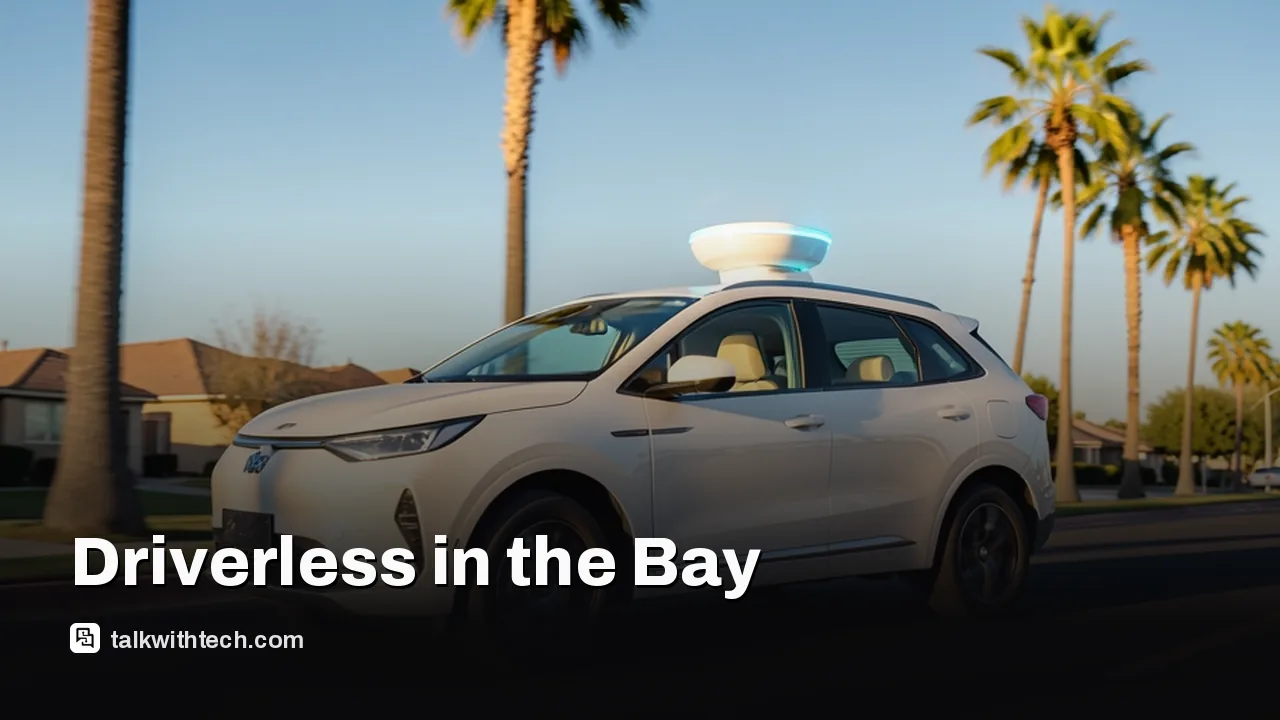
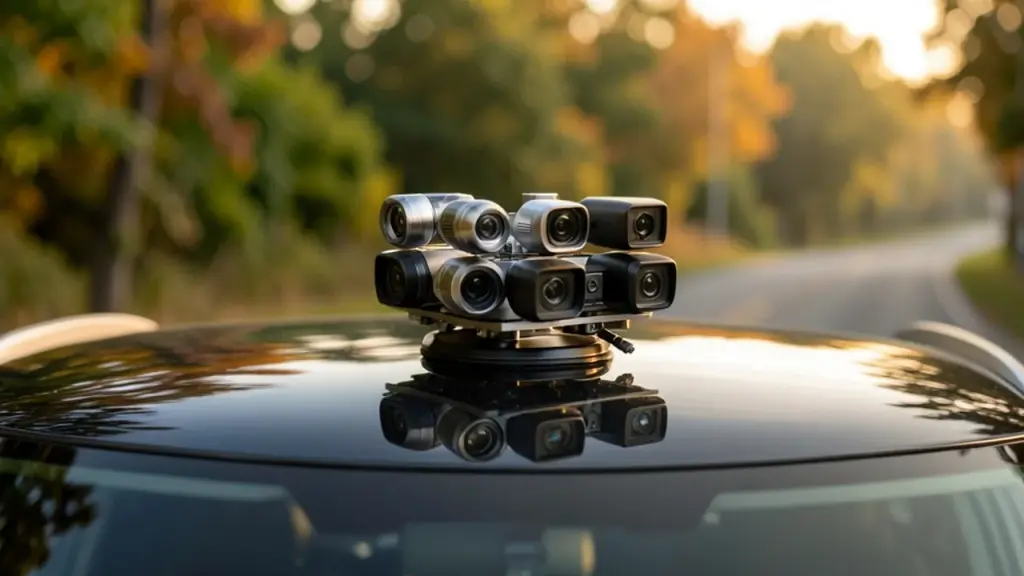
The car sees the road with a mix of cameras, solid-state lidar (a laser sensor that builds a 3D map of what’s around it) and radar. All of that feeds the Nuro Driver, which Nuro describes as a Level 4 system, meaning it can handle all of the driving on its own within an approved area. On the roof sits an LED “halo” ring that flashes the rider’s initials and pickup status, so you can spot your car at the curb without squinting at plate numbers.
The other big difference is the business model. Waymo builds its own service and app. Uber doesn’t make cars or self-driving software anymore, after dropping its own troubled in-house effort years ago. Instead it partners with lots of companies, including Waymo, Zoox, Avride, Wayve and May Mobility, and puts their vehicles inside one app most people already have on their phone.
04
How Nuro decided it was safe to pull the driver
Nuro says a safety case framework made the call, combining on-road miles, large-scale computer simulation and closed-course testing at its facility in Las Vegas. On that private track the cars ran with nobody on board through risky situations, such as pedestrians stepping out and other drivers ignoring right of way.
The paperwork is in place too. Earlier this year Nuro got a California Public Utilities Commission permit for passenger rides with a safety driver, and a California DMV permit for testing with no driver at all. Nuro is one of six companies holding that DMV driverless testing permit.
Nuro’s Tilo Schwarz noted that running without a driver isn’t new for the company, but called this step “an exciting first” because this time the car is built to carry passengers.
For now, mostly that you may spot a large SUV with an empty driver’s seat and a glowing ring on its roof around Palo Alto or Mountain View. You can’t flag it down or book it yet.
Once public rides begin, Bay Area riders will have a third robotaxi brand alongside Waymo and Zoox, and the first one that lives entirely inside the Uber app. None of the companies has shared ride prices yet.
The timing is awkward. Self-driving cars are under more scrutiny than ever. Last week the California DMV banned Waymo’s robotaxis from state freeways after a string of high-profile incidents, and Waymo paused all of its freeway rides. Federal safety regulators have also opened investigations into other robotaxi companies over the years, including Zoox and Tesla. The Uber, Nuro and Lucid team is stepping into that spotlight right as it removes the person who could grab the wheel.
06
The bigger bet: 35,000 cars
This isn’t a small pilot. Over the coming years, Uber has agreed to purchase no fewer than 35,000 Nuro-equipped Lucid vehicles, including Lucid’s upcoming midsize model, and wants to take the service to dozens of cities worldwide.
Lucid started building pre-production robotaxis in October to clear safety approvals and says it will begin making the cars for the commercial launch fleet in the coming weeks. Samarth Kejriwal, who leads autonomous mobility at Uber, called pulling the safety operator “an important milestone” for the three partners.
Meanwhile, the relationship between Uber and its rivals keeps shifting. Waymo has ended its Uber exclusivity in Austin and Atlanta, which makes a fleet Uber controls more important to its plans.
07
Quick answers
Can I ride an Uber Lucid robotaxi in San Francisco today?
No. Only testing is happening, in Sunnyvale, Los Altos, Palo Alto and Mountain View, with employee rides coming first. Public rides are planned for the first quarter of 2027.
How do I book one when it launches?
Through the Uber app. The companies say the vehicles will only be available on Uber.
How many people fit in the Lucid Gravity robotaxi?
Up to six passengers, compared with up to four in Waymo and Zoox vehicles, and there’s space for luggage in the back.
Capita's boss is out and its shares have collapsed, but civil servants still waiting on payments care about one thing: the backlog, the broken portal and the help available.
Micron jumped 19% on Monday after a brutal Friday. Nvidia's leadership reversal and a Citi demand estimate did the work, but the memory maker's old risks have not gone away.