High gas prices push buyers into a tight used hybrids market
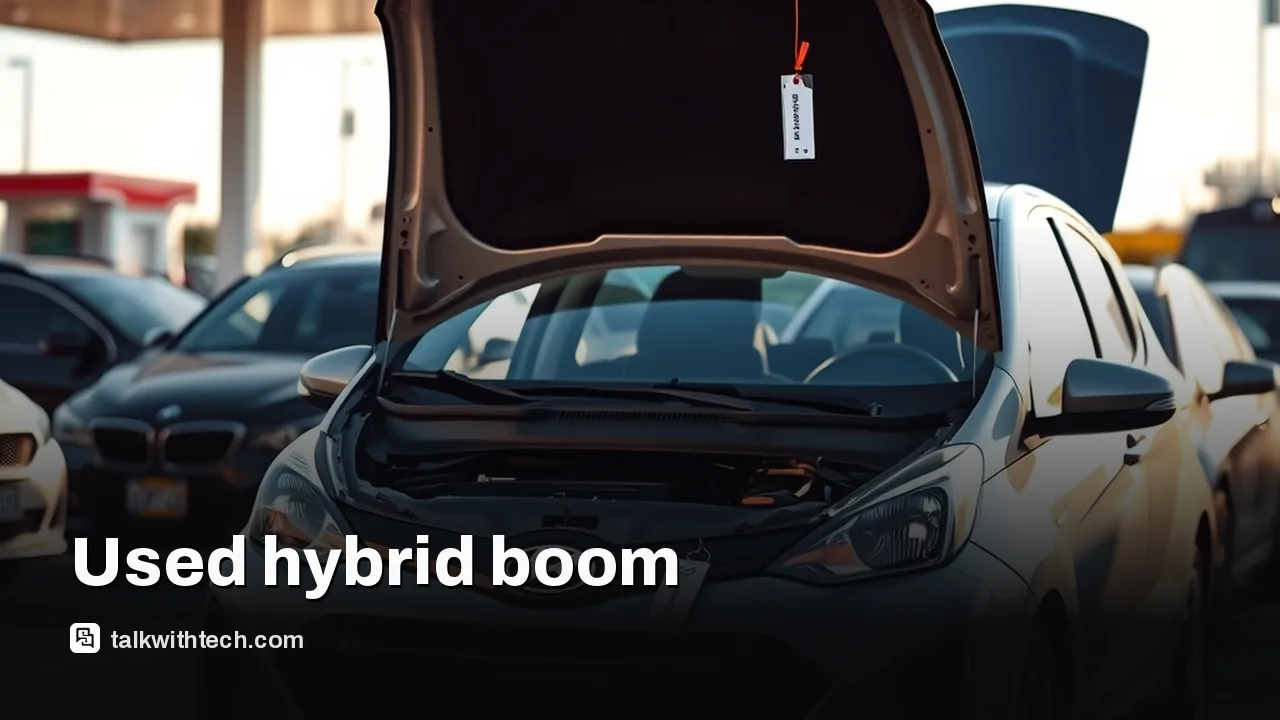
Used hybrids are selling for more than new cars in some markets as demand outpaces supply, fueled by higher gas prices and a shift away from traditional gas motors.
Used hybrid prices are rising, with some listings above brand-new prices according to CarGurus data.
Hybrid sales are up 29% in Q3 2026, and hybrids make up about one in six new US car sales.
Gas prices are high, with an average national gallon price around $4.40 and California averaging over $6 per gallon, influencing buyer choices.
Quick read · 1 min
Used hybrids are sometimes priced higher than new models, due to strong demand and limited supply. In Q3 2026, hybrid sales rose 29% for Toyota and more than doubled for Kia, with one in six new US cars now a hybrid. Gas prices remain high, nudging buyers toward efficient options.
For everyday readers: a hybrid might save you fuel money, but you should compare the total cost of ownership, including possible battery or repair costs. If you’re shopping, look at multiple models, check the vehicle history, and run the numbers on your own gas bills.
Consider how many miles you drive each month
Factor in maintenance history and battery health
Compare local gas prices with the car’s fuel economy
The so-called hybrid hype has hit the used-car market in a big way. Data shows that some used hybrid models are listing for more than brand-new versions, a reversal that echoes the quirks of the pandemic-era supply crunch. In practical terms, a few months old hybrid can fetch $3,000 to $6,000 above the same model new at the dealer, according to CarGurus. It’s a sign of how strong demand for fuel-efficient vehicles remains in the U.S.
What’s driving this? A combination of high fuel costs and a broader shift away from pure gas cars. In the third quarter of 2026, Toyota reported a 29 percent rise in its hybrid sales, while Kia said its hybrids more than doubled. Industry watchers say the hybrid segment is becoming the default for many buyers who still want variety in body styles, three-row SUVs, pickups, minivans, and even luxury cars, without sacrificing fuel economy.
On the supply side, automakers promised more hybrids and, in many cases, less emphasis on purely gas-powered models. This fuels the perception that hybrids are becoming the practical middle ground between traditional gas cars and full electrics, a balance several buyers still find appealing given charging infrastructure and sticker prices for BEVs.
01
How this changes the deal for buyers
For shoppers, the shift means you may see hybrid models maintain or even gain value after you drive off the lot. The pattern looks similar to earlier supply shocks where scarcity boosted prices for the used versions of popular new models. A broader portion of new-car buyers is likely to consider hybrids, which could mean more competition and higher prices in certain used segments.
02
What buyers should consider when shopping used hybrids
First, compare fuel costs against the price premium. If your daily miles matter, a hybrid can still pay off, but you’ll want to run the numbers for your own driving pattern. Check maintenance histories, as hybrid batteries tend to be long-lasting, but replacement costs can be steep if something goes wrong. And remember, not all hybrids are created equal, some models lean toward efficiency, others toward space or performance.
03
What this means for the broader car market
Manufacturers are signaling a pivot toward hybrids as a bridge to electrification. With new-car demand still volatile, hybrids offer a more predictable path for automakers and dealers, which in turn affects inventory and pricing in both new and used lots.
04
What happens next
If you’re in the U.S. and in the market for a vehicle, expect continued hybrid availability paired with a tricky price dynamic in the near term. Watch the market data from CarGurus and similar sites, and run your own break-even calculations based on local gas prices and your commute. The next few quarters will tell us whether this used-hybrid premium sticks or eases as more models enter the market.
Why are used hybrids more expensive than new ones?
Demand for fuel efficiency and limited new-car inventory are pushing some buyers toward the used market, sometimes driving up prices above new-car sticker prices on certain models.
Will hybrids replace gas cars entirely?
That’s unlikely in the near term. Hybrids are increasingly common, but many buyers still consider plug-in hybrids or fully electric vehicles for longer-range needs and charging convenience.