Friday, 9 October 2026

Remote pilot in command starts guiding Dallas drone deliveries

As drone fleets expand, a new job title emerges to manage the traffic above our heads and keep deliveries safe.

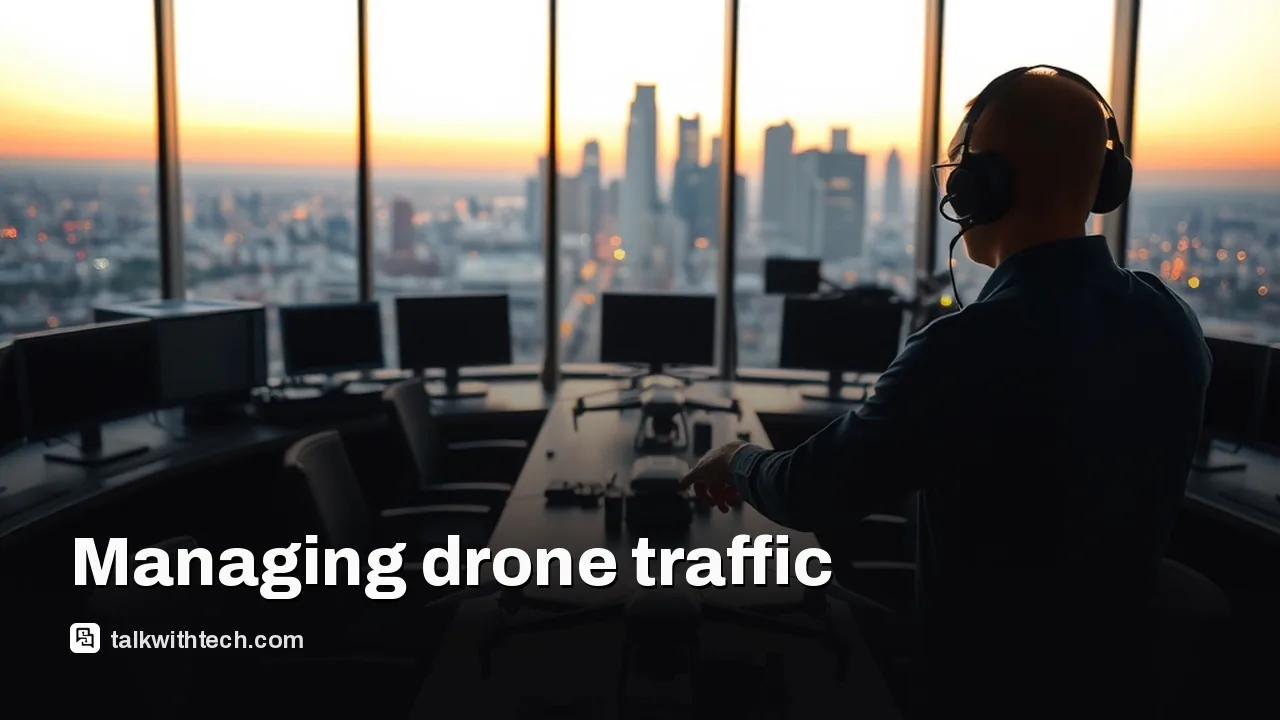
Operator backsight over tabletop model of drones and city skyline at dusk

The short version

  • A new job title, remote pilot in command (RPIC), coordinates delivery drones in urban areas.
  • Dallas–Fort Worth area serves as a testing ground for unmanned aircraft systems traffic management (UTM).
  • RPICs monitor drone fleets from operations centers using GPS, lasers, and sensors to prevent collisions.
  • The role blends aviation experience with automation, requiring FAA-certified drone pilots and FAA-approved training.
Quick read · 2 min

Delivery drones are moving toward everyday use, with a new role emerging to manage how they fly in cities. In Dallas, Trevor Wischnewsky works as a remote pilot in command, overseeing fleets from an operations center using GPS, lasers and sensors to keep flights safe. Dallas–Fort Worth is a key testing ground for unmanned aircraft systems traffic management, or UTM, a system that helps drones share airspace without collisions.

For you, that could mean quicker deliveries and fewer delays, plus a stronger safety net if weather or wind challenges pop up. As drone networks grow, more cities will test UTM and more companies will hire RPICs to supervise flights. Here’s what to watch next: more pilots with FAA credentials, more data-sharing between drone operators, and closer eyes from regulators on how this all works in real neighborhoods.

  • More cities will test drone traffic management
  • RPICs will become a common job in drone logistics
  • Regulators will continue shaping safety and privacy rules
The idea of a drone delivering your groceries or a hot pizza is stepping closer to everyday reality in parts of the United States. In Dallas, a new kind of air traffic controller has emerged, trained to manage fleets of delivery drones instead of airplanes. Trevor Wischnewsky is one such professional, working as a remote pilot in command, or RPIC, for a company called FlyTrex.

An RPIC isn’t piloting the drone directly. Instead, they oversee the delivery process from a centralized operations center, relying on data from GPS, lasers, and a suite of sensors to ensure every flight path is safe and efficient. The Dallas–Fort Worth region is a testing ground for unmanned aircraft systems traffic management, or UTM, a network that lets multiple drone operators share location data in real time to avoid collisions beyond the drone’s line of sight.

01

What makes an RPIC different from a traditional drone operator

Think of an RPIC as a kind of air traffic controller for drones. They monitor several drones at once and step in if something looks off, weather, wind gusts, or a sudden obstacle could require a change in a planned route. Wischnewsky notes that, at peak moments, he can be keeping tabs on as many as 10 drones simultaneously, acting as a safety net so automatic systems don’t go off course.

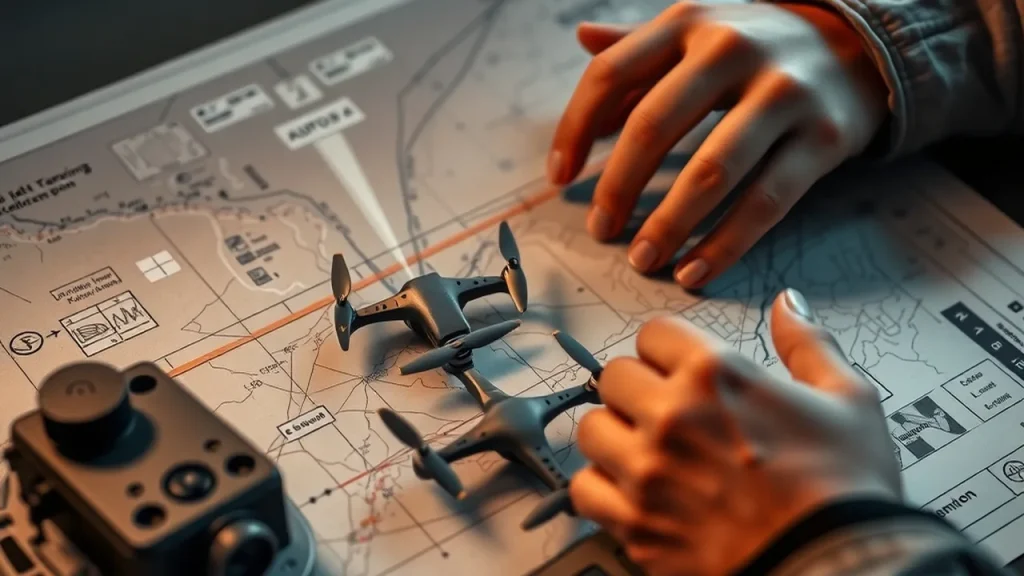
Hands adjusting flight board with model drones and laser rangefinder
02

Why Dallas is a proving ground for drone traffic management

Dallas isn’t just playing around with cool tech. It’s a real testing ground for UTM, a key piece of the infrastructure that would let drone fleets operate reliably in busy skies. As drone deliveries become more common, cities will need a scalable way to route dozens or hundreds of drones at once without human controllers watching every flight.

03

What this means for ordinary people

For someone ordering a delivery, the immediate impact is simple: if the system works, your package can arrive more quickly and with fewer weather delays or route detours. The bigger story is safety. By coordinating fleets with a central hub, drone operators can better avoid in–flight conflicts and reduce the risk of a drone colliding with another drone, a building, or a person on the ground.

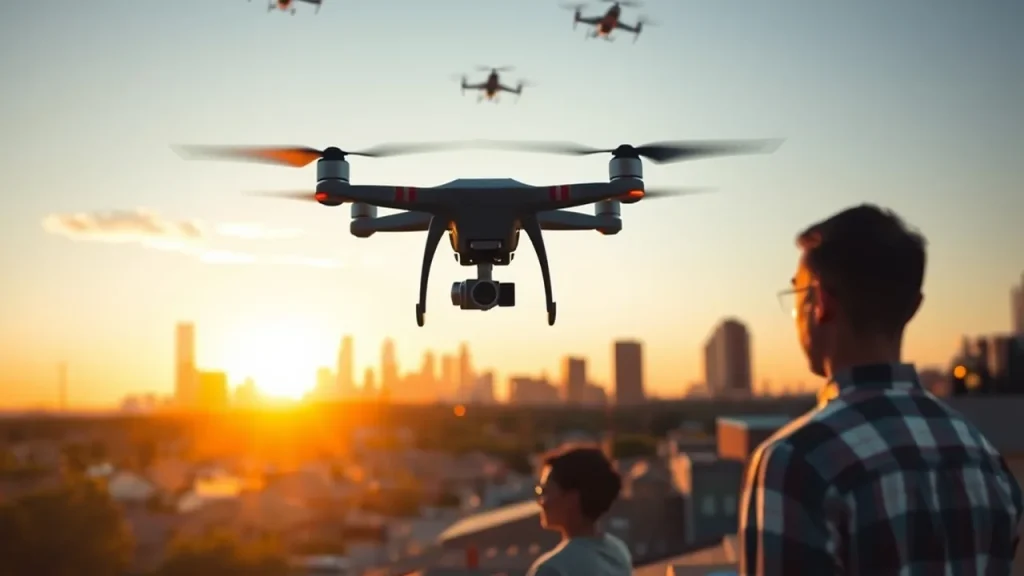
Delivery drone lifting off from a suburban Dallas rooftop with multiple drones in the sky
04

How to think about the job market here

The role combines aviation experience with automation know-how. FlyTrex and other drone companies typically require an FAA-certified drone pilot plus FAA-approved training to prepare for oversight of autonomous flight. In practice, the RPIC role is a bridge between traditional piloting and the new world of drone traffic management, where human judgment still matters even as machines do much of the navigation.

05

What happens next

As drone deliveries become more widespread, expect more cities to pilot UTM systems and more companies to hire RPICs to supervise fleets. The Dallas tests are one example of how the industry is trying to scale safely before drone deliveries become a normal sight in urban neighborhoods.

06

Quick answers

What is an RPIC?

A remote pilot in command is a drone supervisor who oversees delivery flights from a central operations center, coordinating with real–time data to keep flights safe.

Why is UTM important?

Unmanned aircraft systems traffic management lets multiple drones share the same airspace safely, reducing collisions and keeping deliveries on track.

  • Expect more cities to test these systems as drone deliveries expand.
  • Regulators are watching closely to balance innovation with safety and privacy.
  • For consumers, the change could mean faster, more reliable drone deliveries in your area.

You're reading the quick version.