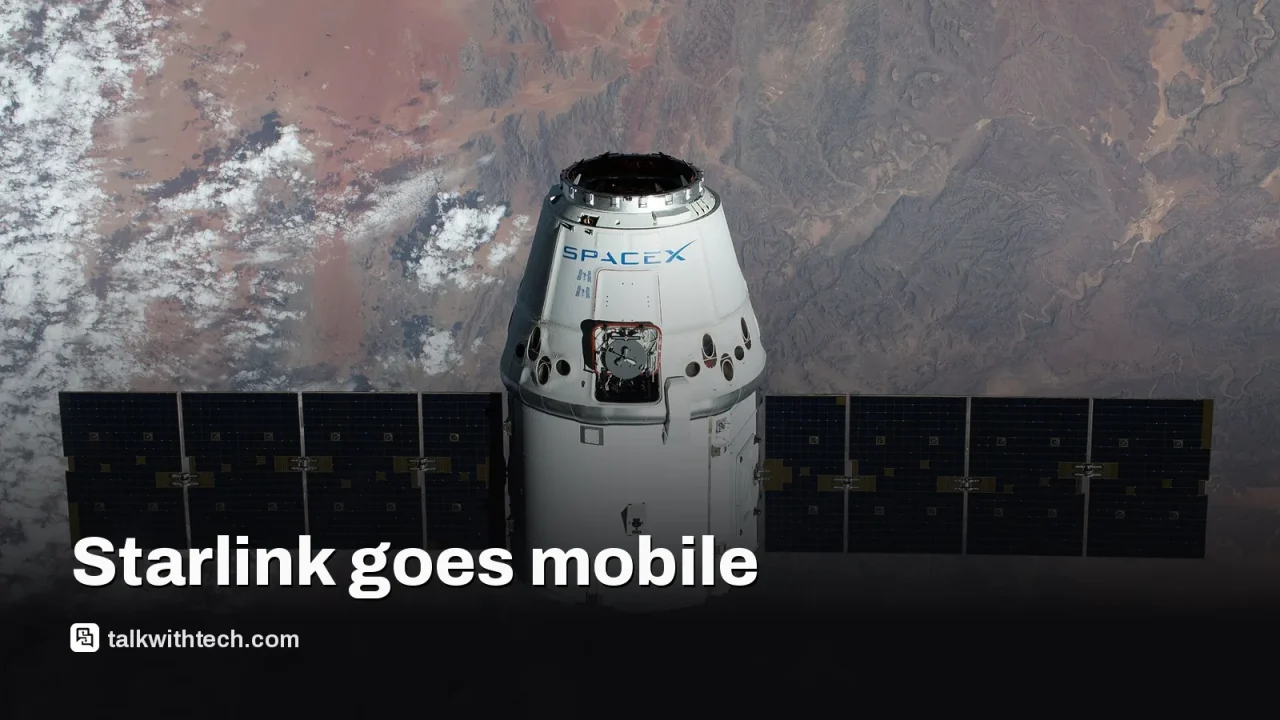
Low-band spectrum would help Starlink Mobile reach inside buildings and dense areas.
SpaceX says the move would enable Starlink to operate with both satellite and terrestrial spectrum.
Regulatory approval from the FCC is still required before the deal closes.
Quick read · 1 min
SpaceX plans to become a major mobile carrier by purchasing an 800 MHz low-band spectrum portfolio, pending FCC approval. This would support Starlink Mobile with better indoor coverage and the potential to blend satellite and terrestrial network components once Gen2 satellites are deployed.
If approved, you could see improved indoor service and more options for mobile connectivity that combine satellite reach with traditional cell towers.
Deal targets up to 14 MHz of paired 800 MHz spectrum
FCC approval is still required
Impact could be better indoor service and more competition
SpaceX says it intends to become a major mobile carrier, not just a satellite internet provider, by acquiring a low-band spectrum portfolio in the 800 MHz band. The deal would give Starlink Mobile access to up to 14 megahertz of paired spectrum, and it is currently awaiting approval from the U.S. Federal Communications Commission.
The low-band spectrum is a key piece for delivering reliable mobile service inside buildings and across wider areas. SpaceX has already expanded its spectrum holdings by acquiring licenses from EchoStar last year, and the company says this latest acquisition would help Starlink Mobile offer a more versatile mix of satellite and terrestrial coverage once the Gen2 constellation is in place.
In SpaceX’s view, the combination of low-band spectrum and its evolving satellite network could allow Starlink Mobile to function as a true network operator, rather than a standalone broadband option. That would mean customers could get service indoors and in areas where traditional networks struggle, using a single service that blends satellite connectivity with ground-based coverage.
01
Which bands and what it enables
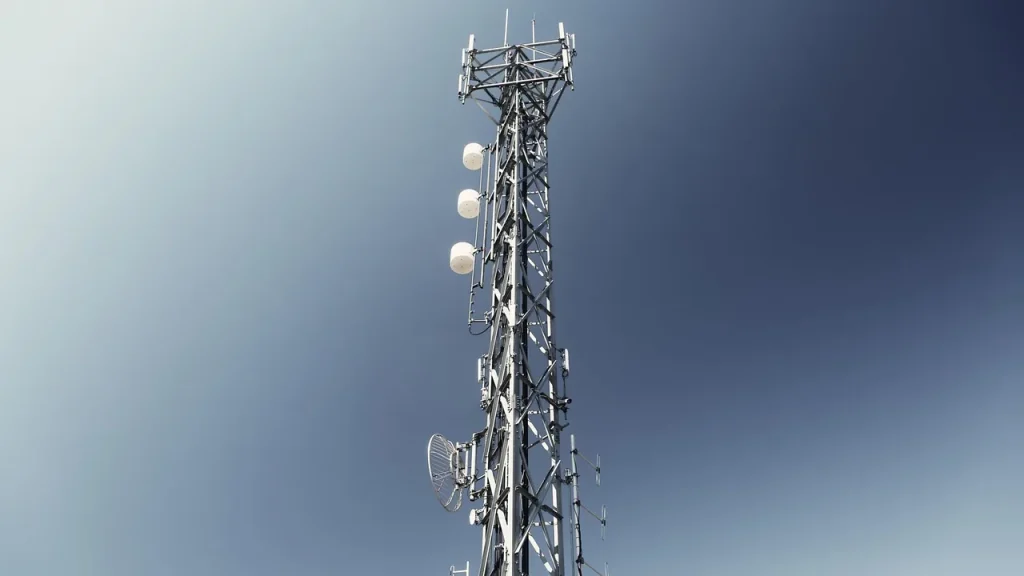
The deal targets an 800 MHz low-band spectrum portfolio, described as up to 14 megahertz of paired spectrum. Low-band spectrum travels farther and penetrates walls more effectively, which helps indoors and in rural areas where higher bands can’t perform as well. SpaceX says access to this spectrum helps close a missing piece in turning Starlink into a full-fledged mobile carrier with reliable indoor service.
02
What this could mean for Starlink users
If approved, Starlink Mobile could offer customers a combined satellite-plus-terrestrial experience, potentially improving indoor coverage and expanding available bandwidth for rural and remote areas. The company has signaled that the Gen2 satellites will multiply bandwidth and extend reach, while the low-band frequencies would help ensure signals inside buildings and in areas currently underserved by traditional carriers.
03
What happens next
The acquisition is subject to FCC review and approval. Until the regulator signs off, SpaceX’s plans for Starlink Mobile remain contingent. If the deal clears, the company would move forward with integrating the 800 MHz spectrum into its mobile strategy and continuing to roll out Gen2 satellites to bolster capacity.
04
What this means for you
For everyday users, the practical upshot could be better indoor mobile connectivity in more places, especially in areas where satellite backhaul is a factor today. If SpaceX succeeds, you might see Starlink-branded mobile service becoming a more visible option alongside the big national carriers, with a blend of satellite reach and terrestrial coverage.
Watch for updates from SpaceX and the FCC. If the deal is approved, SpaceX would outline a closer timeline for integrating the spectrum into Starlink Mobile and the broader network plan.
06
Quick answers
Will I be able to switch to Starlink Mobile right away?
Not yet. The deal needs FCC approval, and SpaceX will outline timelines after the approval.
Why does 800 MHz matter?
800 MHz is a low-band frequency that travels farther and penetrates walls better, which helps inside buildings and in rural areas.
Used hybrids are selling for more than new cars in some markets as demand outpaces supply, fueled by higher gas prices and a shift away from traditional gas motors.