Thursday, 29 October 2026

Meta stops third‑party TikTok ads in US, Canada and allies

Facebook and Instagram now refuse ads from TikTok's parent ByteDance, and any campaign pointing to TikTok, in seven countries. Here's who is affected and why.

TikTok
Photo: Nik Kranjec / CC BY-SA 4.0 (modified)

The short version

  • Since Oct. 8, Meta has refused ads and paid marketing from ByteDance on Facebook and Instagram in seven countries.
  • The ban covers the US, Canada, Egypt, Indonesia, Japan, Thailand and Vietnam, but not the UK or Europe.
  • It also blocks third-party campaigns that send people to TikTok or other ByteDance apps, even from unrelated businesses.
  • Meta calls it normal business practice, but it follows months of clashes with TikTok over teen safety and profile links.
Quick read · 1 min

Meta has stopped accepting ads from TikTok's parent company ByteDance on Facebook and Instagram. Since Oct. 8, the rule applies in the US, Canada, Egypt, Indonesia, Japan, Thailand and Vietnam. It also blocks campaigns from other businesses that send people to TikTok, so a small brand promoting its TikTok page could find its ads rejected.

Meta calls it ordinary competition. But the move follows a summer of clashes: Meta's roughly $18 billion child-safety settlement with US states, its pressure on TikTok and YouTube to copy those teen protections, TikTok rejecting Meta's ads, and TikTok stripping Instagram links from user profiles.

Regular users will mostly notice fewer TikTok promos. Advertisers in the seven countries should check any campaigns pointing to TikTok. The UK and Europe are not covered for now.
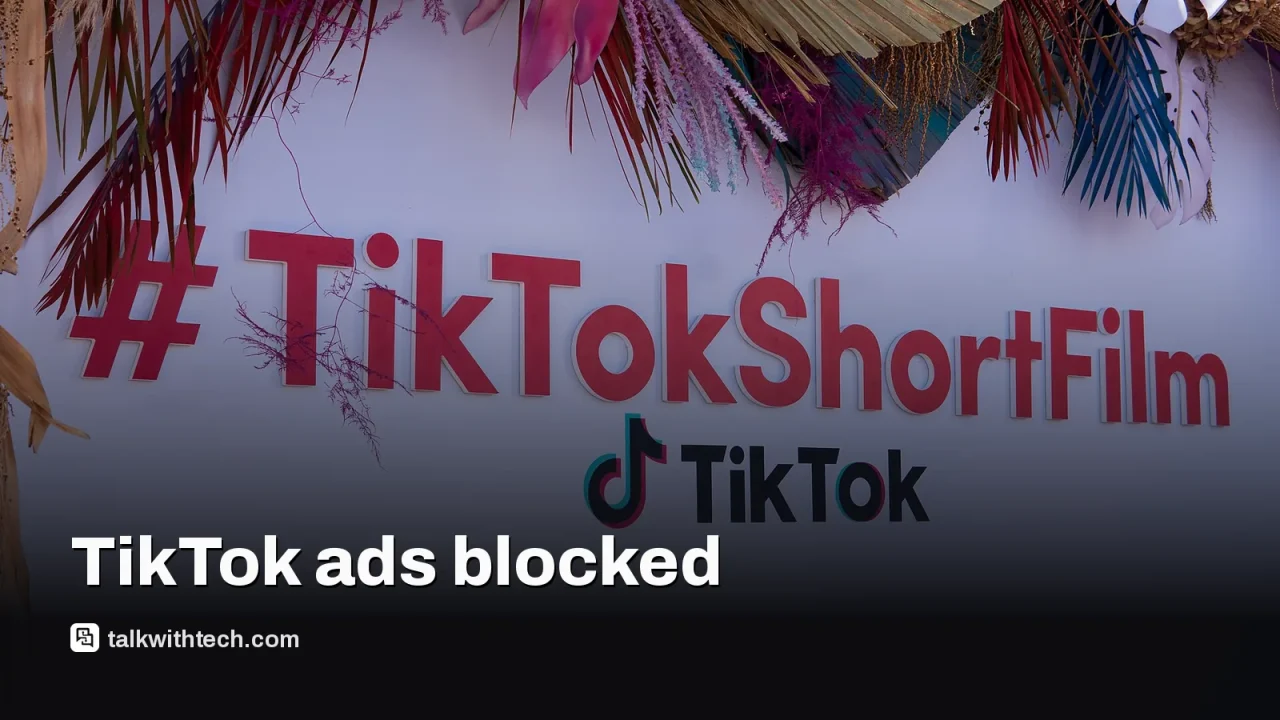

If you run a business that pays Facebook to send people to your TikTok, your campaign may have just stopped working. Meta has banned all ads and paid marketing from ByteDance, the Chinese company behind TikTok, along with any third-party ad that links to TikTok, in the US, Canada and five other countries.

For most people scrolling Instagram, the change is small: you’ll stop seeing promos nudging you to download TikTok. For creators, small brands and agencies that use Meta’s ad tools to grow a TikTok audience, it’s a real problem. And for everyone, it’s the clearest sign yet that the two biggest social video rivals have moved from competing for your attention to actively shutting each other out.

01

Where Meta blocks TikTok ads, and what counts

Meta blocks TikTok ads in seven countries: the United States, Canada, Egypt, Indonesia, Japan, Thailand and Vietnam. The restriction began on Thursday, Oct. 8, and applies across Meta’s apps, including Facebook and Instagram.

The ban has two parts:

  • Ads and paid marketing messages placed by ByteDance itself.
  • Campaigns from any other advertiser that send people to TikTok or other ByteDance services in those countries.

That second part is the one that catches people out. A coffee shop, a musician or a marketing agency with no link to ByteDance can still have its ad blocked if the destination is a TikTok page. The UK, the European Union and Australia are not on the list, and Meta hasn’t explained why it picked these seven markets or whether more will follow.

The ban does not stop anyone from using TikTok or sharing TikTok videos for free. It only concerns paid advertising on Meta’s platforms.

Hands over printed campaign plans in ad agency meeting
02

Why Meta says it’s just business

Meta’s official position is that this is ordinary competition. Spokesperson Chris Sgro said the company doesn’t have to accept ads from a rival trying to “pull people off our apps,” and called turning down promotion for a competitor a normal business practice in any industry. Meta says it will keep competing on product quality and user experience.

Few people see it as purely routine, though. The timing points to a fight that has been building since summer, and TikTok made the first moves to wall itself off.

03

The teen-safety feud behind the TikTok ad ban

The tension traces back to August, when Meta agreed to a settlement with dozens of US states over child safety, valued at about $18 billion. It forces Meta to add teen protections on Facebook and Instagram, including daily screen-time limits, restrictions on late-night use and more parental controls. Meta says around $5.3 billion of that figure depends on TikTok and YouTube adopting similar safeguards and making matching payments.

Meta’s argument is that limits on its apps won’t work if teenagers can simply jump to a rival without them. So it went public: an open letter to TikTok and YouTube in August, ads in major newspapers, and executives criticizing TikTok for skipping a Surgeon General event on excessive screen use. Meta also tried to run its campaign as ads on TikTok itself. TikTok turned them down, citing its rules on political content.

TikTok then made it harder to leave its app. In September it removed dedicated Instagram links from user profiles and stopped allowing links that open or log you into other social apps. TikTok has said very little publicly about the child-safety demands. Meta’s ad ban looks a lot like the next move in that exchange, even if Meta insists competition is the only reason.

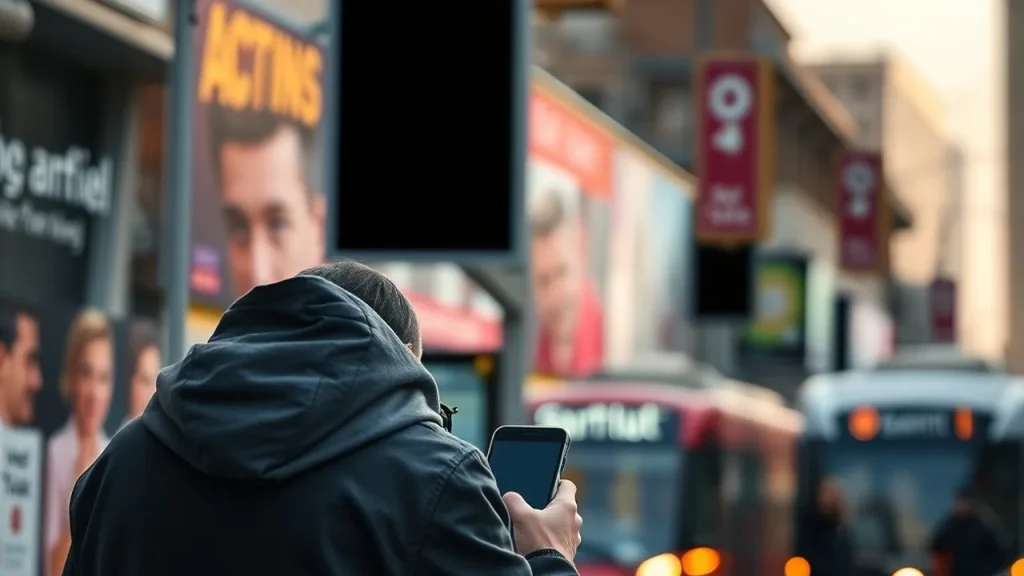
Person scrolling phone on street with blurred billboards in background
04

What changes for you, your feed and your business

If you just use Facebook and Instagram, expect fewer ads inviting you to try TikTok or watch a creator there. Your feed, your messages and the TikTok videos friends repost are unaffected.

If you advertise, the impact is more direct. Businesses targeting any of the seven countries should check:

  • Whether any running or pending campaigns send traffic to a TikTok profile, video or shop.
  • Delivery status and rejection notices before spending more money on those campaigns.
  • Whether a website, email sign-up or Instagram profile could replace TikTok as the landing spot.

The bigger lesson for small businesses is not to build your growth plan on one platform’s goodwill toward another. A company website or mailing list can’t be switched off by a rival’s policy change.

05

Who owns TikTok now, and why that matters here

Meta’s ban targets ByteDance specifically, which raises an obvious question, since TikTok’s US business changed hands. TikTok in the US is now run by a joint venture majority-owned by American companies, with a consortium of US and UAE investors that includes Larry Ellison’s Oracle. ByteDance kept a minority stake and still controls key parts of the US operation, which is why Meta’s rule still bites.

There’s also a long-standing imbalance in this rivalry. TikTok has been able to operate freely in the US, Meta’s most important market, while Meta’s apps remain shut out of China, ByteDance’s home market.

06

Quick answers

Can I still share TikTok videos on Instagram or Facebook?

Yes. The ban only covers paid ads. Posting or sharing TikTok content for free is not affected.

Does the ban apply in the UK?

No. Meta’s restriction covers the US, Canada, Egypt, Indonesia, Japan, Thailand and Vietnam. The UK and Europe are not included for now.

Why did Meta ban TikTok ads?

Meta says refusing to promote a competitor is normal business. The move follows months of clashes with TikTok over teen-safety rules and TikTok’s removal of Instagram links from profiles.

You're reading the quick version.