People who buy vinyl report a stronger sense of ownership and personal connection to music.
Vinyl imposes deliberate, ritual-like steps that can deepen engagement with an album.
Physical formats encourage more attentive listening compared to on-demand streaming.
The science supports the idea that physical media can influence identity and how we experience art.
Quick read · 1 min
Vinyl listeners often report a stronger sense of ownership and a deeper, more deliberate engagement with music. Three ideas explain why: owning a physical record boosts personal identity; the act of handling a record creates a ritual that slows listening and heightens attention; and the overall engagement with the album is richer when you interact with the physical packaging. For some, these factors make vinyl feel more meaningful than streaming, even though streaming offers instant access and vast catalogs. If you want to test it, pick an album, compare streaming and vinyl listening, and notice how your focus and mood shift. The takeaway is simple: the format you choose shapes not just what you hear, but how you experience it.
Whether you spin a black vinyl record or press play on a streaming app, your listening habit isn’t just about sound. A growing body of research suggests physical formats like vinyl can change how we feel about music, our sense of ownership, and how carefully we listen. In short, people who opt for vinyl tend to engage with albums in a more deliberate, identity-linked way than casual streaming often allows.
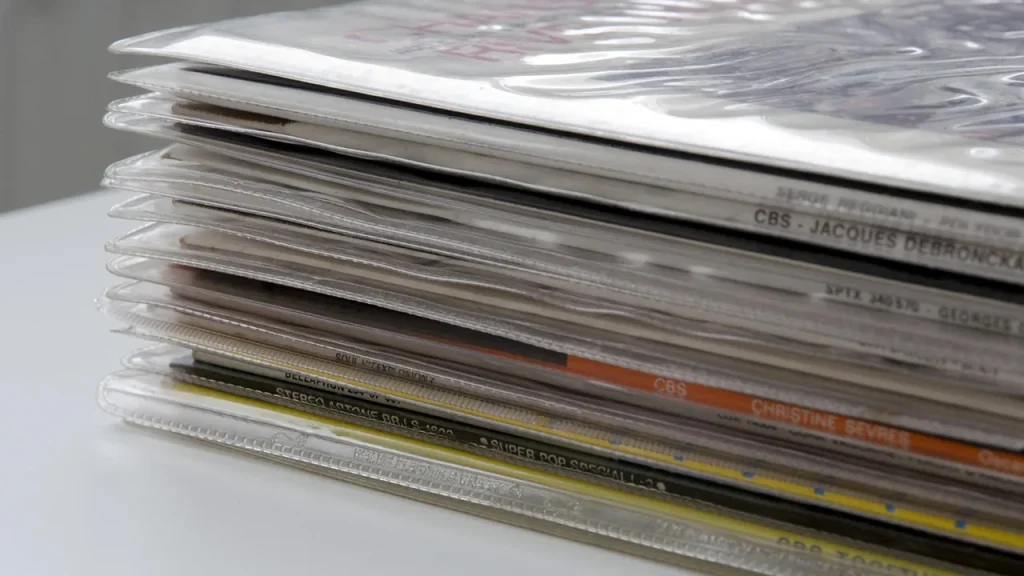
Three simple ideas come up repeatedly in the research: ownership, ritual, and engagement. First, owning a vinyl record isn’t just having a file on a shelf; it’s a tangible artifact you can show off, trade, or gift. Studies describe this physical ownership as something that connects music to identity, signaling to others what you value and who you are as a listener. That sense of ownership can make music feel more meaningful than a quick stream ride that lives in the cloud and changes with your playlist.
Second, vinyl listening requires a sequence of deliberate steps: find the record, remove it from the sleeve, place it on the turntable, and drop the needle. That ritual isn’t just ceremony; it changes how we experience the listening moment. Research cited in music psychology and related fields notes that preparing a vinyl listen can slow you down, making you pay more attention to the artwork, liner notes, and the music itself. It isn’t just “play,” it’s a small event you commit to, which can heighten enjoyment and focus.
Third, the engagement piece helps explain why vinyl users often report a different listening experience. Compared with streaming, where songs can start and stop with a tap or skip, vinyl listening invites a more sustained and attentive approach. Some researchers describe how physical media can nudge people toward a richer focus on the music, the album art, and the overall package. In that mode, listeners may notice nuances they might miss when shuttling through a streaming queue.
For everyday life, what does this mean if you’re deciding how to listen to music at home or on the go? If you love collecting, artwork, and the idea of a “collection” that speaks to your taste, vinyl offers more than just sound. It can reinforce your identity as a music fan and turn listening into a small ritual you look forward to. If you’re after pure convenience, streaming remains king for instant access and vast catalogs, but you might miss the sense of ceremony and connection that physical formats can provide.
And the research isn’t just about nostalgia. Physical formats can influence how you engage with music in ways that affect mood and memory. When a record’s artwork, liner notes, and the tactile feel of the sleeve are part of the experience, you may spend more time with the music, notice details, and form stronger associations with certain albums or artists.
Bottom line: the science aligns with what many vinyl lovers have long suspected, physical ownership, the ritual of playing a record, and deeper engagement can make listening feel richer. That doesn’t mean vinyl is better in every situation, but it helps explain why the format remains compelling even as streaming dominates the market.
01
What “ownership” really means for your music
Ownership goes beyond having a file in a library. It’s about a concrete object that carries cultural and personal meaning. The idea that a vinyl record can symbolize taste and identity shows up in psychological research on music consumption, helping explain why many fans treat vinyl as a badge of listening culture rather than just a soundtrack.
02
Rituals that shape your listening habits
The ritual of handling a record, sleeve removal, placing the needle, and the warm crackle at the start, creates a deliberate moment. This cadence can slow down the listening experience and invite you to notice artwork and liner notes, which can reinforce memory and appreciation for the music.
03
Engagement beyond the first listen
Physical formats encourage deeper engagement with albums as a complete package. Research suggests that when listeners spend time with the entire album, their enjoyment can extend beyond the music itself to the packaging and presentation.
04
What this means for you
If you’re choosing between vinyl and streaming, consider your priorities: instant access and breadth of catalog, or a more intentional, artifact-like listening experience that can strengthen your connection to the music and your self-image as a fan.
If you’re curious about testing the difference, try a simple experiment: pick a favorite album, listen to it once on streaming and again on vinyl, and compare your attention, mood, and memory of details. You may notice subtle shifts in how you connect with the music.
06
Quick answers
Does owning vinyl really change how I feel about music?
Research suggests ownership can strengthen personal connection and identity tied to your music choices.
Is vinyl listening less convenient than streaming?
Yes, vinyl requires more setup and means less instant access. For many, the trade-off is a richer listening ritual.