Thursday, 29 October 2026

PlayStation Pulse vs Pulse Elite: what the $50 cheaper model drops

Sony's new $99.99 PS5 headset is on preorder now and ships Nov. 19. It fixes the Elite's biggest flaw, but loses two handy extras. Here is how to choose.

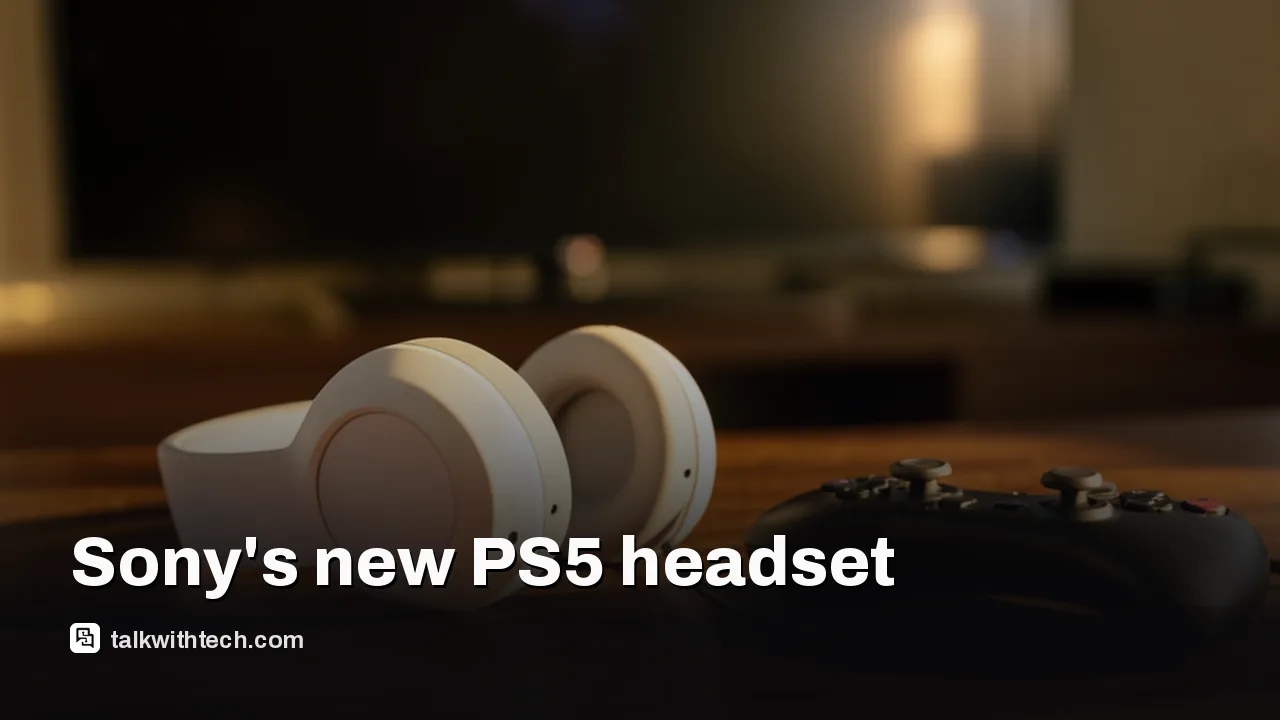
A white wireless gaming headset on a desk beside a game controller

The short version

  • The new PlayStation Pulse headset costs $99.99 in the US and £89.99 in the UK, $50 less than the Pulse Elite's launch price.
  • Preorders opened Oct. 29 and the headset ships Nov. 19, the same day Grand Theft Auto VI launches.
  • It keeps planar magnetic drivers and PlayStation Link but has no boom mic, relying on built-in mics instead.
  • A pricier Pulse Edge with noise cancellation and a detachable boom mic arrives in early 2027.
Quick read · 1 min

Sony's new PlayStation Pulse headset costs $99.99 in the US and £89.99 in the UK, $50 less than the Pulse Elite at launch. Preorders opened Oct. 29, and it ships Nov. 19, the same day as Grand Theft Auto VI.

  • It keeps planar magnetic drivers and lossless PlayStation Link audio, with bigger drivers for deeper bass.
  • Rotating earcups fix the Elite's comfort and storage complaints.
  • There is no boom mic; voice chat uses built-in mics with AI noise rejection.

For most people upgrading from a Pulse 3D or a budget headset, the new Pulse is the better buy. Pulse Elite owners can skip it, and anyone who wants noise cancellation and a detachable boom mic should wait for the Pulse Edge in early 2027.

PlayStation Pulse vs Pulse Elite comes down to this: the new Pulse costs $99.99, $50 less than the Pulse Elite did at launch, and it fixes the older headset’s biggest complaint, comfort. In exchange, you give up the boom microphone. Preorders opened on Oct. 29, and the headset ships on Nov. 19, the same day Grand Theft Auto VI arrives.

If you’re buying a PS5 headset for the holidays, or wondering whether to replace an aging Pulse 3D, the choice is now more interesting than “buy the expensive one”. Sony is also teasing a third option, the Pulse Edge, for early next year. Here’s what each headset actually gets you, and who should wait.

01

PlayStation Pulse vs Pulse Elite at a glance

  • Price: Pulse is $99.99 in the US and £89.99 in the UK. Pulse Elite started at $150.
  • Drivers: both use planar magnetic drivers, a flatter speaker design known for clean, detailed sound. Sony says the new Pulse has larger drivers for fuller bass while keeping the Elite’s clarity.
  • Microphone: Pulse uses mics built into the headset, with AI-enhanced noise rejection. The Elite has a boom mic.
  • Design: Pulse has rotating earcups so it can lie flat or rest on your neck. The Elite’s earcups don’t fold, which made it awkward to carry and store.
  • Connection: both use PlayStation Link, Sony’s 2.4GHz wireless standard. The new Pulse can also connect to a Bluetooth device at the same time.
  • Colors: Pulse comes in White and Midnight Black.
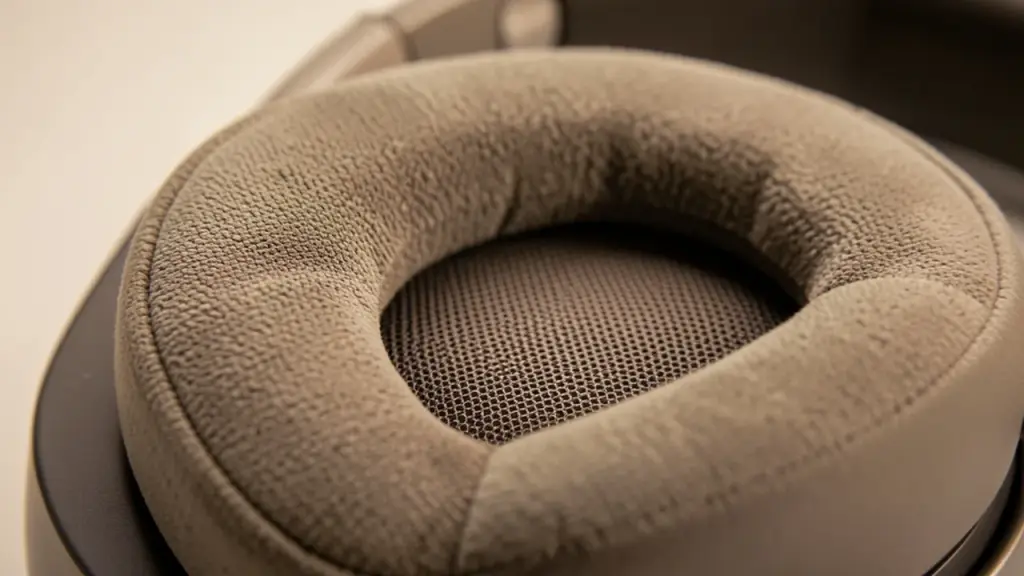
Close-up of a headphone ear cup's soft cushioning and mesh
02

Does the new Pulse sound as good as the Elite?

On paper, yes, and possibly better in the low end. Sony’s pitch for the new lineup centers on planar magnetic drivers, which it says make it easier to hear directional cues such as footsteps or a reload in a shooter. The Pulse uses four magnets per driver, and Sony says the bigger drivers deliver deeper bass than the Elite while keeping its clean sound.

PlayStation Link is the other half of the story. It gives lossless, very low-latency audio and lets you switch between supported devices, including a PS5, the PlayStation Portal remote player, a PC or a Mac. That makes the new Pulse a good match if you play on more than one screen.

Sony is also turning PlayStation Link into a wider ecosystem. The upcoming PlayStation FlexStrike fight stick will use the same wireless standard, and Sony’s PlayStation monitor can host the Link adapter for your PS5 with an extra cable. If you already own other Link gear, the new Pulse slots straight in. If you mostly game on PC, Sony’s separate Inzone headsets remain an alternative, though they don’t support PlayStation Link.
03

The comfort fix, and what you give up

Reviewers liked the Pulse Elite’s sound, but some found it uncomfortable. Its large earcups could trap air around your ears, and the headset couldn’t fold down. Sony’s engineering team says the new Pulse was designed for lasting comfort, and the rotating earcups let it rest on your neck between sessions or lie flat in a bag.

The trade-off is the microphone. The new Pulse has no boom mic and no mic jack, so all voice chat runs through the integrated mics. Sony’s AI noise rejection should help in a noisy room, but if you stream or play competitive team games, a boom mic usually sounds clearer. Early details also suggest the new model skips the charging stand that came with the Elite, so check what’s in the box before ordering.

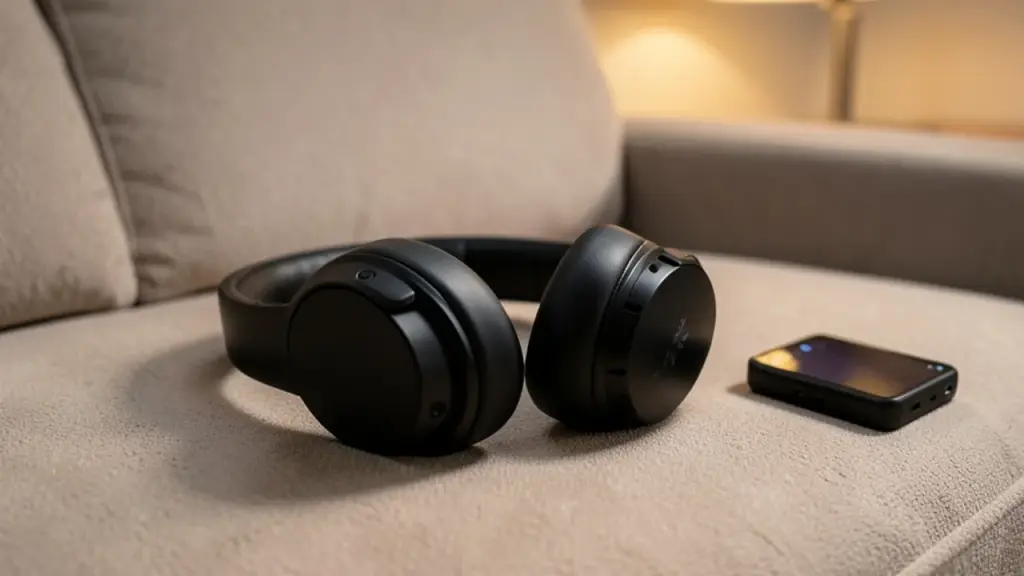
A black gaming headset lying flat on a sofa beside a small wireless adapter
04

Should you wait for the Pulse Edge?

Only if you want premium extras. The Pulse Edge, due in early 2027 at a price Sony hasn’t announced, adds:

  • Planar drivers with double the magnet volume of the regular Pulse, for richer bass.
  • Active noise cancellation, a first for a PlayStation headset.
  • A detachable boom mic, plus a hidden built-in mic when the boom is removed.
  • Premium materials and a carrying case.

In practice, the Edge looks like the true successor to the Pulse Elite, while the new Pulse replaces the Pulse 3D headset that launched alongside the PS5 in 2020. Sony has promised more Edge details closer to its launch.

05

Which PS5 headset should you buy?

A simple way to decide:

  • Upgrading from a Pulse 3D or a cheap headset: get the new Pulse. The planar drivers and PlayStation Link are a big step up, and it costs $50 less than the Elite did at launch.
  • Already own a Pulse Elite: keep it unless comfort is a real problem for you. The sound gains are incremental, and you’d lose the boom mic.
  • Play long sessions or travel: the new Pulse’s rotating, fold-flat design is the bigger win.
  • Want noise cancellation or a pro-style mic: wait for the Pulse Edge in 2027.

If you plan to play Grand Theft Auto VI on day one, timing is on your side: the Pulse is due to arrive the same day the game does.

Preorders run through PlayStation Direct in the US and Sony’s own store in the UK and much of Western Europe. Launch stock for accessories can be limited even when the product isn’t rare, so if you want it in time for the holidays, ordering early is the safer bet.

06

Quick answers

How much is the new PlayStation Pulse headset?

$99.99 in the US and £89.99 in the UK. Sony’s preorder announcement didn’t include Canadian pricing or dates.

When can I preorder the PlayStation Pulse?

Preorders opened on Oct. 29 at 10 a.m. ET in the US through PlayStation Direct, and at 10 a.m. local time in the UK and parts of Europe. It ships Nov. 19.

Does the PlayStation Pulse work with PlayStation Portal?

Yes. It uses PlayStation Link, which works with PS5, PlayStation Portal, PC and Mac.

You're reading the quick version.