Paying hundreds for an AI bird feeder didn’t stop mice and pigeons
A user test of an AI-powered bird feeder shows it drew more pests than birds in a surprising twist, with alert features and a hefty price tag failing to impress.
A smart bird feeder with AI bird-ID alerts costs hundreds and includes a 4K camera and solar panel.
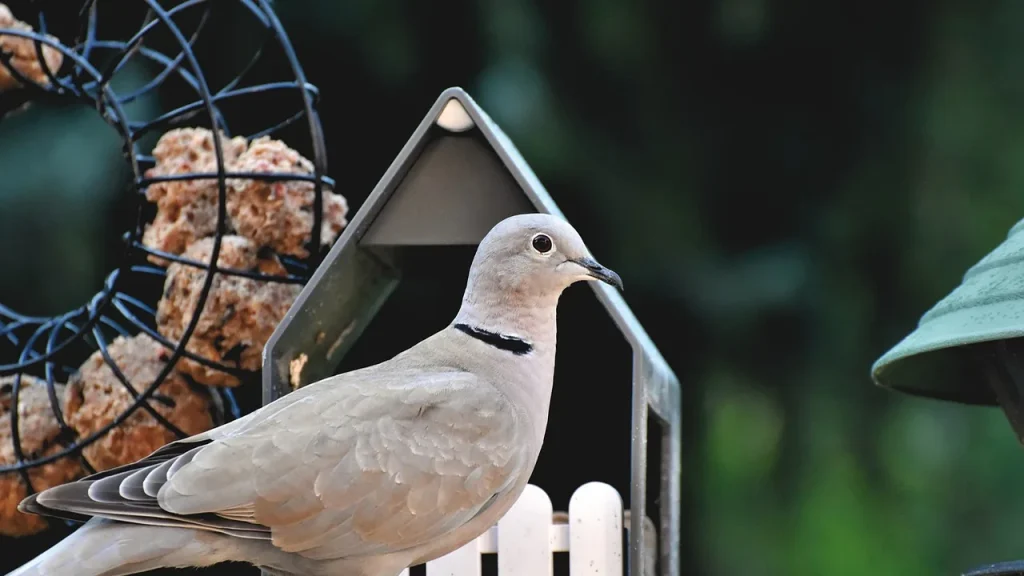
During a test, enthusiastic birds arrived but pigeons and mice soon overwhelmed the setup, plus the feeding area drew pests.
The experience raises questions about value, pest management, and how much “AI” helps in real-world backyard use.
Quick read · 1 min
A hands-on look at an AI-powered bird feeder showed that while the idea of AI bird-ID alerts and a 4K camera sounds great, real-world use can be messy. The setup costs hundreds of dollars, and the feeder soon attracted pigeons and mice, complicating the feed and triggering alarms. If you’re thinking about a smart feeder, start with a cheaper model and weigh how often you’ll rely on the AI features.
What this means for everyday life is simple: smarter tech isn’t always better in your backyard. You may save money by avoiding overly complex models and focusing on pest management and maintenance. If you do buy AI features, plan for more frequent cleaning and a strategy to deter pests.
Check pest risks in your yard
Test a cheaper model first
Consider privacy and data handling
A recent hands-on look at an AI-powered bird feeder reveals a twist you might not expect: the tech intended to attract and identify birds instead attracted a parade of pests and a surprisingly high bill. The device in question is marketed with a 4K camera, AI alerts that identify bird species, and a solar panel for off-grid use. A typical setup runs into the mid-to-upper hundreds of dollars, with pricing advertised around $350 before discounts and about $269 in some promotions. The reviewer used a model advertised as the Bird Feeder 2 Pro 4K AI Camera with Solar Panel, which included lifetime AI features, and described the experience as largely positive at first before things went off the rails.
What started as a promising way to spot different birds quickly shifted when a few common visitors showed up and stayed. The alerts started naming birds like tit species, then shifted to more generic, less flattering sightings. The feeder’s main camera feed became crowded, and the reviewer found the live view repeatedly blocked by a large, hungry visitor. That sweet setup quickly turned into a nuisance when pigeons and mice began to exploit the feeder and the seed pile, leading to a nuisance animal alarm being triggered. In the end, the user removed the device from the garden and put it away, deciding a simpler, cheaper approach might be wiser for a backyard setup.
01
What this means for backyard tech buyers
Smart feeders come with expectations that AI will add convenience, like quick identity checks and better seed management. In real use, the AI can misidentify birds, and the hardware that records video creates new opportunities for pests to discover easy food sources. If you’re considering a smart feeder, think about how much you’ll rely on the AI features and whether you’re prepared to manage potential pests and maintenance. Cheaper, non-AI models can still help you track local birds without inviting extra visitors to your seed stash.
02
Which features actually matter in practice
The main draws here are the AI bird-ID alerts, the 4K camera, and the solar panel. In everyday use, these features translate to three questions: Do the alerts reliably identify birds, is the video feed clear enough to enjoy, and does the solar setup actually reduce maintenance? If your yard tends to attract pigeons or rodents, you may want to factor in extra pest deterrence and a plan to clean the feeder frequently.
03
Health, safety and privacy on a backyard camera
Backyard cameras raise privacy considerations and security questions. If a device is continuously recording, you’ll want to consider who has access to the feed and how data is stored or shared. In addition, a feeder placed near living spaces can attract not just birds but other wildlife, which may require different handling than a simple wooden feeder.
04
What this means for your wallet
Beyond the sticker price, you’ll be paying for ongoing AI features and potential replacement parts if pests damage the setup. If you’re unsure about the long-term value, you may want to start with a basic feeder and add AI features later only after you’ve tested the environment and the kind of wildlife that visits your yard.
If you’re curious about AI bird feeders, consider trying a cheaper model first to see how often you actually use the AI features and whether you face pest-related issues. For a more controlled test, place the feeder away from garden corners that attract nuisance animals and monitor the effects for a full season before committing to a pricier AI-equipped model.
06
Quick answers
What did the test show about AI bird-ID accuracy?
It started with confident bird IDs but quickly showed that the AI can misidentify common visitors, depending on lighting and angles.
Should I avoid AI-powered feeders entirely?
Not necessarily. They can be useful, but consider your yard’s typical visitors and whether you’re prepared for maintenance and pest management.
Is the price justified for most homes?
That depends on how much you value AI features and video feeds. In many cases, simpler options may offer similar enjoyment with less hassle.
A Mashable deal lets you test dozens of AI models at once with a single lifetime pass, useful for people weighing which AI tool to use at home or work.
Dyson has unveiled a first-of-its-kind toothbrush called the CameraJet, featuring a built-in camera to stream a live view of your mouth and target areas for cleaning.
4 min read
We use cookies to understand how readers use Talk With Tech, so we can make it better. Is that OK? Privacy policy
The Daily Brief
Today's biggest tech stories, in 5 minutes
Every morning, the news that matters from AI, phones, apps and the people shaping tech. Explained in plain English. Free.
One email a day. No spam, unsubscribe anytime. Privacy policy