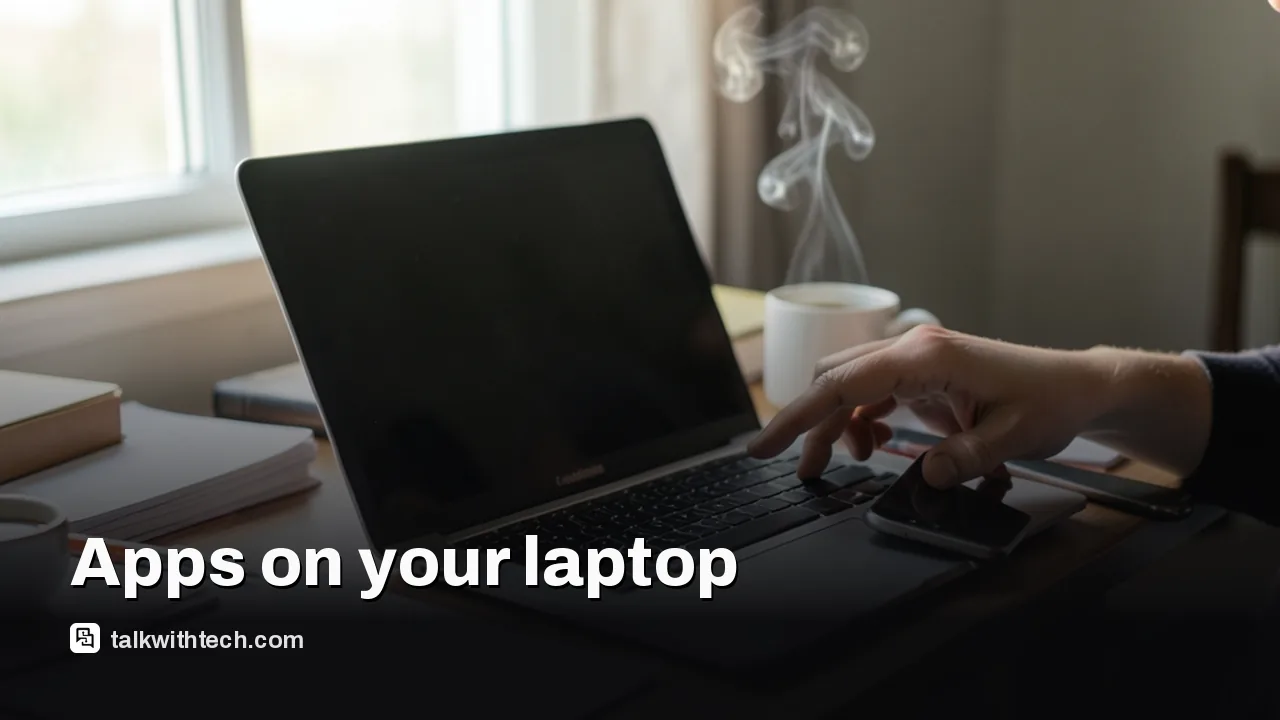
Android-powered Googlebooks let you run Android apps on laptops, with mixed results in early testing.
Setup across devices can be quick in theory but often needs multiple restarts and re-pairing between laptop and phone.
App availability and desktop parity vary, with some popular apps missing or not well optimized for desktop use.
Casting Android apps to the laptop adds convenience but isn’t a perfect multitasking or media solution.
Quick read · 1 min
Googlebooks are Android-powered laptops that let you run Android apps on a desktop-like device. Early testing finds setup can require several restarts and repeated device pairing, and connections between phone and laptop can drop when networks change. App availability and desktop parity vary, and casting apps from phone to laptop helps with quick tasks but isn’t great for heavy multitasking. Over time, Google and app makers will improve reliability and compatibility. Try a small set of daily apps first and watch for updates that address the connectivity and app-compatibility gaps.
Google’s new Android-powered laptops, marketed as Googlebooks, aim to bring Android apps directly to a laptop form factor. Early hands-on testing shows the idea works in principle, but in practice users hit setup hurdles, repeated restarts, and ongoing re-pairing between the laptop and a phone. Connections can hold for a time and then drop when switching Wi-Fi networks or adding a new device. In other words, the concept is promising, but the execution can be frustrating for everyday tasks.
That mix of upside and friction is the core takeaway. On the plus side, you get desktop-like access to many Android apps and the option to download content for offline use. On the downside, many apps aren’t optimized for desktop use, or they don’t offer feature parity with their big-screen siblings. Even Google’s own apps can feel limited, with Chrome not delivering missing features users expect on a traditional laptop. And while Google promises a broad library in the Play Store, not every Android app is available or suitable for a desktop-style workflow.
01
Which phones and apps perform best
Results vary based on the phone you pair with the Googlebook and the app you’re trying to run. Some Android apps open in windows that resemble a traditional desktop app, while others keep a phone-like interface stretched to fit the screen. Apps labeled as “Made for desktop” tend to work better, but there are still notable gaps. The biggest issue remains app parity: many popular productivity and creative tools aren’t fully ready for desktop use, lacking complete keyboard and mouse support or multi-window capabilities.
02
What casting from phone to laptop does, and doesn’t
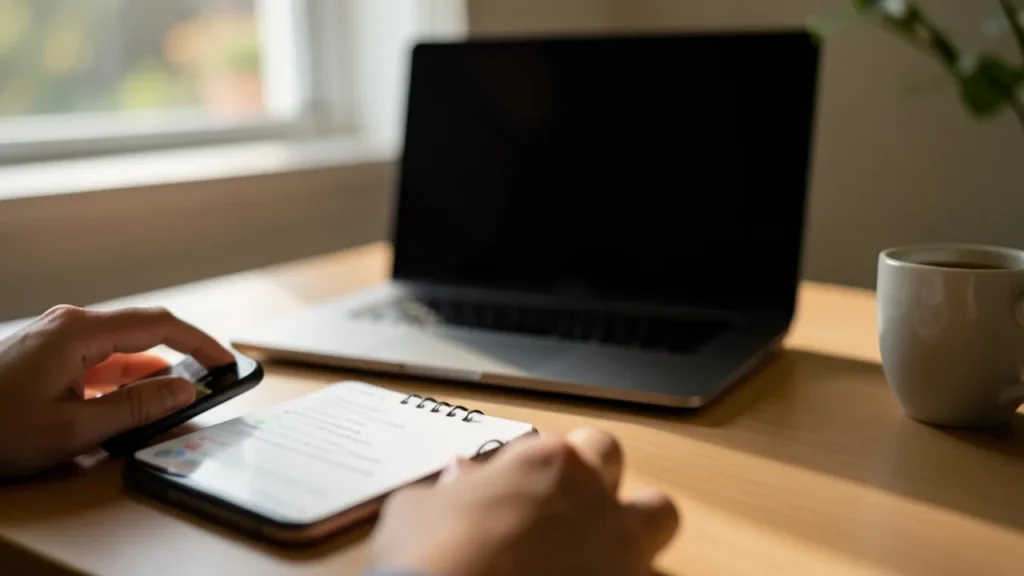
Googlebooks also includes a way to cast specific apps from a phone to the laptop, so you can jump into tasks without grabbing your phone. This casting shows only the app itself, not the entire phone screen, and the app continues to run on the phone in the background. It’s handy for quick updates or messages, but it isn’t a solid multitasking or media solution for heavier workloads.
03
What this means for everyday life
For most people, the question is whether Android on a laptop can replace a tablet or a traditional laptop. Right now it’s a mixed bag: you’ll enjoy fast access to mobile apps and offline downloads, but you may encounter occasional connection hiccups, limited desktop features, and the need to adapt to apps that aren’t desktop-optimized. If you rely on specific desktop-only tools, test those apps first before deciding to switch to a Googlebook as your main machine.
04
What happens next and what you can do now
Expect refinements as Google and app developers optimize for desktop-grade experiences. If you’re curious about Googlebooks, start with a small set of core Android apps you use daily and test how well they run in your usual setup. Monitor how well connections hold up when you change networks or add devices. If you’re in a position to try it, document your own setup steps so you can troubleshoot more quickly in the future.
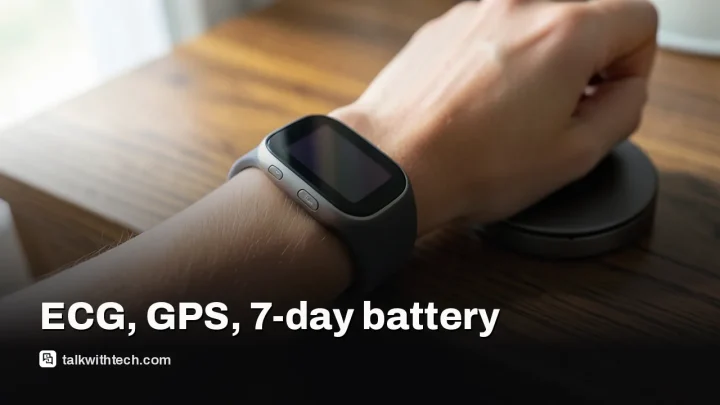
Google’s Fitbit Edge fuses the minimal screenless design of the Fitbit Air with the Pixel Watch 5’s display and features, offering GPS, ECG, Health insights and a week-long battery.
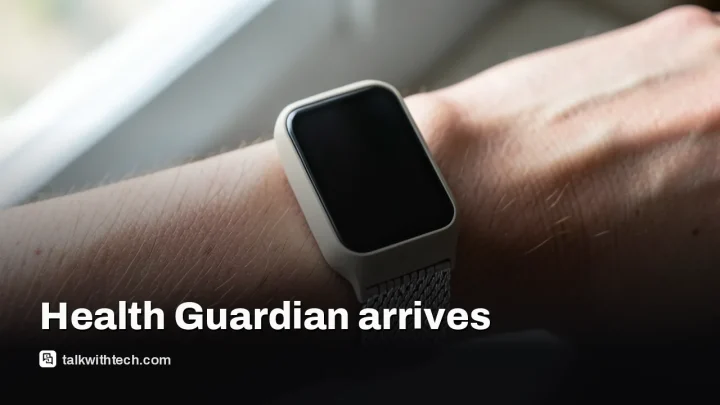
Google adds Health Guardian, insulin resistance estimates, sleep breathing tracking and a more accurate auto-activity detector to the Fitbit Air, plus new metal mesh bands.
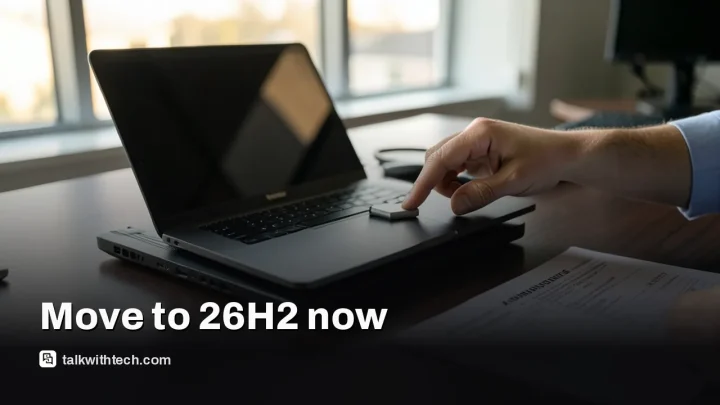
Microsoft says Windows 11 23H2 Enterprise, Education and IoT Enterprise editions will stop receiving security updates in roughly one month; users should move to Windows 11 26H2.
3 min read
We use cookies to understand how readers use Talk With Tech, so we can make it better. Is that OK? Privacy policy
The Daily Brief
Today's biggest tech stories, in 5 minutes
Every morning, the news that matters from AI, phones, apps and the people shaping tech. Explained in plain English. Free.
One email a day. No spam, unsubscribe anytime. Privacy policy