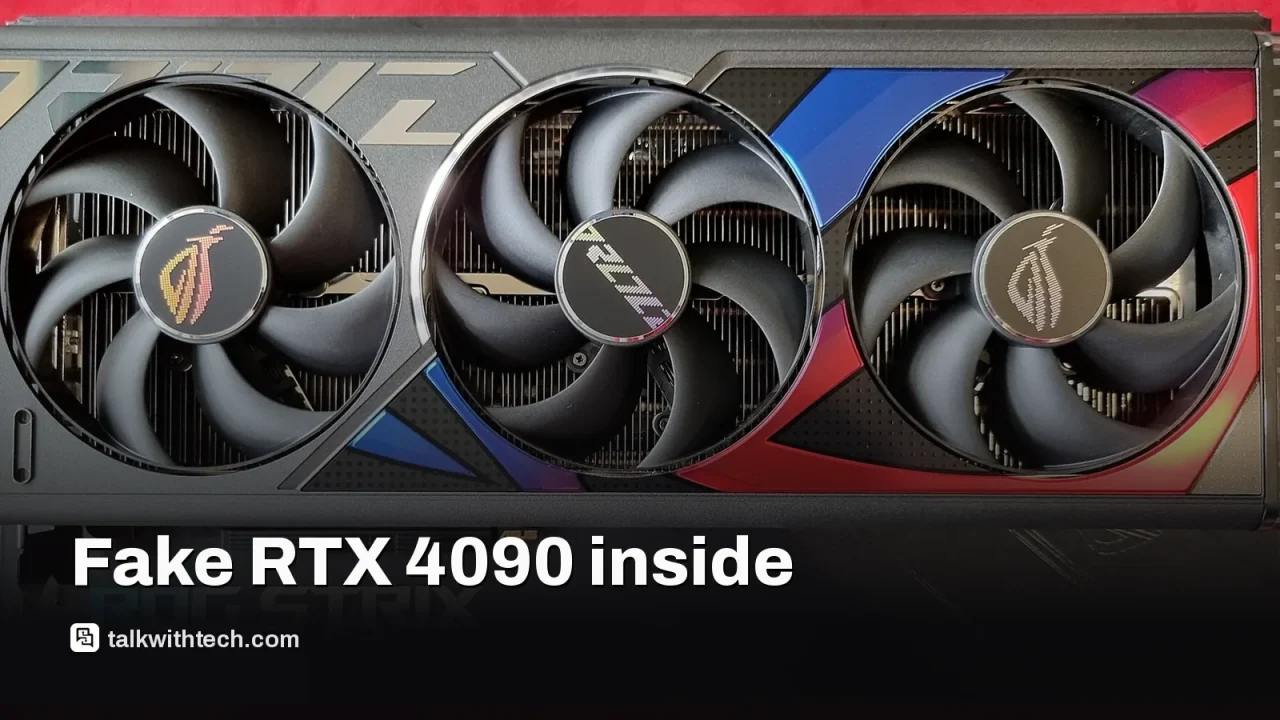
A buyer paid about $350 for a broken RTX 4090 project that turned out to be counterfeit.
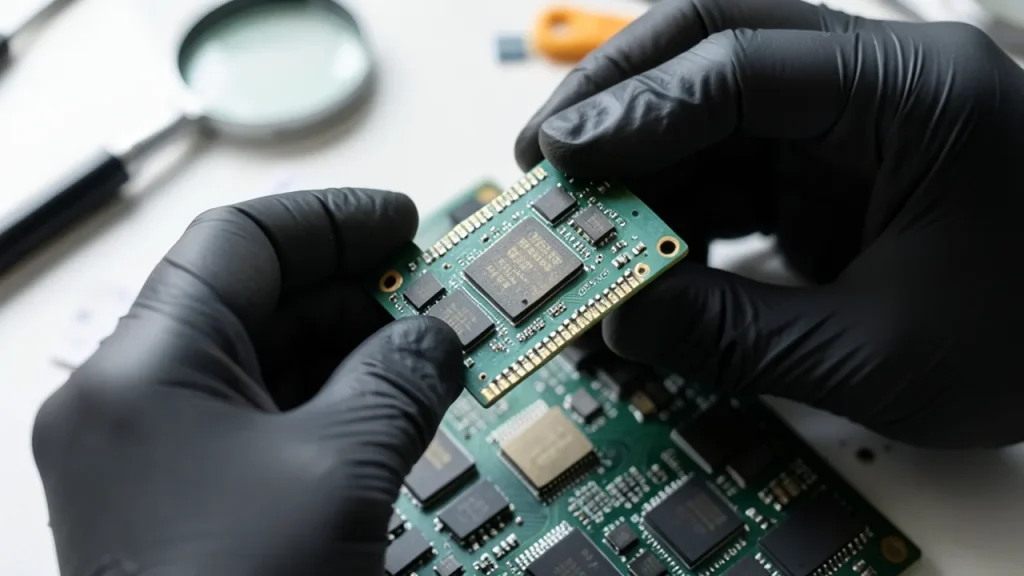
The fake GPU die and swapped memory were crafted to resemble genuine Nvidia components.
The counterfeiters even used a ball grid array (BGA) soldering to imitate a real processor install.
This isn’t the first time counterfeit RTX 4090s have surfaced; buyers should verify workability and provenance before paying.
Quick read · 1 min
A Russian repair expert found a counterfeit RTX 4090 inside a card bought for repair, complete with a fake GPU die and swapped memory. The fake components were convincingly labeled, with a BGA-soldered die and memory that looked legitimate at first glance but turned out to be not what they seemed. The case shows how careful buyers and repair shops need to be with high-end parts. For buyers: demand proof the card worked before, request tests in a real system, and verify packaging and serial numbers. If you’re buying used GPUs, stick to reputable sellers and ensure you can test before paying. What happens next is unclear, but the incident highlights ongoing risks in the second-hand market and the need for thorough checks before purchase or repair.
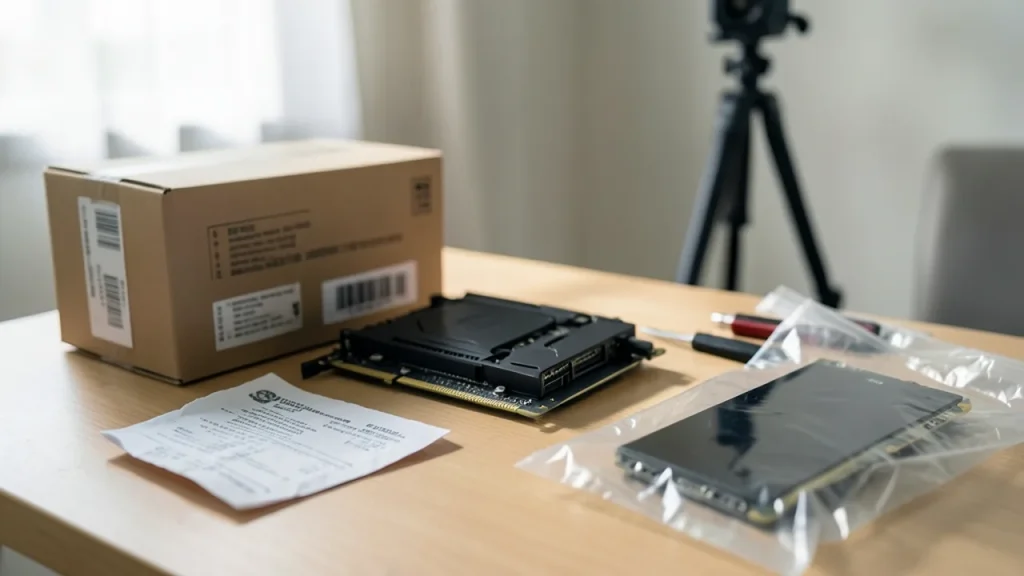
A broken RTX 4090 project turned up in a Russian repair shop with a shocking twist: the board didn’t actually house Nvidia’s silicon. The buyer paid about 30,000 rubles, roughly $350, for a repair project, but closer inspection revealed a fake GPU die and memory chips designed to look authentic. The repair expert reports the board was fitted with dummy components, including a fake die soldered onto the PCB using a ball grid array, making it look like the original manufacturing work had been done.
The team behind the finding says the counterfeiters went to extra lengths. Labels, GPU package, chip markings, and even the compound around the processor were crafted to mimic a real RTX 4090. Yet there were telltale inconsistencies: the substrate color, reflections on the surface, and certain lettering did not match genuine Nvidia parts. When the fake die was removed, the contact area didn’t resemble a functional processor, and the solder mask showed signs of deterioration during cleaning. The memory chips initially appeared to be genuine GDDR6X in branding and layout, but a closer look revealed they were not the expected GDDR6X type. The markings on these components bore a resemblance to authentic Micron memory packages, which contributed to the deception. There’s also a hint that the PCB design could be based on an RTX 3090 Ti, though there’s no conclusive proof.
This isn’t the first counterfeit RTX 4090 incident. Earlier cases included a similar setup where a broken card bought for a low price turned out to be a replica with a plastic imitation of Nvidia’s die. The new example shows the level of effort counterfeiters are willing to invest to fool buyers and repair people who don’t test hardware before exchanging cash.
For buyers, the takeaway is simple: don’t treat a repair project as a guaranteed fix just because the card looks promising. Always ask for proof the card was working before it was sold, demand a test in a functioning system, and seek receipts for any repairs or parts sourced. If a deal sounds unusually cheap for a high-end card, that should raise alarm bells. A thorough checklist can help separate genuine hardware from a convincing mock-up.
What happens next isn’t clear, but the case underscores the ongoing risk of counterfeit components in the used market. Buyers should stay cautious, especially when purchasing high-end GPUs for repair or resale. If you’re considering a used RTX 4090, consider asking for a video test, original packaging or serial numbers, and a signed note confirming the card powered on and rendered frames before money changes hands.
01
What is a counterfeit GPU and why does it fool people?
A counterfeit GPU is a board that looks like a known model but uses fake or swapped components. In this case, fake die labelling, mirrored packaging details, and swapped memory chips were used to mimic a real RTX 4090, fooling repair technicians and potential buyers.
02
How to spot a fake before buying or accepting a repair
Ask for proof of functionality, request serial numbers and a repair bill, and look for inconsistencies in labeling or solder work. If you can, demand an in-person test in a working PC with live benchmarking.
03
What this means for everyday buyers
High-end GPUs can still be bought used, but this story is a reminder that cheaper prices often come with higher risk. Consider buying from reputable sellers with a solid return policy, and test hardware before completing a sale whenever possible.
04
What to do now
If you’re eyeing a used RTX 4090, insist on a live test or a video demonstration. Request original packaging, serial numbers, and a clear purchase record. If you’ve already bought something questionable, seek an insurer or retailer who can help and document the purchase details for a possible claim.
TikTok’s boss says AI may accelerate physics, biotech, chemistry and materials science within the next two to three years, while warning about cybersecurity risks.
A reported incident shows AI-driven automation in a legacy mainframe environment caused a week of disrupted work, highlighting gaps in readiness for enterprise-scale AI in critical systems.
4 min read
We use cookies to understand how readers use Talk With Tech, so we can make it better. Is that OK? Privacy policy
The Daily Brief
Today's biggest tech stories, in 5 minutes
Every morning, the news that matters from AI, phones, apps and the people shaping tech. Explained in plain English. Free.
One email a day. No spam, unsubscribe anytime. Privacy policy