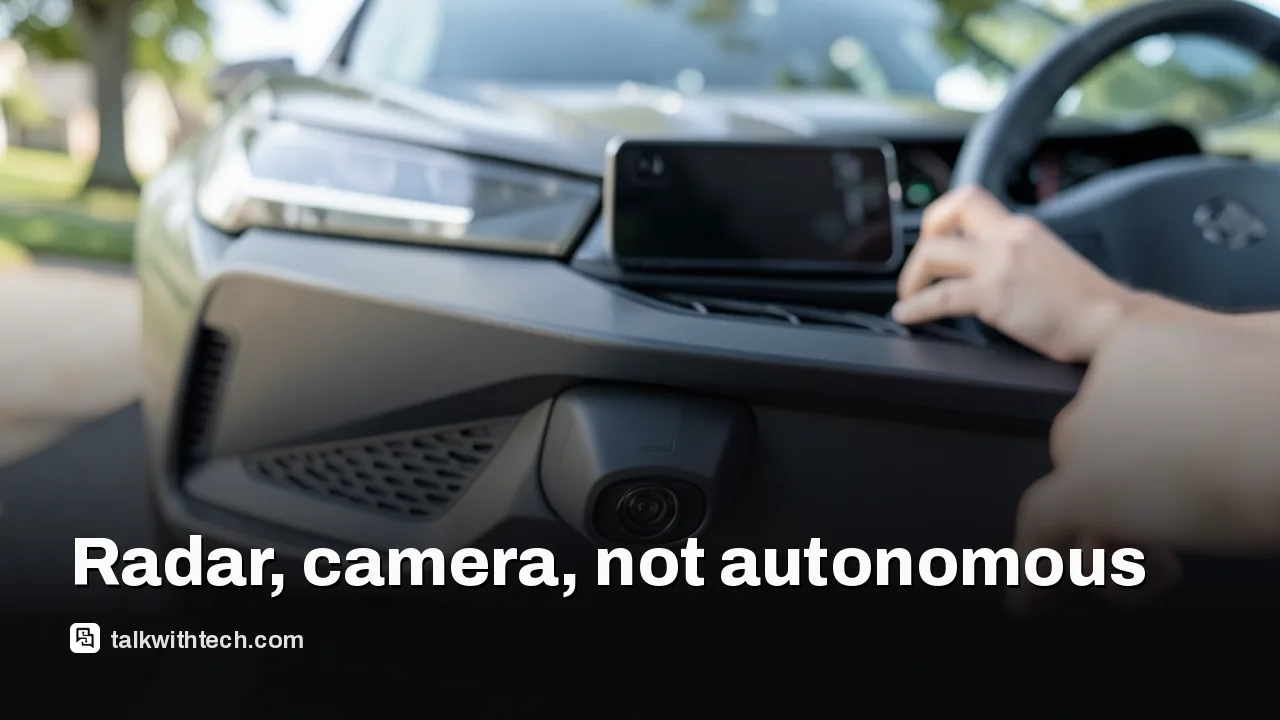
Adaptive cruise control relies on a radar sensor and a camera to keep a set distance from the car ahead by adjusting speed.
Software adds behavior like braking in traffic and sometimes lane centering, but it’s not a full self-driving system.
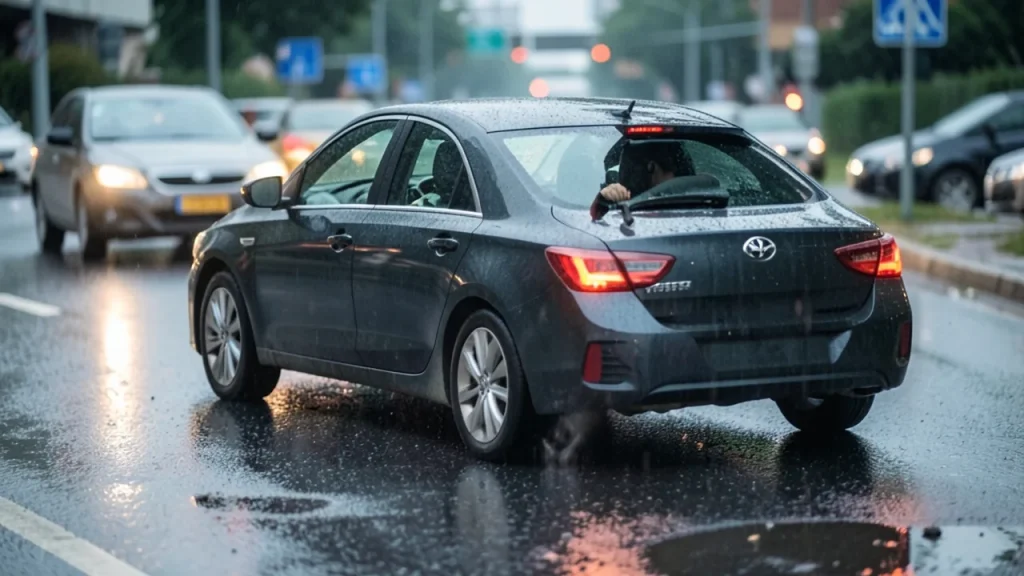
Performance varies with weather and road type; rain, fog, and complex traffic can degrade sensor performance.
Studies show some drivers over-trust these systems and become less engaged, risking safety on longer trips.
Quick read · 1 min
Adaptive cruise control uses radar and a camera to keep a safe distance from the car in front by adjusting speed automatically. It can reduce fatigue on long trips but isn’t a substitute for attentive driving, especially in rain or fog where sensors can misread the road. Stay alert and ready to take control if needed.
What this means for you: you may enjoy smoother highway runs, but don’t rely on it in every situation. If you notice odd behavior, switch to manual control until conditions improve.
Best on straight, open highways
Weather can degrade performance
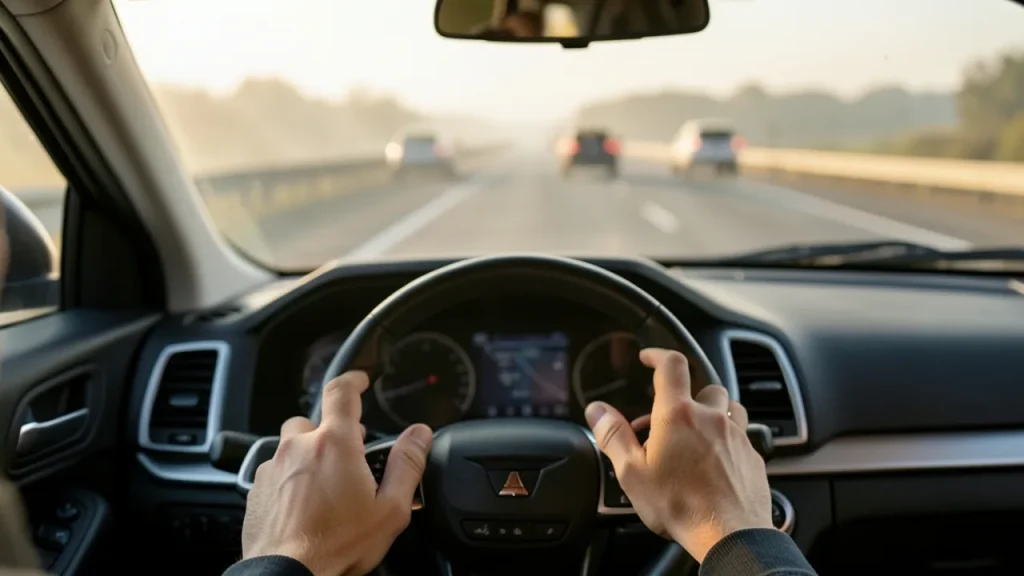
Remain hands-on and ready to intervene
Adaptive cruise control is a familiar feature in many newer cars, but the key ideas live in a simple setup plus smarter software. The goal is to keep a chosen following distance from the vehicle ahead by automatically adjusting speed. The core inputs are a radar sensor and a camera, and the magic happens when the car’s computer turns those inputs into actions on the road.
In most cars, a radar sensor sits low in the front end and sends out a signal that bounces off the car ahead. The time it takes for the signal to return provides distance and the rate at which that gap is closing. A camera tucked behind the windshield watches lane markings and helps the system decide which vehicle to follow. Put together, these sensors feed the software that modulates the throttle and brakes without you moving your feet.
But the hardware is only part of the story. Automakers layer in software features that push this basic idea further. Some add map data to anticipate curves, hills, or exits, letting the system adjust speed ahead of time. Others tune the behavior to better match how you drive, so the car mirrors your preferred pace on familiar routes. Ford, for instance, has explored using maps to smooth braking before bends, while other brands test how the car’s software learns from your driving style over time.
There’s a limit to what adaptive cruise control can do. It isn’t a replacement for human judgment or a guaranteed shield against collisions. The sensors can struggle in bad weather such as heavy rain, fog, or snow, and detecting a car that suddenly cuts in or stops can be late. Because the system relies on real-time sensing, conditions that blur vision or dull radar reduce its effectiveness.
That matters for safety. The system is designed to handle long, straight stretches and relatively light traffic. Dense traffic, sharp curves, or slick roads require more hands-on control. Some cars also pair adaptive cruise with lane-centering features, which can encourage people to take their hands off the wheel for longer than is wise. Studies have shown that drivers with these features sometimes engage more with the controls or speed more when lane-centering is active, underscoring the need for vigilance.
For everyday life, this technology can reduce fatigue on highway trips and help maintain steady speeds on familiar routes. The practical takeaway is simple: treat adaptive cruise control as a helper, not a substitute for your attention. If the system acts oddly or conditions worsen, take manual control and stay alert.
01
What the sensors actually do
The radar measures distance and closing speed to the car in front, while the camera keeps track of lane lines and helps identify which car to follow. Some vehicles also bring in road maps or other data to tune behavior near bends or exits. The result is smoother acceleration and braking that keeps you a safer following distance without constant manual throttle input.
02
Where it still falls short
Sensor performance drops in rain, fog, or snow, and the system can miss a car that cuts in or stops abruptly. It is not a collision-avoidance system and won’t automatically brake for pedestrians, bicyclists, or animals in all scenarios. Weather and road conditions matter a lot, and drivers should stay prepared to intervene when needed.
03
What this means for you on the road
Adaptive cruise control can make long drives less tiring and reduce the need to constantly adjust speed. It also means you should remain engaged with the road and ready to take over at any moment. If you rely on lane-centering, keep your hands on the wheel and monitor the car’s reactions, especially in tricky weather or heavy traffic.
04
What to do next
Use the feature to ease fatigue on highways, but don’t treat it as a driverless system. Stay attentive, keep your hands near the wheel, and be prepared to take control if the car doesn’t respond as you expect in rain, fog, or busy intersections. Check your vehicle’s manual for its specific limitations and how to disable the feature if needed.
Ultrahuman partners with Abu Dhabi health authorities to validate a biological-age model that blends wearable data with clinical tests, aiming for a nationwide UAE rollout.
As Microsoft rolls out Copilot-edition features, the guardrails, performance promises, and pricing for devices like the Surface Laptop Ultra get real-world tests.