Meta reportedly built a humanoid robot prototype called Max with Chinese robot maker Fourier in about three months.
Max stands about 1.5 meters tall, weighs roughly 106 pounds and runs on an Nvidia Jetson Thor chip, the report says.
A second version, Max 2, has been in the works since September with new hands, a projector and stair sensors.
Meta says the work is internal research, it has no plans to sell the units, and no launch date exists.
Quick read · 2 min
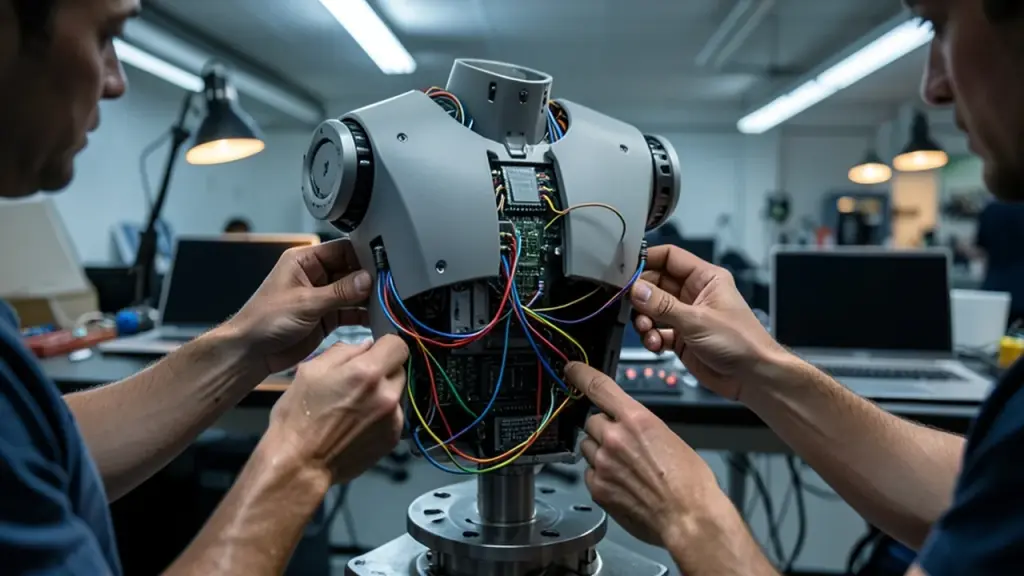
Meta has reportedly built a humanoid robot prototype called Max with Shanghai robot maker Fourier, and it took only about three months. The Information says the robot is about 1.5 meters tall, weighs around 106 pounds, runs on an Nvidia Jetson Thor chip and has a screen face, speakers and five-fingered hands that can grab small items.
Meta already started on Max 2 in September. That version is said to get a new torso, better hands, a projector and more sensors so it can cope with stairs. The bigger plan is to give Muse, Meta's AI agent, a physical body that could one day do household jobs.
You can't buy one: Meta says it has no plans to sell these units.
There's no launch date or price.
Rivals include Tesla's Optimus and Agility's Digit 5.
For now this is a research project, but it shows where Meta wants its AI to go next.
Meta has a humanoid robot, and it reportedly went from idea to working prototype in about three months. The Meta humanoid robot, known inside the company as Max, was built with Shanghai-based robot maker Fourier and is meant to one day help with chores at home, according to a report from The Information that cites people familiar with the project.
If you’re wondering whether a Meta robot will be folding your laundry next year, the short answer is no. Meta told The Information the robots exist for experiments inside the company, and it isn’t planning to sell them. There’s no launch date. But the company is already building a second version, and the reasons why tell you a lot about where Meta thinks its AI is heading.
01
What the Meta humanoid robot can actually do
Max is a research robot that can see, speak and pick up small things, based on the details in the report. It isn’t a finished home helper. Here’s what has been described so far:
Size: about 1.5 meters tall, which is roughly five feet.
Weight: around 106 pounds (48kg).
Brain: Nvidia’s Jetson Thor chip, a computer built for robots that need to process camera and sensor data on board.
Face: a display that shows facial expressions instead of a molded head.
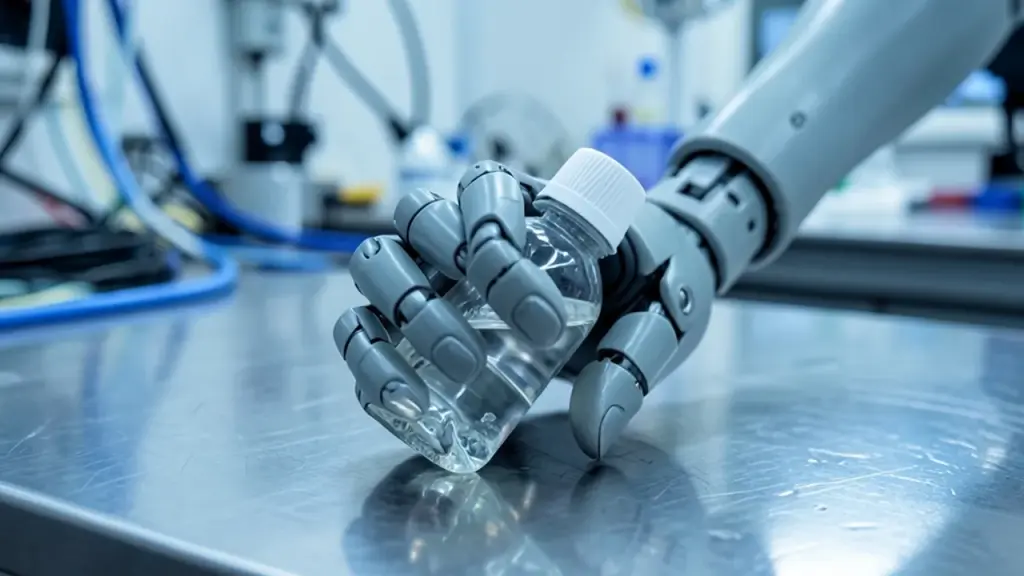
Hands: five fingers each, designed to grab small objects such as bottles.
Voice: built-in speakers so it can talk back.
That list is worth reading with some caution. None of it comes from Meta directly, and nobody outside the company has seen Max work. Meta showed the robot to some staff at an internal robotics summit in August, the report says, which suggests it was meant to impress colleagues rather than prove it can clean a kitchen.
02
Max 2 is already in the works, with stairs in mind
Meta started on a second prototype, called Max 2, in September, The Information reported. The planned changes point straight at the hardest problems in home robots:
a redesigned torso;
better hands for handling objects;
a built-in projector;
extra sensors to help it deal with stairs.
Stairs matter more than they sound. Most homes in the US, UK and Canada have at least a few steps, and a robot that can’t move between floors is stuck being a very expensive downstairs assistant. A projector is the more curious addition. Meta hasn’t explained it, but it could let the robot show information on a wall or table rather than relying on its small face screen. That’s a guess, and Meta hasn’t confirmed what it’s for.
03
Why Meta wants a body for its Muse AI
The real goal is giving Muse, Meta’s AI agent, a way to act in the physical world. According to the report, Meta sees humanoids as a body for Muse that could eventually take on household tasks. Andrew Bosworth, Meta’s chief technology officer, has reportedly described the robots internally in those terms.
Think of it this way. Today an AI assistant can tell you how to load a dishwasher. Meta’s bet is that a future version could walk over and do it. That’s a huge leap, and it explains why Meta is spending heavily around Muse. Nvidia, whose chip powers Max, agreed this week to invest $3 billion in Meta and widen their work on the agent.
Meta has been building toward this for a while. The company set up a team for robot hardware last year, with household chores as the stated long-term aim, and in May it bought Assured Robot Intelligence, a San Diego startup that makes AI software for robots. That team now sits inside Meta Superintelligence Labs, where the humanoid effort is led.
04
Why Meta turned to China’s Fourier
Speed is the obvious answer. By leaning on Fourier’s existing hardware, Meta skipped years of designing joints, motors and hands from scratch. Li-Chen Miller, Meta’s vice president of product for robotics, reportedly spent almost two months at Fourier’s factory in Shanghai while the robot was built.
Fourier isn’t new to this. In August 2025 it showed off GR-3, a 165cm humanoid it pitches as a companion robot for people such as older adults.
The partnership also raises questions. A robot that moves around your home carries cameras, microphones and a constant link to the internet. Relying on a Chinese supplier for that kind of device is sensitive in the US, where lawmakers and regulators already worry about foreign-made connected gadgets and remote access. Meta’s line that this is research only may be partly about keeping that debate at arm’s length for now.
For now, nothing changes in your home. You can’t preorder a Meta robot, there’s no price, and Meta says it has no plans to sell these units. If you see ads or listings claiming to sell a “Meta Max robot,” treat them as fake.
The longer-term picture is more interesting. Meta joins a crowded race. Tesla has started building its Optimus robots, Agility’s Digit 5 humanoid will run on Nvidia hardware, and Chinese maker Unitree is working on AI that helps its robots improve on their own. If any of them cracks safe, reliable chores, the first buyers will likely be businesses, with homes coming later.
And the hard parts are still hard. A home robot has to recognize thousands of objects, grip them without breaking them, avoid pets and furniture, and keep working when you move things around. Picking up a bottle in a demo is a long way from that.
06
Quick answers
Is Meta building humanoid robots?
Yes. A report says Meta built a prototype called Max with Fourier and started work on Max 2 in September, though Meta calls it internal research.
When will the Meta robot be released?
There’s no release date. Meta told The Information it has no plans to sell these units, and no product launch target has been set.
What chip does Meta’s robot use?
Max reportedly runs on Nvidia’s Jetson Thor, a chip designed for robots that handle sensor data on the device itself.
OpenAI now has two fresh GPT-6.1 models. Sol is the stronger thinker, Terra the fast, cheap worker. Here's how they compare on price, speed, accuracy and access.
5 min read
We use cookies to understand how readers use Talk With Tech, so we can make it better. Is that OK? Privacy policy
The Daily Brief
Today's biggest tech stories, in 5 minutes
Every morning, the news that matters from AI, phones, apps and the people shaping tech. Explained in plain English. Free.
One email a day. No spam, unsubscribe anytime. Privacy policy