Saturday, 7 November 2026

Milk frother gadget costs $14 and tops iced coffee in 30s

A battery-powered wand that costs about as much as two cafe drinks can turn cold brew into a cream-topped treat, and it mixes protein shakes too.

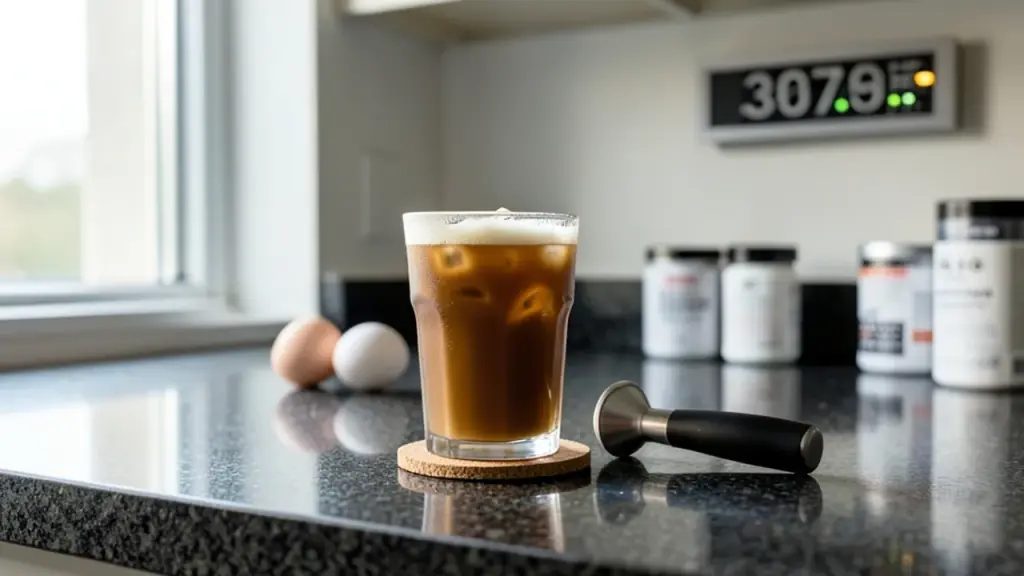
Handheld frother foaming iced coffee in bright kitchen.

The short version

  • A $14 handheld Zulay Kitchen frother running on AA batteries whips milk into foam in roughly 30 seconds to a minute.
  • It makes the cream top style of iced coffee, a drink that grew out of the Viennese Einspänner and became a hit in South Korea.
  • Nonfat milk foams more and holds longer than richer milk, because it has more protein relative to fat.
  • Countertop frothers cost more and can heat milk, but a single hot batch can take about three minutes.
Quick read · 2 min

A $14 handheld milk frother has become a favorite cheap kitchen gadget for people who like cafe-style iced coffee. The Zulay Kitchen wand runs on AA batteries and whips cold milk into foam in about 30 seconds to a minute, slowing down as the batteries fade.

It is ideal for a cream top, an iced coffee with a soft layer of sweet cream on top. The style comes from the Viennese Einspänner, became popular in South Korea and then spread to the US. Nonfat milk foams best, and concentrated cold brew has enough flavor to match it.

  • Froth half a cup of cold nonfat milk, let it rest a minute, then spoon it on.
  • Add heavy cream and vanilla syrup for a richer topping.
  • Use the same wand for eggs, protein shakes and hot chocolate.

Countertop frothers can heat milk and suit hot latte fans, but they cost more and take longer per batch.

The kitchen gadget that won over a coffee drinker who had taken it black for more than 20 years was not an espresso machine. It was a $14 battery wand that turns milk into foam in about half a minute.

That matters if you spend real money on iced lattes and cold foam drinks at coffee chains. A milk frother gadget this cheap lets you build the same kind of drink at home with cold brew from the fridge, and once you own it, each cup costs you little more than the milk. It also earns its drawer space by mixing other things you probably already make.

01

How a $14 milk frother gadget makes cold foam

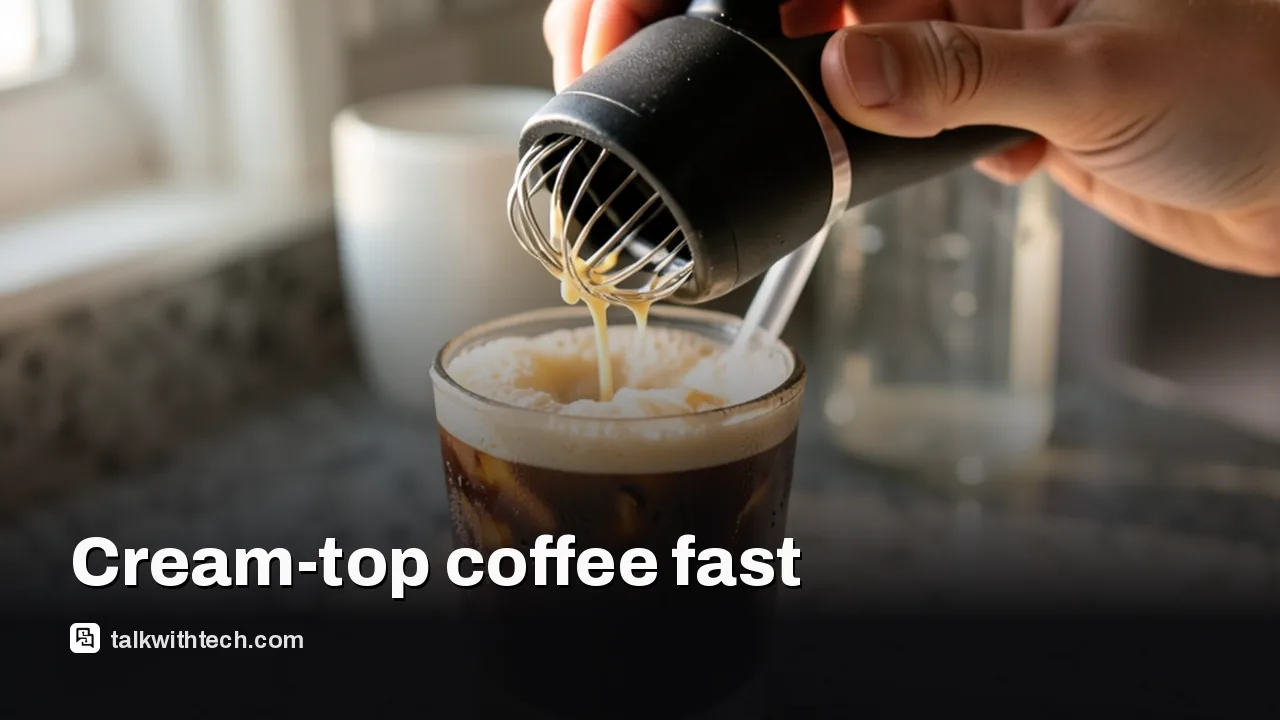
A handheld frother is basically a tiny whisk on a motor. It looks and works a lot like a stick blender: you pour milk into a glass, dip the head in, and hold the button down until the foam is as thick as you like.

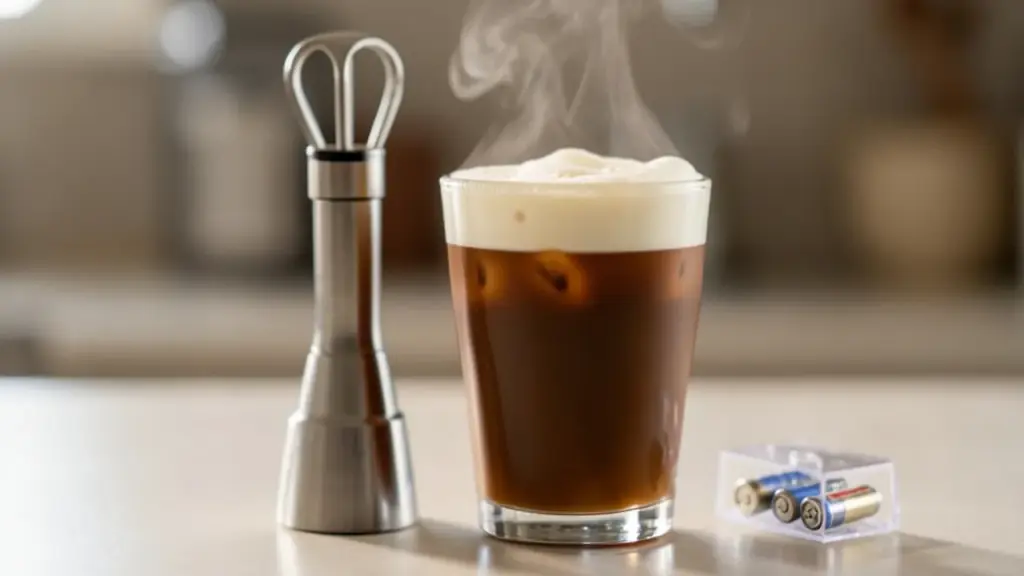
The model in question is the Zulay Kitchen frother, which runs on disposable AA batteries. With fresh batteries it reaches a good texture in roughly 30 seconds to a minute. As the cells run down, the motor slows and the job takes longer. That slowdown is actually useful: if you find yourself waiting and getting impatient, it is your cue to swap in new batteries.

There is no heating, no pitcher to wash and nothing to plug in. Rinse the whisk head under the tap and it goes back in the drawer.

Different angle of DIY cold foam iced coffee setup.
02

What a cream top is, and why it caught on

The drink that sold one home barista on the frother was a cream top: an iced Americano with vanilla cream floated on top, tasted at a small cafe in Los Angeles’ Koreatown. The goal at home was to copy it.

The cream top traces back to the Einspänner, a Viennese espresso drink whose name refers to a carriage pulled by a single horse. In the original hot version, whipped cream sat on top like a lid and helped keep the coffee warm for drivers working in the cold. The idea later took off in South Korea, where cafes made all sorts of mostly iced variations, and from there it reached the US, where Starbucks’ cold foam drinks had already made people comfortable with foam on cold coffee.

What makes a cream top different is the texture. It sits between airy latte foam and dense whipped cream, so it melts and drips slowly into the coffee instead of staying on top like a hat or vanishing in seconds.

03

Which milk and coffee give you the best foam

Lower fat milk usually gives you more foam. Food scientist and dietitian Jennifer Pallian explains that frothing traps air bubbles inside a thin film of water and protein, and nonfat milk carries more protein relative to fat, so it tends to produce a bigger, steadier foam than richer milk does.

A simple routine looks like this:

  • Pour about half a cup of cold nonfat milk into a glass.
  • Froth for around 30 seconds, until it is thick.
  • Let it rest for a minute so it firms up, then spoon it over your drink.

For a sweeter, richer cream top, mix some heavy cream and a little vanilla syrup into the nonfat milk before frothing. Caramel syrup works the same way.

Your coffee needs enough flavor to stand up to the foam. Without an espresso machine, concentrated cold brew does the job, and some recipes suggest powdered espresso instead. One favorite experiment was a copy of a Starbucks ad: cold brew with coconut ube cold foam, dusted with toasted coconut flakes.

Plant milks can be trickier. Almond and oat milk have weaker protein and fat structures, so they can struggle to hold a stable foam, although barista blends made for frothing tend to behave better.

Everyday use of budget frother for drinks and more.
04

What this means for your coffee habit and your wallet

For most people the case for a cheap frother is simple. It costs about the same as a couple of cafe drinks, it works with coffee you can make in bulk, and it lets you control the sugar and the milk in every cup.

Cold foam can also be the lighter choice. A serving of Starbucks cold foam has 35 calories and no fat, compared with 60 calories and 6 grams of fat for a serving of its whipped cream. The trade-off is flavor: fat carries taste, so cold foam feels lighter and a little less rich than a cream topping.

The frother is not a one-trick tool, either. It blends hot chocolate without lumps, whisks eggs, and stirs creatine or protein powder into a shake.

05

When a pricier milk frother is worth it

You can spend far more than $14, and some people should. Countertop frothers are jugs with a spinning whisk inside and a heating base underneath. They can make hot foam for cappuccinos as well as cold foam, and some offer several foam levels and temperatures at the touch of a button.

That convenience has costs. One tested countertop model, the Instant Pot 9-in-1, made thick, steady foam from both whole milk and oat milk, but a batch of extra hot foam took about three minutes, longer than the coffee itself. Its heated base also left some residue in the pitcher after a couple of rounds, which needs washing.

If you mostly drink iced coffee and want foam on top, the handheld wand is the better value. If you drink hot lattes every morning or make drinks for a family, a heated jug starts to make sense.

You also don’t need a gadget at all to try it first. Shaking nonfat milk hard in a mason jar that is only half full will foam it, and pumping a French press plunger up and down works too. A hand blender can do it, but it tends to leave bigger bubbles.
06

Quick answers

How long does a handheld milk frother take?

With fresh AA batteries, about 30 seconds to a minute. It gets slower as the batteries wear down, which tells you when to replace them.

Can I make cold foam ahead and keep it in the fridge?

Not really. Cold foam loses its airy texture as it sits, so it is best made fresh right before you drink.

Does a cheap frother work for hot drinks?

Yes, it can mix hot chocolate and froth milk you have warmed separately, but it has no heater. For hot foam at the press of a button, you need a countertop model.

You're reading the quick version.