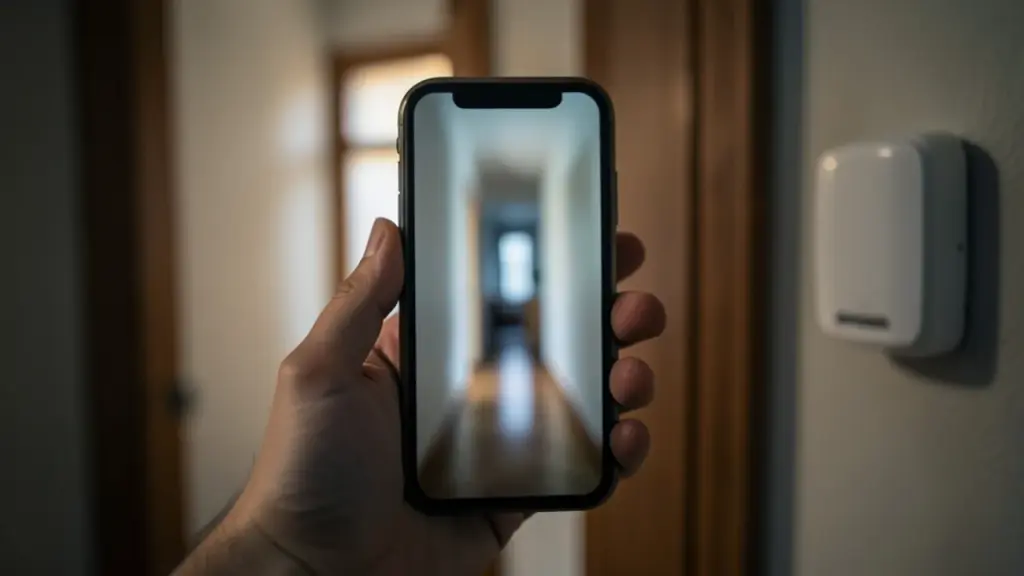
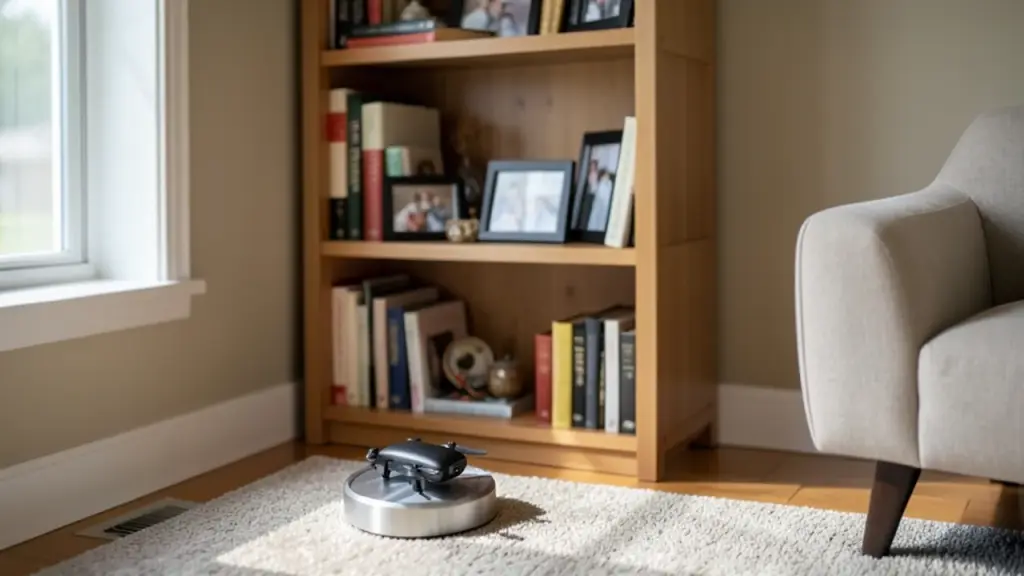
For most buyers, the question is less about flight time and more about having a flying camera inside the house. Ring says privacy is the default here. The camera is shuttered and switched off while docked and only records when a flight is triggered.
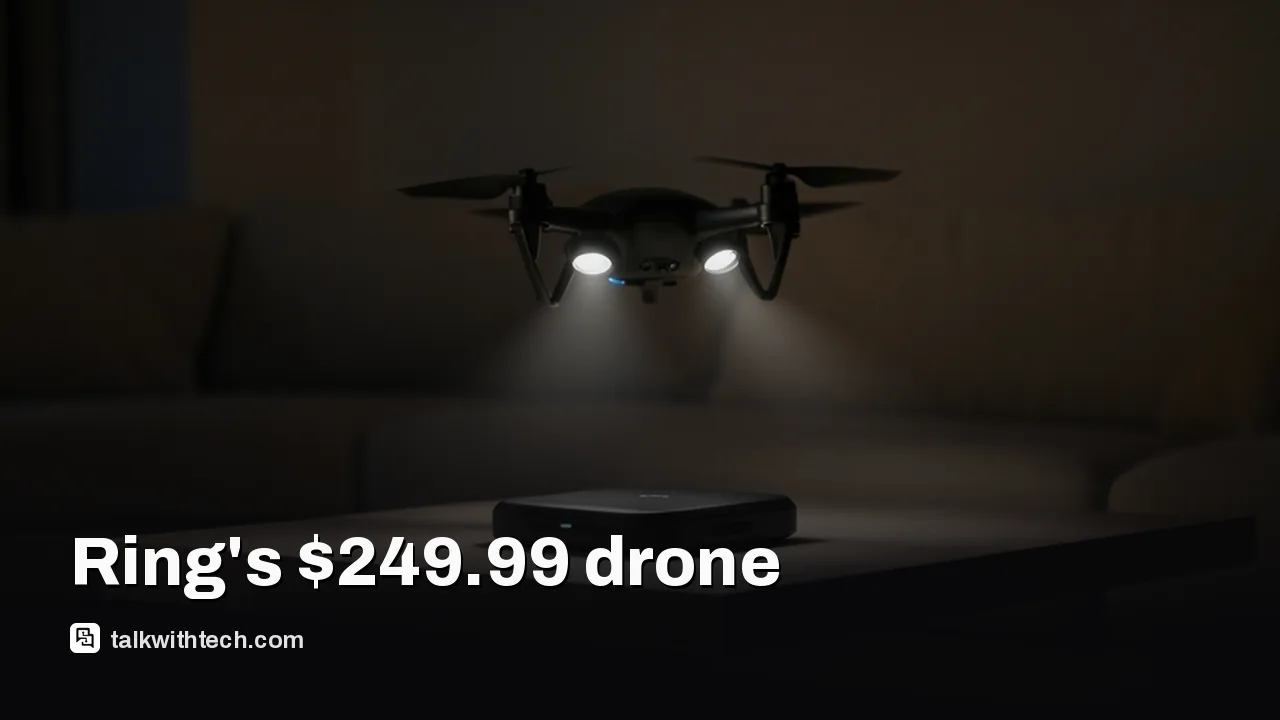
It is also loud on purpose. Siminoff says the buzz, plus its moving spotlights, should scare off intruders and make it impossible for anyone to snoop quietly from afar. Hands-on testers described the noise as hard to miss, and pets may not love it either.
Video is protected by what Ring calls TAKE (Throw Away the Key Encryption). In plain terms, Ring swaps the encryption keys every five minutes and deletes its own copies after 24 hours. Ring does hold the key briefly so its cloud AI features can work, which means this is not the same as true end-to-end encryption, where only you can ever see the footage. Every Ring account requires two-factor login.
Ring’s history matters too. The company has faced an FTC settlement over staff viewing customer footage, and critics have long questioned its work with police. An Electronic Frontier Foundation activist says anyone considering the drone should think about how it would feel for family members and guests.
On the legal side, the drone is well under the 250-gram limit, and because it only flies indoors it doesn’t need registering with the Federal Aviation Administration. Ring says it is assembled in Texas and complies with US rules on foreign-made drones, though it was still going through FCC certification at launch.