A study based on blood tests from active‑duty Army members suggests up to 25% could test as low testosterone under blanket screening.
Experts warn blanket screening may cause unnecessary medical evaluations, misdiagnoses, and potential harm, including infertility.
Defense Secretary Pete Hegseth announced plans for mandatory screening; the Pentagon has issued clinical guidance, but medical groups oppose blanket use.
Quick read · 1 min
A JAMA study found that as many as 25% of active‑duty Army members could test low for testosterone under mandatory screening, even though actual prevalence is likely much smaller. Medical experts warn blanket screening could trigger unnecessary tests and potential harm.
The Pentagon has issued clinical guidance, but major medical groups oppose blanket screening for asymptomatic individuals. The debate is about whether the policy does more good than harm, and what happens if a test result leads to overtreatment.
For readers, this story is a reminder that tests can create more questions than answers. If you’re worried about testosterone, talk to a clinician who can evaluate symptoms in context and explain what a result means and what the next steps would be.
One in four active‑duty Army members could be flagged for low testosterone under a mandated screening program, despite the true rate of the condition being much smaller. That’s the takeaway from a JAMA study described as eye‑opening by medical experts, who caution that blanket screening could lead to a cascade of unnecessary tests and potential harm.
Defense Secretary Pete Hegseth announced a plan for mandatory testosterone screening earlier this year, hoping to catch treatable issues early. But the new study suggests many flaggings would be false positives or would flag men who do not need treatment. The Pentagon has published clinical guidance, yet major medical groups have pushed back, arguing that screening asymptomatic men is not supported by current evidence.
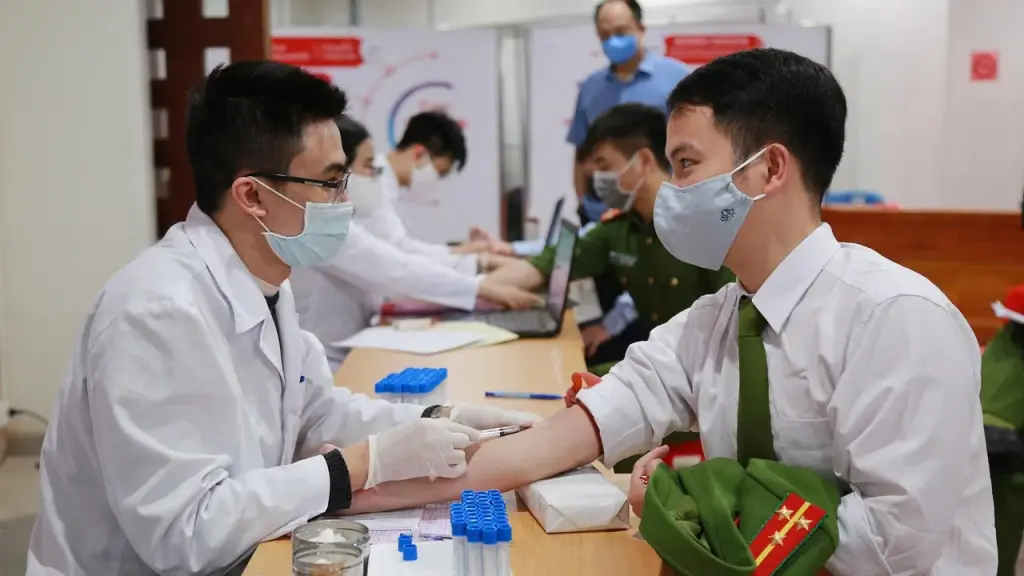
The study looked at data from a large military health survey, focusing on morning, fasting blood draws from five Army installations. Researchers measured total testosterone in 479 active‑duty male service members, applying statistical weighting to reflect the broader force. The group had an average age around 30 and a body mass index in the overweight range. Three men were excluded because they were already on testosterone therapy.
01
Which soldiers would be affected first
The interviews and blood tests were drawn from a specific sample within the Army rather than the entire military. Even so, the researchers say the findings raise a real concern for how blanket screening could play out in practice: many service members who test low may not have symptoms, and those symptoms can be vague or non‑specific.
02
Why doctors worry about blanket screening
Medical groups have long cautioned against screening people without symptoms. They say low testosterone can be due to a range of factors, including obesity, sleep loss, or chronic illness, and a single test doesn’t always paint the full picture. The risk, these experts warn, is overtreatment and unnecessary procedures that can affect fertility and overall well‑being.
03
What this means for the policy
Even with the Pentagon’s clinical guidance, the JAMA study adds fuel to the debate about whether blanket screening is appropriate. If the plan moves forward, many service members could undergo follow‑up testing, endocrine consultations, and perhaps inappropriate interventions based on a test result that doesn’t reflect a real medical need.
04
The everyday impact: what readers should know
For non‑military readers, this raises a broader point about medical screening in general: tests can flag things that aren’t harmful and lead to more tests that may do more harm than good. If you or someone you know is considering a testosterone test without clear symptoms, talk to a clinician about what the result might mean and what a positive test would actually change in treatment decisions.
Public discussion is likely to intensify as lawmakers, military health officials, and independent researchers weigh the benefits and risks of blanket screening. If the policy advances, expect more guidance on when testing is appropriate and how to interpret results responsibly.
06
Quick answers
Will this affect the Army’s policies right away?
The study adds questions to the ongoing debate, but it does not itself change policy. It may influence how the Defense Department weighs the pros and cons of blanket screening.
What should I do if I’m worried about testosterone levels?
If you have symptoms such as fatigue, reduced sex drive, or mood changes, talk to a clinician. A single testosterone test isn’t conclusive; doctors consider symptoms, timing, and other health factors before deciding on a course of action.
JPMorgan Chase says third‑party AI assistants can’t access customer accounts or move money, signaling a big hurdle for AI helpers that promise to manage everyday banking tasks.
From 6 November, possession or publication of porn showing strangulation, incest, or adults role-playing as under 16 will be illegal in England and Wales.