Gigabyte’s new BIOS extends compatibility for Intel’s coming processors to specific LGA 1700 boards.
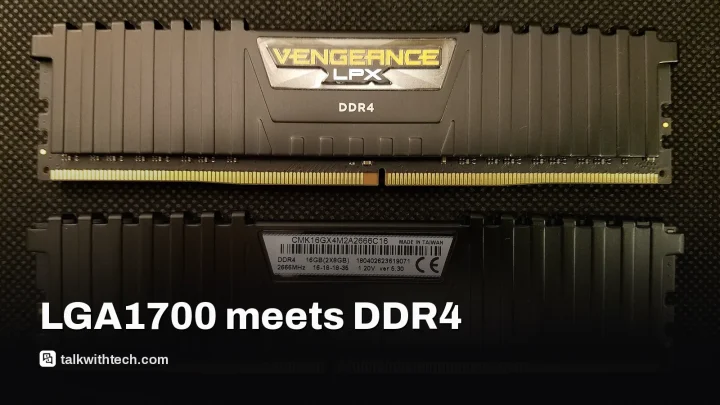
The update supports both DDR4 and DDR5 memory, offering builders flexibility to reuse existing RAM.
Some boards such as Z690, Z790, and B660 aren’t listed in the update.
Intel reportedly plans a third refresh of Raptor Lake for early 2027, with possible Core 200 branding.
Quick read · 1 min
Gigabyte’s BIOS update may let some LGA 1700 boards run Intel’s next-gen CPUs while supporting DDR4 or DDR5 RAM. This could ease the upgrade for budget-minded builders.
The update covers B760 and H610 boards, with no mention of Z690, Z790, or B660. Exact SKUs, pricing, and models aren’t disclosed yet.
Look for official details from Intel and Gigabyte as 2027 approaches. If you plan an upgrade, you might reuse existing RAM and avoid a full platform swap.
Gigabyte says its latest BIOS release would enable support for Intel’s upcoming processors on a subset of LGA 1700 boards, specifically B760 and H610 families. Owners who install the new firmware could upgrade to the next-generation CPUs without changing their motherboard. The notable point is that the update covers both DDR4 and DDR5 memory configurations, letting users keep their current RAM if their board is compatible.
Allowing DDR4 alongside DDR5 matters for budgets. If you already own DDR4 memory, you may be able to boost performance without buying new memory, which could help offset the cost of a platform refresh as newer CPUs arrive.
Gigabyte did not publish SKUs, exact CPU models, or pricing for the upcoming lineup. The timing aligns with prior chatter about Intel’s Raptor Lake.Next refresh for the LGA 1700 socket and an early 2027 window. An Intel executive has previously stressed ongoing demand for DDR4 among budget buyers, suggesting this plan would broadens the pool of eligible systems.
For readers, this could mean a smoother upgrade path if you’re on an LGA 1700 board and want to move to the next generation while retaining your RAM setup.
What happens next: look for formal confirmations from Intel and Gigabyte about specific SKUs, performance targets, and pricing as 2027 approaches.
01
Which CPUs get the update first
Gigabyte’s notice centers on B760 and H610 boards with the LGA 1700 socket. While it confirms broad compatibility for the upcoming processors, it does not name exact models or performance figures yet. More details should come as official plans firm up.
02
Why this matters for memory costs
Keeping DDR4 support alongside DDR5 could soften upgrade expenses for those who don’t want to replace RAM right away. Reusing existing memory means a smaller bump in total parts and price when moving to the next-gen CPUs.
03
What this means for your upgrade today
Right now this is a heads-up for anyone with an LGA 1700 board and DDR4 memory who plans a future CPU swap. The actual models, pricing, and performance will depend on Intel’s final rollout and which boards are ultimately certified.
04
What happens next
Watch for official confirmations from Intel and Gigabyte about SKUs, performance targets, and exact memory compatibility as 2027 approaches. If you’re planning an upgrade, you may be able to reuse your RAM and avoid a full platform swap.