A civil complaint was filed on Oct. 5, 2026, accusing Polymaker of courting the ghost gun community through targeted marketing.
The suit contends the moves could turn ordinary PLA filament into firearm components, a claim tied to how products are marketed rather than the material itself.
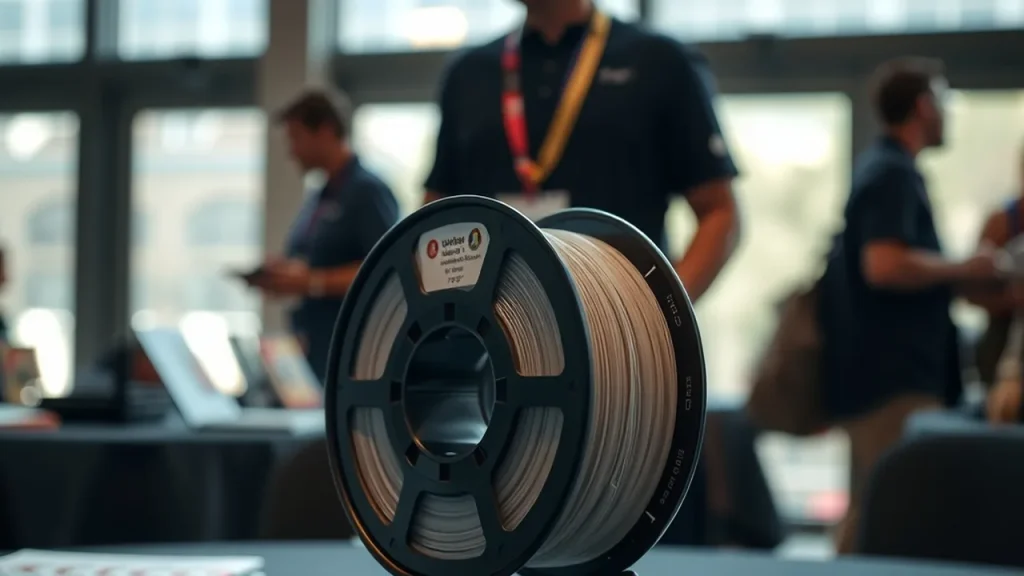
Polymaker is said to have engaged Sean Aranda, a figure associated with 3D printing gun circles, to grow its online presence at events and through partnerships.
Authorities seek profits, civil penalties and measures to curb certain business practices tied to this marketing approach.
Quick read · 2 min
California has filed a civil case against Polymaker, accusing the company of marketing to the ghost gun community in a way that could tie standard filament to firearm parts. The action, filed on Oct. 5, 2026, asks for penalties and changes to how the company conducts marketing to hobbyists.
The case centers on whether such marketing crosses into aiding illegal firearm construction, not on the filament itself. If the court agrees, Polymaker could face financial penalties and orders to change practices.
For everyday makers, this signals a tighter line between product promotion and activities that could be misused to build illegal weapons. Stay informed about who you follow and how sponsorships are disclosed.
Stay tuned to see how Polymaker responds and what remedies the court selects next.
What you can do now
Review creator sponsorships and ensure disclosures are clear so content isn’t steering toward risky uses.
Creators should be transparent about partnerships and avoid marketing that could implicate illegal activities.
California has filed a civil action against Polymaker, a major maker of 3D printing filament, alleging the company marketed its products to the ghost gun community in a way that could help turn generic filament into firearm components. The suit was filed on Oct. 5, 2026, on behalf of California’s people, in a San Diego County court.
prosecutors argue that Polymaker’s marketing tactics and creator partnerships crossed a line by actively engaging gun enthusiasts and monetizing that audience. The complaint highlights an association with Sean Aranda, who is known in 3D printing circles and has been involved in community events tied to Polymaker. The filing suggests these efforts were aimed at promoting the idea that filament could be used in ghost gun assembly, beyond simply selling plastic material.
California emphasizes that while filament itself is legal to buy, the marketing approach could facilitate illegal firearm construction by connecting consumers with an online community and creators who promote such use. If the court sides with the state, Polymaker could face remedies including disgorgement of profits, civil penalties and injunctive relief to curb certain business practices.
01
What is a ghost gun, and why does it matter?
A ghost gun is a firearm that can be finished from parts or kits without serial numbers. The case centers on whether a filament maker’s marketing choices could be considered aiding the creation of such weapons, even though the filament is just a common printing material. This matters to buyers who want to know if purchases could be tied to illegal activity or lead to more restrictions on what they can buy online.
02
What the complaint alleges Polymaker did
The filing accuses Polymaker of cultivating the ghost gun community and using affiliate-like links and creator partnerships to monetize those ties. It notes a sponsored creator spool and the hiring of a community figure to oversee customer interactions and attend related events.
03
Implications for Polymaker and creators
If the case advances, the company could face financial penalties and orders to adjust business practices. Content creators who work with Polymaker or similar brands may face questions about sponsorships and disclosures, and about the kinds of communities they engage with.
04
What this means for everyday makers
For readers, the case highlights a broader question about where marketing ends and activities that could facilitate illegal equipment begin. When you buy filament or other 3D printing supplies, be mindful of how materials are framed in marketing and what disclosures accompany sponsorships.
The case will proceed through the state court system. Polymaker has not issued a public statement here, and there is no ruling yet. Expect updates on how the court handles the claims and what remedies, if any, are imposed.
06
What you can do now
• Check any sponsorships or creator partnerships you follow in the 3D printing space for clear disclosures and responsible marketing.
• If you are a creator, be transparent about sponsorships and avoid content that could be seen as promoting illegal use of materials.
07
Quick answers
What is the core issue here?
Whether Polymaker’s marketing to the ghost gun community could be considered aiding the creation of firearm parts, beyond simply selling filament.
What is the outcome expected?
The suit seeks profits, penalties and changes to business practices, but no final ruling has been issued yet.
Apple flags a Tuesday NYC event that could unveil a collaboration with ADT and a new home hub, stirring questions about how you manage security devices.
A global health commission flags malicious AI use and nuclear conflict as top existential risks, alongside climate and poverty, urging leaders to act now.