Saturday, 10 October 2026

Drones explained: what they are, how they work, and why you’re hearing about them now

Drones are more common and capable than many people realize. Here’s a plain-language guide to what they are, how they function, and why recent drone strikes and wildfire work with them are making headlines.

Large data center building with many racks

The short version

  • Drones are flying devices that can be controlled remotely or fly autonomously using onboard sensors and software.
  • Recent events show drones used to hit data centers and map heat signatures in wildfires, highlighting infrastructure and safety risks.
  • For everyday readers, drones affect privacy, security of online services, and how emergency responders protect people and property.
  • Understanding drone basics helps people evaluate safety, privacy, and how authorities plan to respond.
Quick read · 1 min

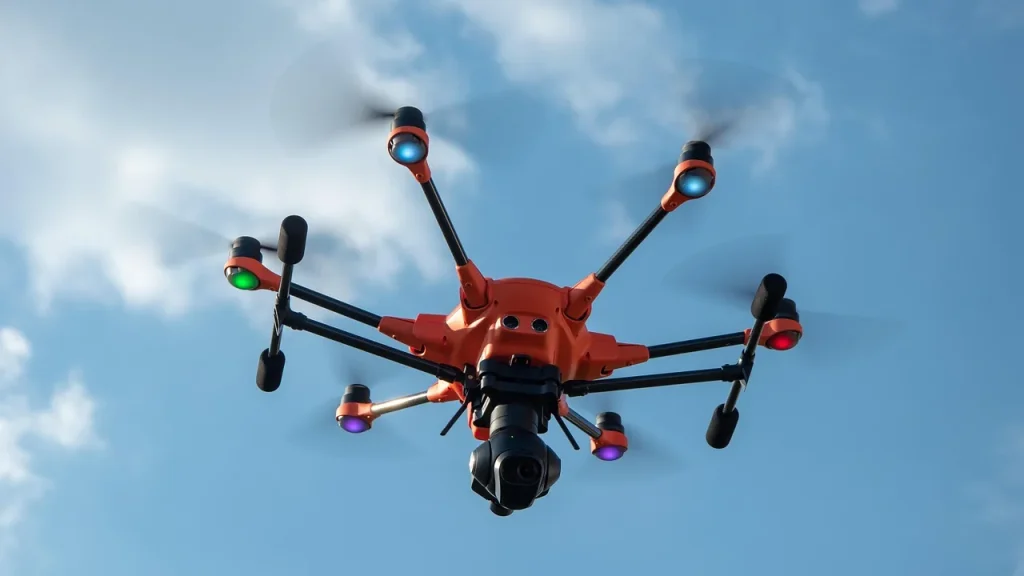
Drones are unmanned flying machines that can be guided from the ground or programmed to follow routes. They can carry cameras, heat-sensing gear, and other tools, letting crews inspect hard-to-reach places, map heat in wildfire zones, or monitor critical infrastructure from the air.

Two recent events highlight their broad impact: drone strikes damaged Yandex data centers in Russia, showing how physical attacks can disrupt online services, and thermal drones in the Cairngorms helped locate underground heat after a wildfire, guiding ground crews to where water or digging is needed.

For you, that means faster responses to emergencies, a stronger focus on protecting cloud services you rely on, and growing attention to where and how drones can be used safely and privately.

  • Infrastructure security matters for everyday internet use
  • Privacy and flight rules are likely to tighten
  • Thermal drone work could become more common in firefighting

Drones are unmanned aerial vehicles that can fly, collect data, and carry out tasks without a human aboard. They range from small consumer models to larger, professional systems used for surveying, delivery, or emergency work. Think of them as agile, camera-equipped robots that can reach places people can’t easily access.

01

What it is

In plain terms, a drone is a flying machine that you operate from the ground or program to follow a route. It often comes with cameras, sensors, and software to help it navigate, avoid obstacles, and relay information back to a controller. Some drones stay in the air for minutes, others for hours, and some carry tools like thermal cameras for heat sensing or sensors that map radiation, air quality, or video feeds.

Drone with thermal camera scanning a forest
02

How it works

A drone blends three key parts: the aircraft itself, the controller or control software, and the data or footage it collects. The aircraft uses propellers and a lightweight frame to stay aloft. The operator wires it in or programs it to follow a flight plan. Onboard sensors help it avoid obstacles, while the camera or heat-sensing gear records what’s happening below. Data is sent back to the operator or uploaded to cloud services for analysis. In missions that need precision, crews pre-program fixed routes and repeat flights so they can compare results over time and track changes at the same spots.

03

Why it’s in the news right now

Two recent stories show how drones touch everyday life and critical infrastructure. First, drone strikes damaged major Yandex data centers in Sasovo and Kaluga, temporarily disrupting services tied to the company’s cloud and AI tools. That underscores how physical attacks on data centers can ripple into online services people rely on even if the core functions stay online. Second, researchers in the UK have used thermal drones in the Cairngorms to map underground heat after a wildfire. The goal is to find hidden embers before they reignite, allowing ground crews to target specific spots rather than blanket an area.

Ground crew using drone data to locate hot spots
04

What it means for you

For everyday readers, drones boil down to three practical points. One, infrastructure risk: as more services rely on remote data centers, physical protection and quick recovery plans matter for outages you might notice in apps, banking, or transit. Two, privacy and safety: drones can record footage and collect sensor data, so people will hear more about where and when they’re allowed to fly. Three, emergency response: drones can speed up detection and response for wildfires or floods, potentially limiting damage and speeding up protections for nearby residents.

05

What happens next

Expect ongoing discussions about drone security, safe flight rules, and resilience of critical services. In the data-center cases, expect providers to detail their recovery timelines and backup routes, while observers watch how well services rebound after outages. In wildfire work, look for refinements in flight planning, repeatable routes, and broader adoption of thermal sensing to prevent rekindles in other forests or parks.

06

Quick answers

What exactly is a drone?

A drone is an unmanned aircraft that can be controlled remotely or fly on autonomous flight plans, often equipped with cameras or special sensors.

Why are drones suddenly in the news?

Recent strikes on data centers show how drones can affect online services, while wildfire work shows drones helping avoid renewed fires long after flames are gone.

You're reading the quick version.