Monday, 12 October 2026

EV range drains most when you haul heavy loads, what to do

Highway speeds, extra weight, and climate control can shave miles off an electric car’s real-world range. Here’s how to limit the loss and keep going farther.

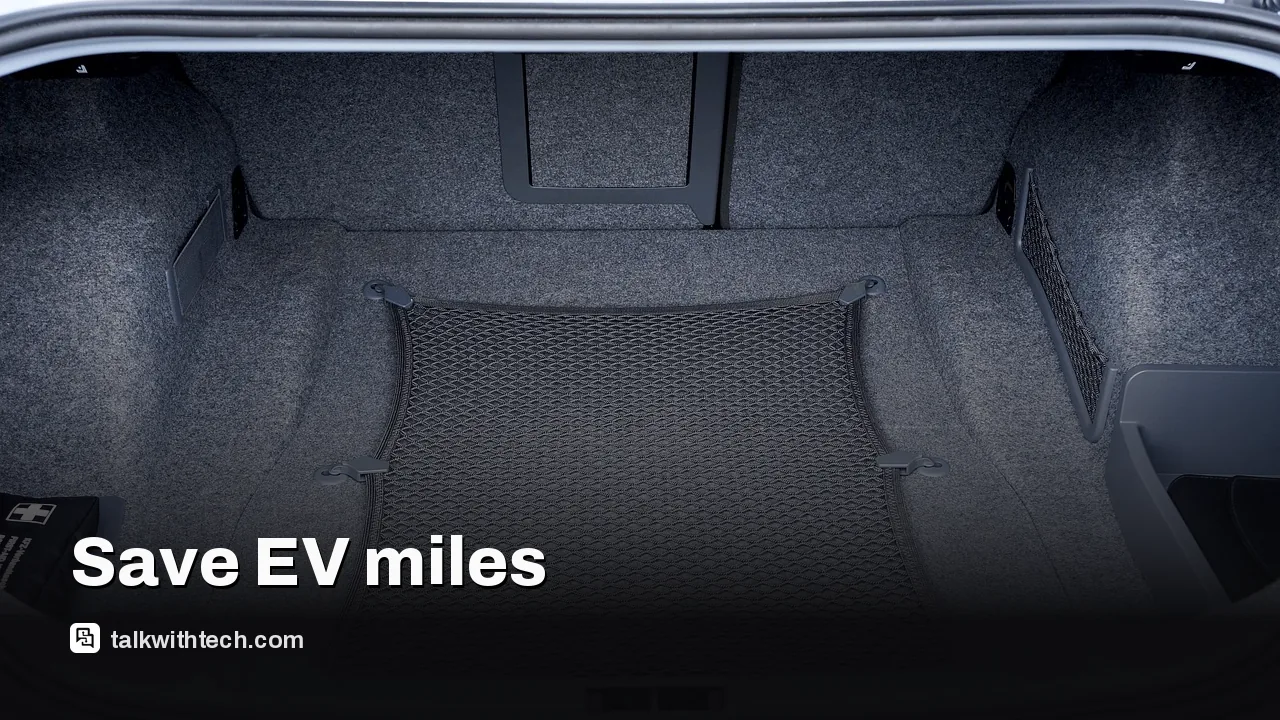
Car trunk loaded with bags showing added weight

The short version

  • Real-world range for 2026 EVs averages around 325 miles per charge, with some models exceeding 400 miles.
  • Driving on highways, carrying heavy loads, and using climate control are the biggest drains on range.
  • Lightening the load, moderating climate use, and embracing regenerative braking can extend range.
  • Smart driving habits and car settings can noticeably improve how far you travel on a single charge.
Quick read · 1 min

Electric vehicles are improving, but your driving style still matters for range. On average, 2026 EVs offer about 325 miles per charge, with some models over 400 miles. The big drains are highway speeds, extra weight, and climate control like AC and heat. To stretch your range, trim weight, drive smoothly, keep speeds moderate, and use regenerative braking. If you’re planning a long trip, plan charging stops and check the weather outlook. Automakers are also improving charging tech to boost efficiency in coming years.
Electric vehicles are getting better, but how you drive and what you do inside the car still shapes how far you can go on a charge. The latest real-world data show 2026 EVs average about 325 miles per full charge, with certain models reaching beyond 400 miles. The catch is that some common habits and conditions quietly sap that distance more quickly.

01

Where energy tends to vanish the fastest

Several factors tend to reduce range more than you might expect. Traveling at high speeds, carrying extra weight, and running climate control systems are the main culprits. It doesn’t mean you should avoid all of these things, but knowing their impact helps you plan trips and charging stops more accurately.

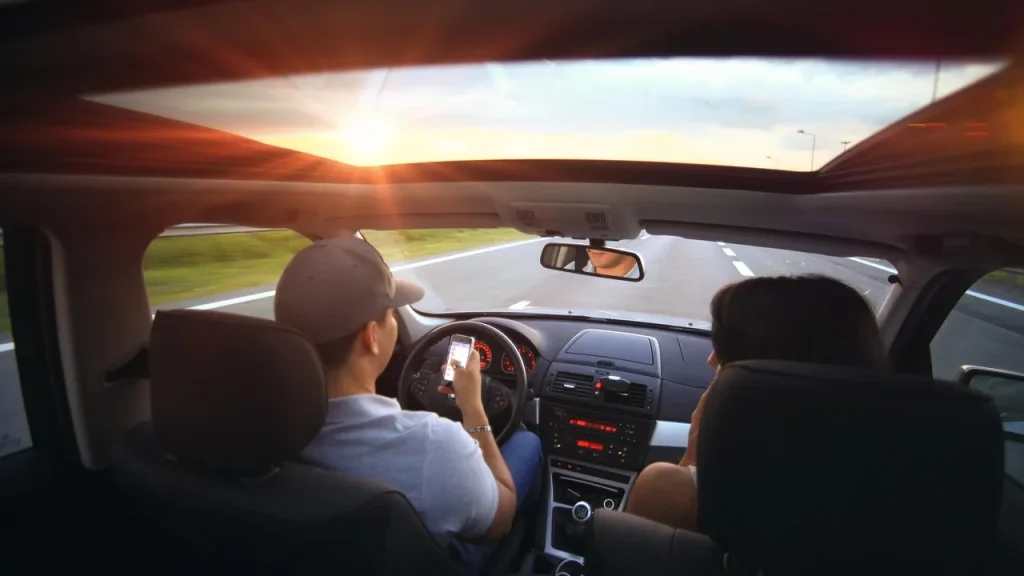
Car on highway with dashboard showing speed
02

The highway effect

Higher speeds create more aerodynamic drag, which uses more power. Quick accelerations also burn energy faster. In practice, cruising at moderate, steady speeds tends to conserve battery life better than frequent fast bursts.

03

Weight and payload matter

Extra weight makes the motor work harder and can increase drag, especially with roof racks or heavy cargo. If you’re prepping for a long ride, remove unnecessary items and lighten the load where you can.

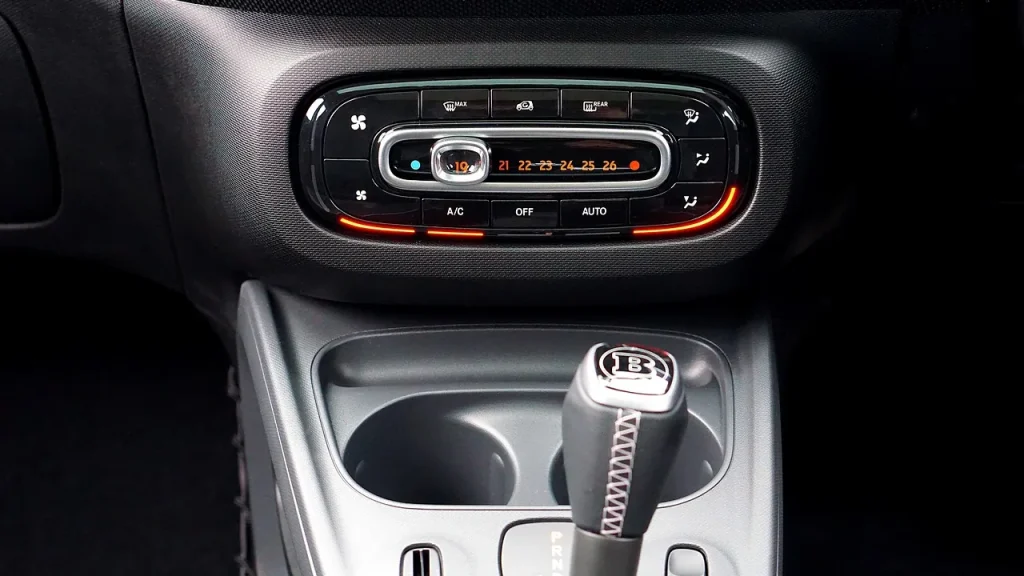
Vehicle interior with climate controls and power use display
04

Climate control and weather

Cold or hot weather affects battery performance. Heaters and air conditioning draw energy to keep the cabin comfortable, which reduces range. If you can, keep climate use modest and, when possible, charge while plugged in to offset energy use.

05

Electronics and comfort features

Navigation, heated seats, and bright screens draw power too, though their impact is usually smaller than driving behavior. Everything running in the background can add up over a long trip.

06

Regenerative braking helps, but it isn’t magic

Regenerative braking can recover some energy when you slow down, especially in city driving. It’s a helpful tool, but won’t fully compensate for heavy highway use on its own.

07

What this means for everyday drivers

Most people notice range changes when they alter driving style or climate control use. If you often drive long distances, plan charging stops and watch the forecast for temperature. If your trips are shorter, smooth acceleration and steady speed still pay off in extra miles per charge.

08

Practical tips to stretch range

  • Maintain moderate speeds and avoid aggressive acceleration.
  • Lighten the cargo; remove roof racks when not needed for highway driving.
  • Keep climate control modest and consider charging while plugged in to soften energy use.
  • Use the car’s energy-monitoring tools to spot high-consumption features and adjust.
  • Anticipate stops to maximize regenerative braking where safe.
09

What happens next

As automakers push faster charging and better thermal management, real-world range should continue to improve. Battery chemistry and software tuning will keep helping drivers get more miles out of each charge.

10

Quick answers

Which factors drain EV range the most?

Highway speeds, added weight, and climate-control use generally have the biggest impact on range.

Can I gain miles by driving slower?

Yes. A steadier, moderate pace and smooth acceleration can noticeably extend how far you get on a charge.

You're reading the quick version.