Intero Biosystems GastroScreen wins Disrupt 2026 top prize
Intero Biosystems takes TechCrunch Disrupt 2026’s top prize with GastroScreen, a lab model using tiny gut tissues to screen drugs early in development.
Intero Biosystems won TechCrunch Disrupt 2026’s Startup Battlefield Cup and $100,000.
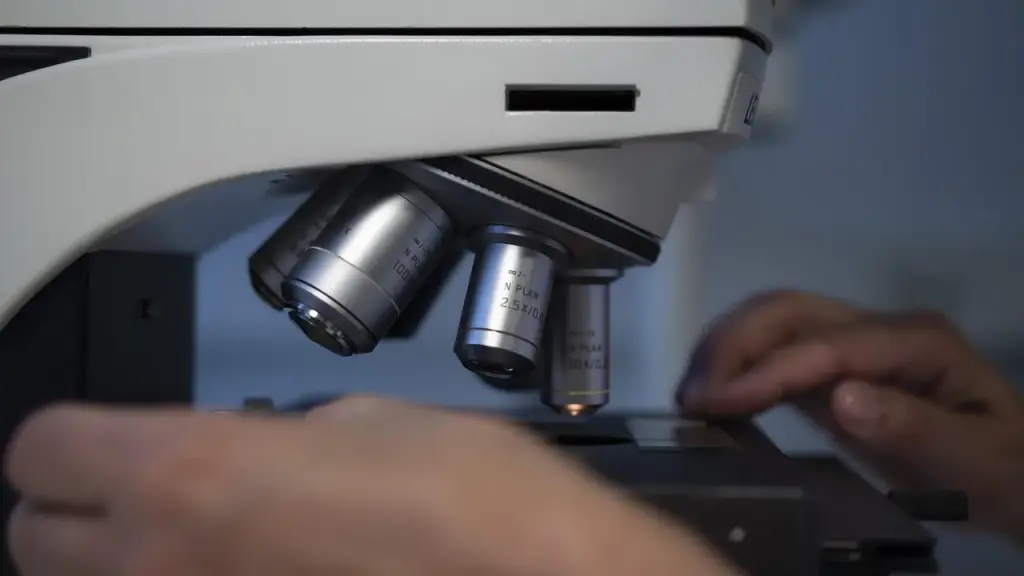
The Denver startup uses 1mm human intestinal organoids to model drug effects before human trials.
GastroScreen is the flagship product for testing drugs across pharma, biotech, food and chemical sectors.
Five finalists showcased their work, with Intero Biosystems taking the top prize.
Quick read · 1 min
Intero Biosystems won TechCrunch Disrupt 2026’s Startup Battlefield Cup and $100,000, presenting lab-grown gut tissue that mimics the human intestine to test drugs before human trials. The Denver startup’s GastroScreen aims to give companies faster, more predictive preclinical data. Five finalists pitched in San Francisco, with Apate as runner-up. Expect more funding and pilots for Intero in the coming months.
Ultimately, the win signals a growing appetite for biotech tools that translate biology closer to human outcomes, potentially speeding safe drug discovery while reducing late-stage failures.
Intero Biosystems: GastroScreen and 1mm organoids
Finalists included Apate, among others
What’s next: fundraising and product expansion
Intero Biosystems captured TechCrunch Disrupt 2026’s Startup Battlefield Cup and the $100,000 prize after a tense three-day competition in San Francisco. The Denver-based company, which spun out of the University of Michigan, pitched a novel way to study how drugs interact with the human gut: tiny, lab-grown intestinal organoids about 1 millimeter in size. Its flagship platform, GastroScreen, is designed for testing how compounds behave in the gut, with customers ranging from pharmaceutical to chemical manufacturers.
The event brought 20 startups from the larger Startup Battlefield 200 into a live-demo finale, judged by a panel of venture capitalists and industry leaders. After the judges narrowed the field to five finalists, Intero Biosystems emerged as the winner, while Apate from Australia took runner-up honors. The result underscores a growing interest in biology that can be studied outside the body in a way that may better reflect human responses than traditional cell tests.
Co-founders Charlie Childs and Madeline Eiken describe GastroScreen as a scalable, biology-first tool. They argue that organoids, miniature, simplified versions of organs grown in the lab, can reveal how a drug might affect the gut in ways that flat cell cultures cannot. While the platform is aimed at early-stage screening, the team stresses that it can support a range of compound types, from small molecules to more complex biologics, in a repeatable workflow.
Other finalists offered different bets. Apate drew attention with a software-forward approach to fraud detection, deploying AI agents that mimic scam victims to study and counter phishing and fraud. Still, the judges chose Intero for its concrete product path, near-term business traction, and potential to alter how preclinical testing is done in biotech and pharma.
TechCrunch Disrupt’s Battlefield format has a track record of spotlighting startups that go on to raise serious money or reach exits. For Intero, the win is a signal to investors and customers that there is appetite for human-relevant models that can shorten the time to safe, effective medicines while potentially lowering costs.
01
What GastroScreen is supposed to do
GastroScreen centers on 1mm human intestinal organoids to simulate how the gut responds to different substances. The idea is to generate more human-relevant data early in development, potentially catching safety or efficacy issues sooner than traditional lab tests. If adopted widely, it could help companies prune ineffective candidates earlier and speed up the overall drug-development timeline.
02
Why the judges picked Intero
Five finalists made it to the finale after a high-pressure set of live pitches. While Apate impressed with its fraud-fighting concept, the judging panel rewarded a biotech tool with a clear, scalable business plan and real-world applications. Intero’s combination of solid science, a viable path to revenue, and a vision for changing preclinical work helped seal the win.
03
What this means for readers
For everyday readers, the takeaway is a sign that biotech tools are moving closer to real-world uses. If GastroScreen proves its case across customers, it could speed up safe drug development and possibly lower costs over time. It’s no guarantee of faster approvals, but it signals a practical shift toward biology that better mirrors human responses.
04
What happens next
Intero plans to keep fundraising momentum and expand GastroScreen’s reach with additional pilots and manufacturing capacity. The Battlefield win typically helps draw attention from investors and potential customers who want to see real-world data and case studies. Expect updates on pilot programs and regulatory milestones in the months ahead.