Cell-site simulator warrants were used to find a protest reporter
Warrants authorized the use of cell-site simulators to locate a college student linked to protest coverage, raising concerns about dragnet data collection.
Federal warrants allowed the use of cell-site simulators to locate a suspect tied to a protest and coverage of it.
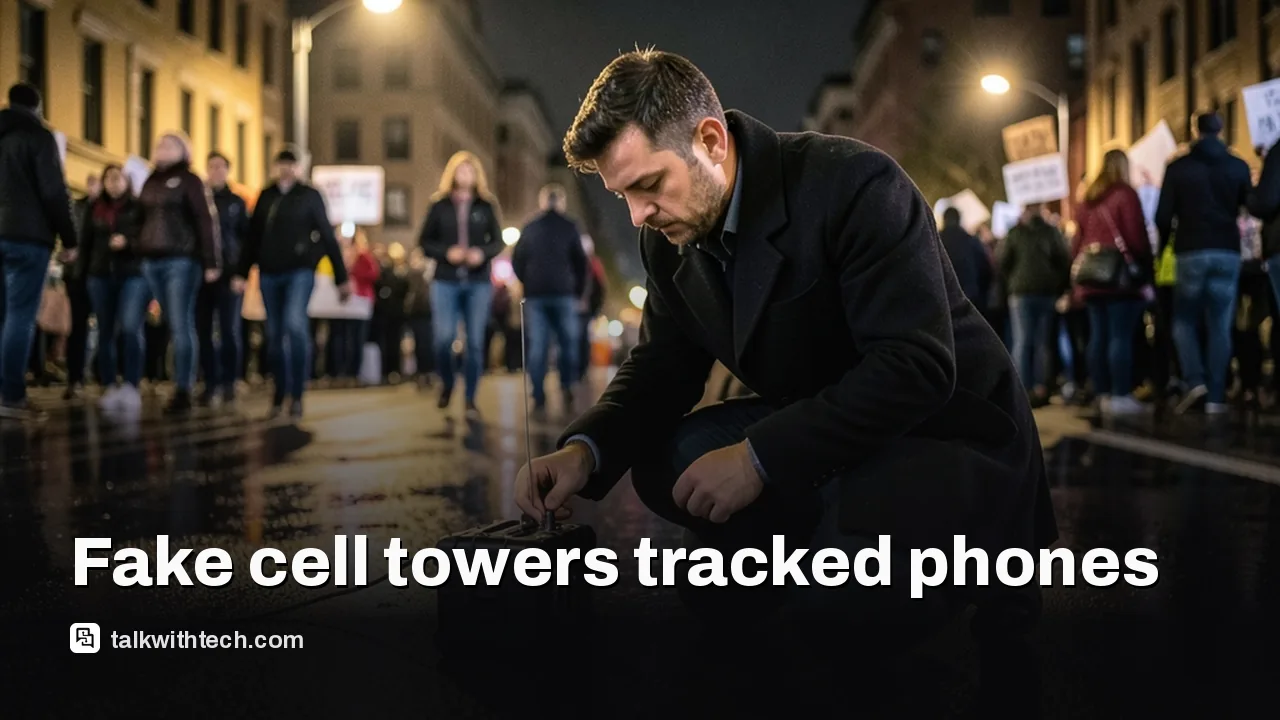
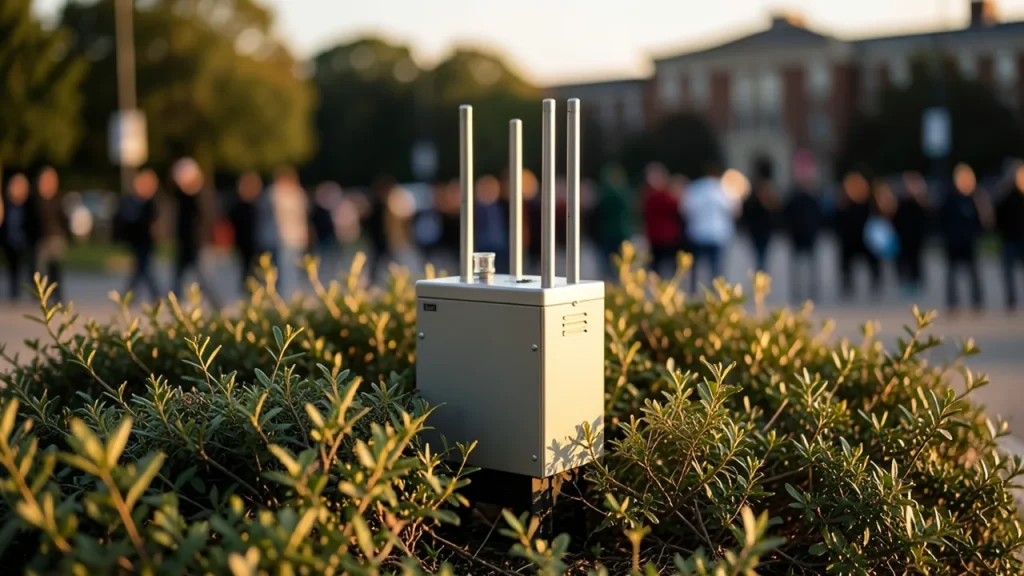
Cell-site simulators mimic cell towers and can gather data from nearby devices, not just the targeted phone.
Privacy advocates question oversight, and potential misuse in protests or journalism contexts.
Quick read · 1 min
Federal warrants authorized the use of cell-site simulators, devices that imitate cell towers to locate a phone, in connection with a protest and its coverage. The warrants were issued in Minnesota and Pennsylvania in late January. The case highlights concerns about broad data collection from bystanders.
The technology can sweep up information from people nearby, not just the target. Privacy advocates call for clearer oversight as courts consider limits on how and when these tools can be used.
What happened: warrants to deploy cell-site simulators to locate a protest and media coverage participant.
Why it matters: the tools can collect data from bystanders, raising privacy concerns.
Next steps: expect ongoing debates about oversight and legal boundaries.
Federal authorities obtained warrants to deploy cell-site simulators, devices that imitate cell towers to pinpoint a phone’s location, in connection with a protest and its coverage. The warrants were issued in Minnesota and Pennsylvania in late January as part of the investigation surrounding Cities Church in St. Paul. The target is described as a 21-year-old college student who helped produce coverage of the protest involving a focus on immigration enforcement efforts.
Cell-site simulators, often called Stingrays, can locate a device by emulating a cell tower and measuring signal characteristics. But they can also collect data from nearby phones that aren’t part of the investigation, which is why privacy groups worry about broad, dragnet-style surveillance and the lack of clear public accountability.
The records reviewed do not clearly show whether investigators actually used the devices or whether the warrants were approved for gathering evidence. In a separate letter, lawyers for journalists cited uncertainties about whether the surveillance orders were granted or yielded results. DHS policy says the tool should be used only when it meaningfully advances public safety, but specifics about this case remain murky.
01
What exactly are cell-site simulators and why do they matter?
Cell-site simulators imitate cellular towers to locate a phone by signaling strength and timing. They can reveal a target’s location with precision, but they can also capture information from bystanders, including phone numbers and movement patterns. That broad data capture is why privacy groups worry about misuse and the lack of transparency in how warrants are issued or used.
02
What the warrants say and what’s not clear
Documents show warrants sought to locate the student and potentially obtain data from others connected to the protest and its media coverage. It isn’t clear whether the devices were actually deployed or whether the warrants were granted for those purposes. Officials declined to comment on ongoing investigations.
03
How this affects everyday life
This case spotlights a common concern for ordinary phone users: could your device be swept up in someone else’s investigation? While the tool is designed for precise location tracking, it can pick up data from people nearby, meaning crowds could be surveilled without their knowledge.
04
What happens next
Privacy and civil liberties groups will press for greater oversight and clearer rules around when and how cell-site simulators can be used. Courts may weigh privacy rights against investigative needs as more details emerge from this case.
A device that mimics a cell tower to locate a phone by measuring signal strength and timing, potentially collecting data from nearby devices.
Why is this controversial?
Because it can collect information from people who aren’t suspects, raising privacy, civil rights, and press freedom concerns.
What should I do now?
Keep an eye on official updates about any new rules or limits on using these tools; understand that such surveillance exists and may affect both safety and privacy.
Hackers disrupted refrigeration controls and digital price labels across several supermarket chains, causing nonstop defrosting, price glitches, and delivery hiccups.