Fitbit Edge ships Oct 27 with ECG, GPS and 7-day battery
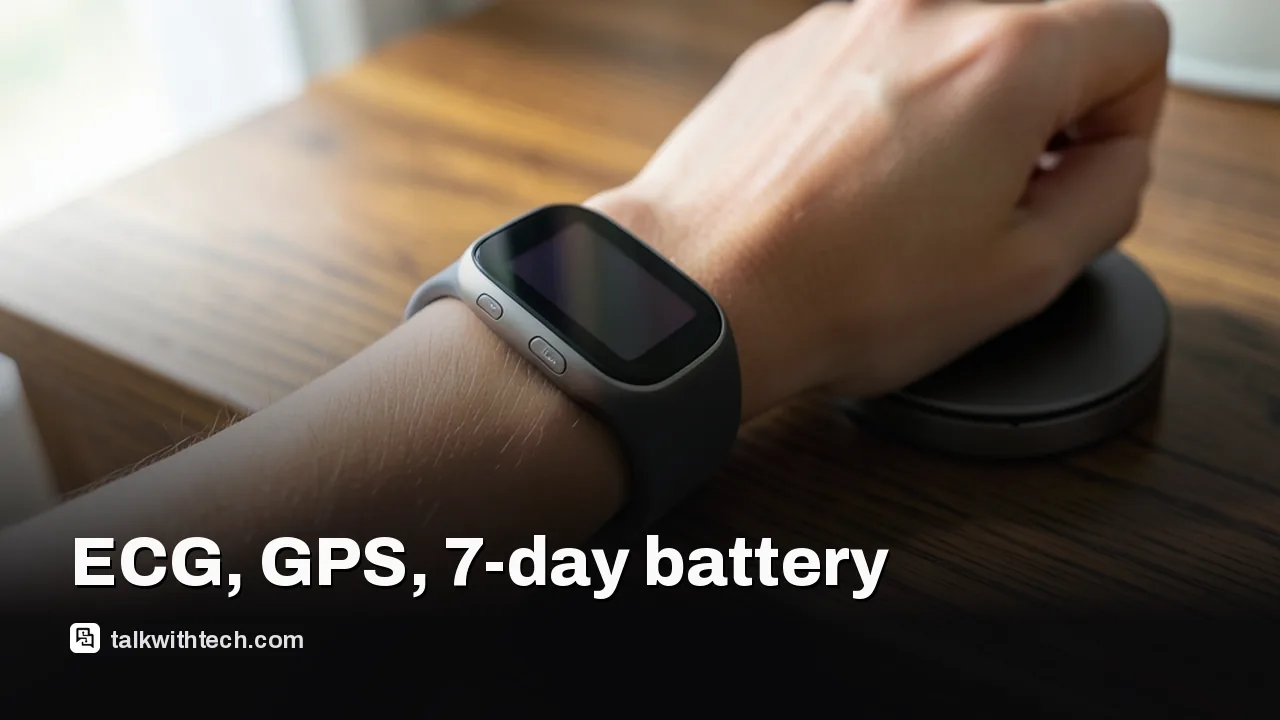
Google’s Fitbit Edge fuses the minimal screenless design of the Fitbit Air with the Pixel Watch 5’s display and features, offering GPS, ECG, Health insights and a week-long battery.
The Fitbit Edge fuses the minimal, screenless feel of Fitbit Air with the Pixel Watch 5’s larger display and full smartwatch features.
It adds GPS and an altimeter, plus skin temperature, ECG and heart rate variability tracking for comprehensive health data.
Google Health integrates Edge data with Health Coach AI insights and Health Guardian trends, with three months of Premium included.
Pre-orders are live now in 20 markets, with shipping starting Oct 27; starting price is $180 in the US and £160 in the UK.
Quick read · 1 min
The Fitbit Edge blends the screenless feel of the Fitbit Air with a larger, Pixel Watch 5-inspired display. It adds GPS, an altimeter, ECG, skin temperature and HRV tracking, all feeding into Google Health with AI insights and Health Guardian trends.
Pre-orders are open in 20 markets, with shipping beginning Oct 27. Prices start at $180 in the US and £160 in the UK. A Curry edition is $220.
The Fitbit Edge is Google’s latest attempt to bridge the gap between a dedicated fitness tracker and a full smartwatch. It fuses the distraction-free feel of the Fitbit Air with a larger, hybrid OLED display inspired by the Pixel Watch 5. In practice, that means you get a screen for quick glanceable info and controls, but not a constant, wall-to-wall display like a traditional smartwatch.
Key sensor tech and health features sit on board, including GPS for location tracking and an altimeter for elevation data. The Edge also brings skin temperature, on-wrist ECG and heart rate variability tracking into the mix. Google says the screen area is about 40% larger than the Charge 6, with brighter visuals for workouts and at-a-glance metrics.
01
What the Edge can do
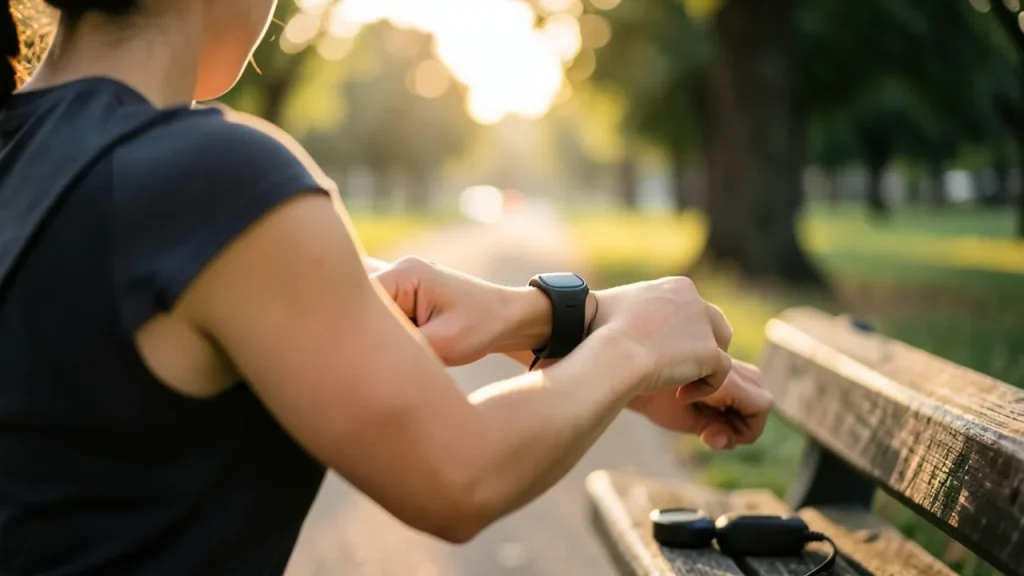
You can track up to 50 exercise types from your wrist, and the device keeps you connected with phone notifications and media playback controls through a redesigned interface that borrows design cues from Pixel devices.
02
Health insights you can actually use
The Edge feeds into Google Health, which includes AI-assisted fitness insights and a Health Coach chatbot. A new feature set called Health Guardian estimates trends in blood pressure and insulin resistance, helping you spot patterns over time. The Edge also supports HRV tracking for stress and recovery monitoring.
03
What it means for everyday life
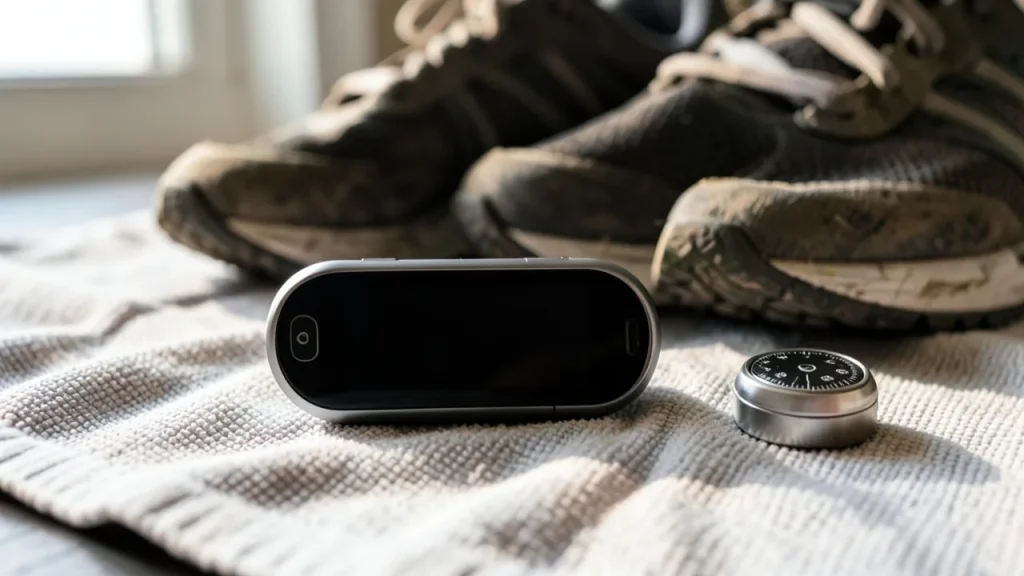
For people deciding between a minimal tracker and a full smartwatch, the Edge offers a middle ground. It’s waterproof to 50 meters, packs a replaceable battery, and claims up to seven days of use per charge. A magnetic charging puck can replenish a full day in about five minutes, which helps when you’re on the go.
04
Availability and price
The Fitbit Edge is available for pre-order now in 20 markets, including the United States and United Kingdom. Shipping starts October 27. Prices begin at $180 in the US and £160 in the UK, with a Stephen Curry edition priced at $220.
If you’re curious about how the Edge fits into your health plan, you’ll want to try the Health app and the Health Coach AI, which will be part of the Premium offer for the first three months. After that, pricing for Premium may apply as a separate subscription.
06
Quick answers
Will the Fitbit Edge replace a smartwatch?
It offers many smartwatch-like features but keeps a screen that’s optimized for quick glances rather than full app use, so it’s best for people who want a lighter wear with health tracking.
What about durability and battery life?
It’s rated for 50 meters of water resistance, and Google promises up to seven days of battery life, with fast refill using the magnetic puck.
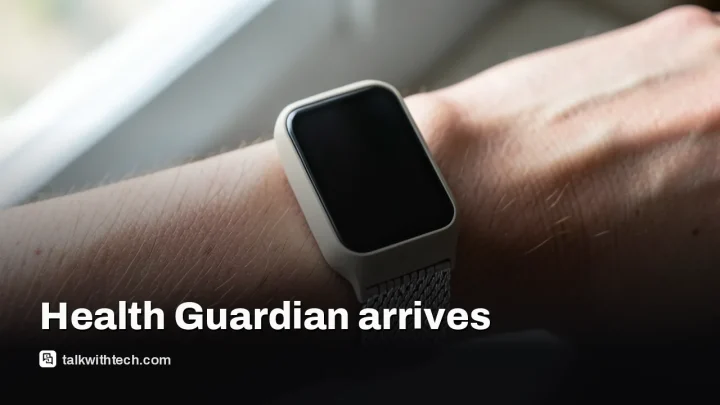
Google adds Health Guardian, insulin resistance estimates, sleep breathing tracking and a more accurate auto-activity detector to the Fitbit Air, plus new metal mesh bands.
Microsoft says Windows 11 23H2 Enterprise, Education and IoT Enterprise editions will stop receiving security updates in roughly one month; users should move to Windows 11 26H2.
3 min read
We use cookies to understand how readers use Talk With Tech, so we can make it better. Is that OK? Privacy policy
The Daily Brief
Today's biggest tech stories, in 5 minutes
Every morning, the news that matters from AI, phones, apps and the people shaping tech. Explained in plain English. Free.
One email a day. No spam, unsubscribe anytime. Privacy policy