Ultrahuman moves beyond hardware with UAE biological age pilot
Ultrahuman partners with Abu Dhabi health authorities to validate a biological-age model that blends wearable data with clinical tests, aiming for a nationwide UAE rollout.
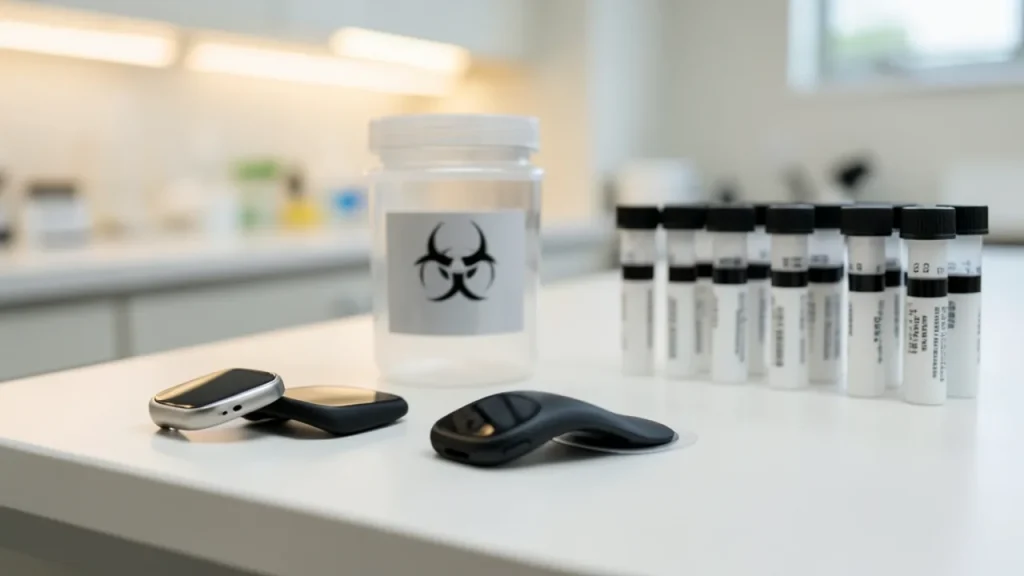
Ultrahuman, known for its smart rings, is partnering with Abu Dhabi’s health authorities to test a biological-age model. The goal is to combine wearable data with clinical tests to estimate how fast a person is aging in the UAE.
The model would be wearable-agnostic, accepting data from rings, other wrist devices, or sensors, and would feed health-age estimates into government health platforms over time. The collaboration is in a two-year phase focused on research and validation before any national rollout.
What this could mean for you: a future where your health age informs preventive care, guided by both your wearable signals and blood-test data. It also marks Ultrahuman’s pivot toward health-data services rather than just selling gadgets.
Ultrahuman is broadening its ambitions beyond smart rings. The Bengaluru-based health-tech company announced a formal, multi-year collaboration with Abu Dhabi’s health authorities to develop and test a biological-age model. The goal is to validate a system that could be rolled out across the United Arab Emirates, giving people a health-age reading that blends wearable data with clinical biomarkers and lifestyle signals.
CEO Mohit Kumar described the effort as a way to quantify aging itself. The model would consider factors like sleep quality, physical activity, heart health, and metabolism to flag signals that might speed up or slow the aging process. Ultrahuman says the project marks a shift from selling devices to building health analytics that could scale to a national population.
The collaboration with Abu Dhabi involves a two-year timeline focused on research and validation. The plan is to phase the rollout, with access to the health-age insights eventually appearing in government digital-health tools such as TAMM and Sahatna. Exact timelines for broad deployment will be announced as the work progresses.
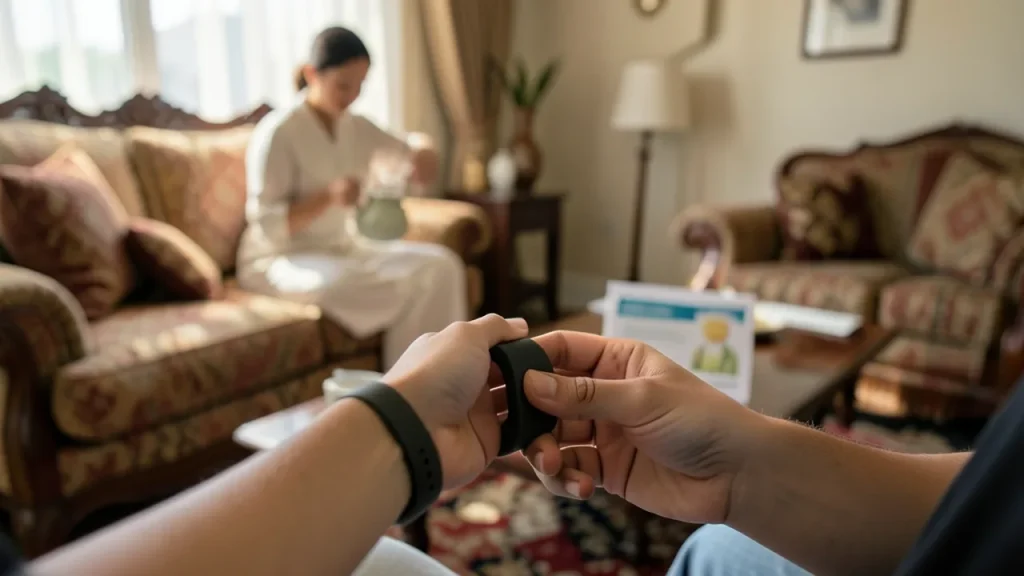
A standout feature of the plan is its wearable-agnostic design. The model is intended to accept data from a range of sources, ring devices, other wrist-worn trackers, body sensors, or patches, so long as that data can feed the aging algorithm. Ultrahuman emphasizes that personal data protections are central; the company says it will not access personally identifiable information from the program.
Ultrahuman already operates in several markets and views the UAE as a key growth region. The company notes that the UAE partnership aligns with a broader push in digital health to use data-driven tools for preventive care, even as other wearables makers pursue similar collaborations with Abu Dhabi’s health authorities. Ultrahuman hints that the underlying aging model could power additional health algorithms centered on longevity and metabolism, potentially expanding the use of its wearables beyond simple tracking.
Beyond the aging model, Ultrahuman envisions enabling on-device software and light AI experiences on wearables themselves, a direction Kumar says could broaden how users interact with health data in daily life. While the project is in early stages, it underscores a broader trend of governments partnering with private health-tech firms to gather insights at scale and translate them into personalized prevention strategies.
As Microsoft rolls out Copilot-edition features, the guardrails, performance promises, and pricing for devices like the Surface Laptop Ultra get real-world tests.