New dimming mode could ease eye strain on Galaxy S27 phones
A fresh leak hints Samsung may add DC dimming to the Galaxy S27 Pro and Ultra, aiming to cut screen flicker at low brightness without hurting image quality.
Leak suggests DC dimming may arrive on the Galaxy S27 Pro and Ultra to reduce OLED flicker.
DC dimming lowers current through pixels, potentially easing eye strain vs PWM-only dimming.
Manufacturers often balance DC dimming with PWM at extreme low brightness to preserve image quality.
If true, the feature could matter for long phone sessions and late-night viewing.
Quick read · 1 min
The Galaxy S27 Ultra and Pro may gain DC dimming, a feature that reduces screen flicker at low brightness to ease eye strain. DC dimming changes how the OLED panel dims by lowering current rather than flicking pixels on and off. Samsung would likely offer a toggle so you can switch it on or off depending on your needs. If confirmed, the upgrade could arrive after the initial launch through a software update.
Why it matters: better comfort for long phone sessions and late-night use. What’s next: watch for official confirmation from Samsung and details on when the update lands.
Better low-brightness comfort for sensitive eyes
Possible trade-offs in darkest tones
Software toggle may be provided
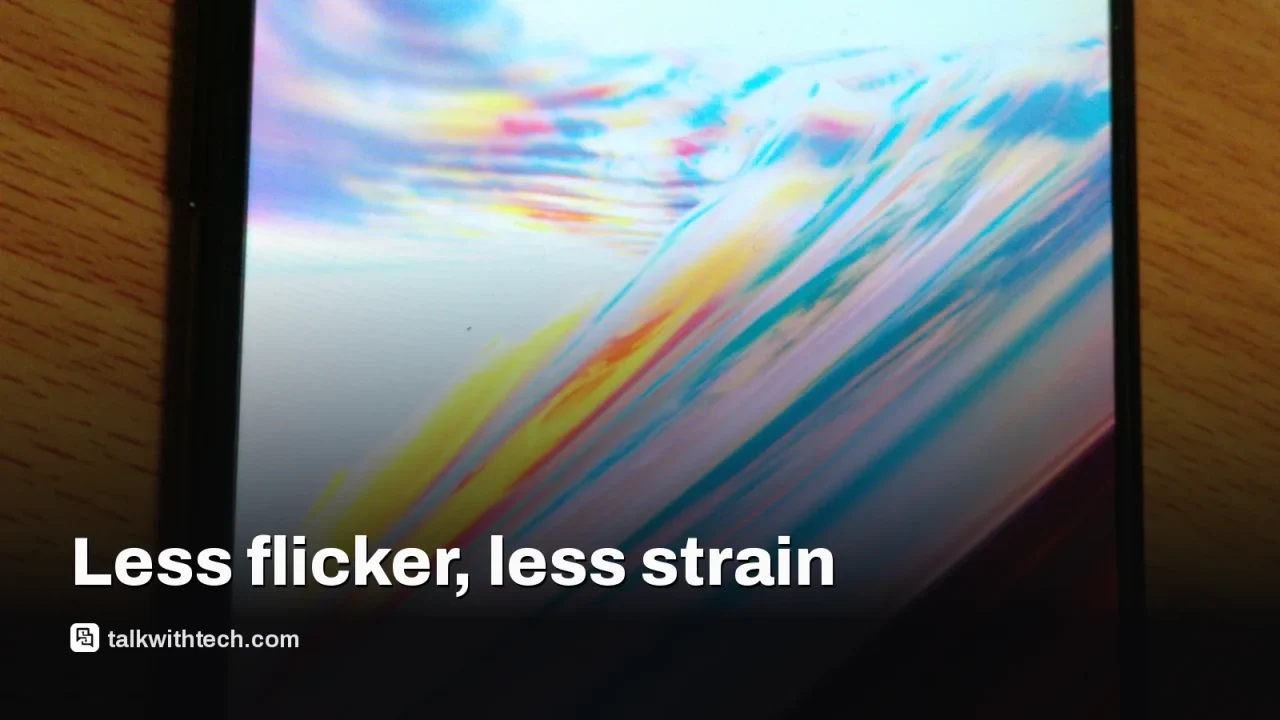
The Galaxy S27 family could get a notable comfort upgrade if new rumors prove true. Samsung is said to be adding DC dimming to the Galaxy S27 Pro and Ultra, a shift away from the traditional PWM (pulse width modulation) method used to dim OLED screens. PWM dimming can cause visible flicker for some users, especially at low brightness, leading to headaches or eye strain.
DC dimming works by lowering the electrical current through the display rather than rapidly turning the pixel on and off. The practical result is less flicker and a more comfortable viewing experience for people sensitive to PWM. The downside, historically, is that very deep blacks or some colors can shift when DC dimming is active. To counter that, many manufacturers blend approaches or reserve full DC dimming for mid-range brightness, keeping PWM for the darkest settings.
Samsung hasn’t confirmed this feature for the Galaxy S27 Pro or Ultra, and plans could change. If Samsung goes ahead, it may offer a hybrid setup that uses DC dimming most of the time and falls back to PWM at the dimmest levels to protect image accuracy.
The S27 Pro | S27 Ultra displays support DC dimming, which helps reduce eye strain.
Samsung is collaborating with various safety firms to understand how to lessen eye strain problems experienced in earlier models.
The chatter centers on the Galaxy S27 Pro and Galaxy S27 Ultra as the initial recipients, with no official timing or regional rollout details yet disclosed. Features like this often arrive in a software update after launch rather than on day one.
02
What this means for everyday users
If it arrives, you could notice less eye fatigue during long scrolling sessions or late-night viewing because the screen flicker would be reduced at lower brightness. Some observers might see tiny color or grayscale differences when the feature is active, but many will appreciate the smoother look in dim environments.
03
Possible caveats
DC dimming isn’t a perfect solution. Lower brightness eye comfort can come with trade-offs in how dark colors appear and how grayscale is rendered. A settings toggle would likely be offered, letting you turn the feature on or off based on your preference.
04
What happens next
We’ll wait for an official word from Samsung. If the company confirms DC dimming for the S27 lineup, expect details on exact brightness ranges, video and gaming performance, and regional availability to follow in later firmware notes or during the launch period.