Tuesday, 17 November 2026

What is Android Fast Switch? Pixel clues and the carrier catch

Hidden text in Google's SIM app points to an Android answer to iPhone Handoff. Here's how it would work, who might get it and what carriers could charge.

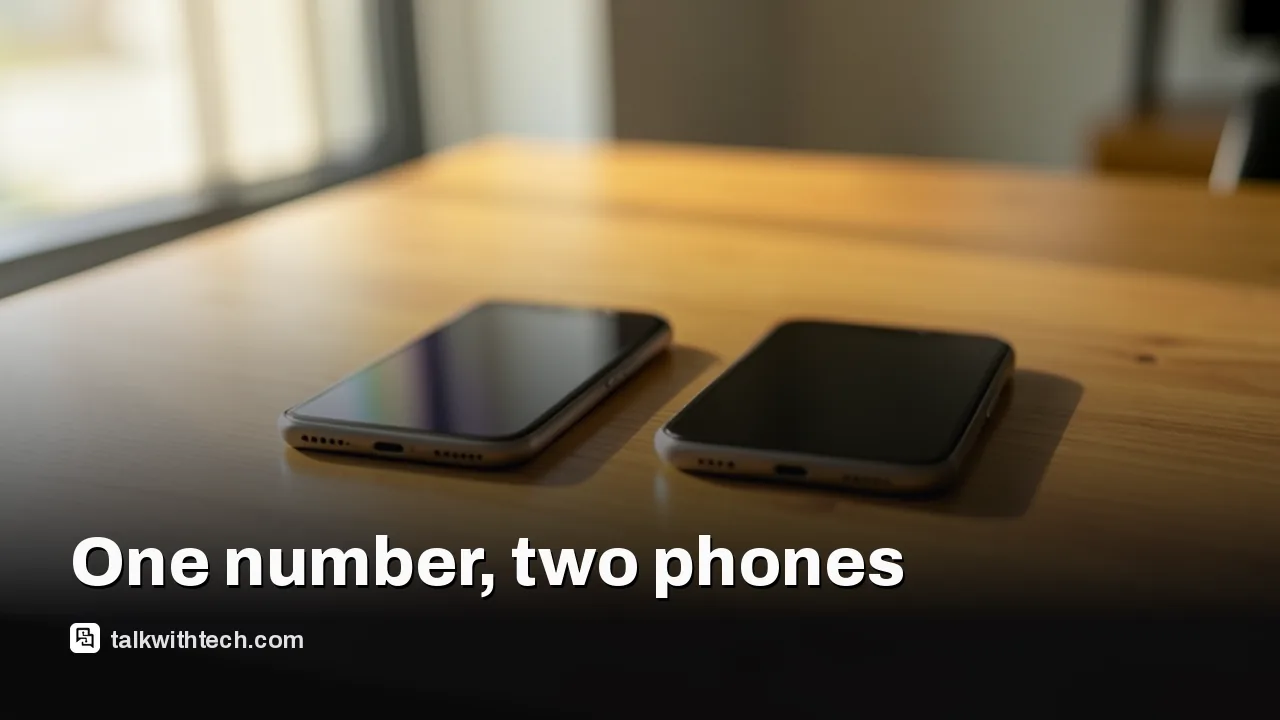
Two smartphones side by side on a wooden desk

The short version

  • Android Fast Switch is an unreleased Google feature spotted in text strings inside the SIM Manager app.
  • It would let one phone number work on up to two Android phones, switching service to whichever one you unlock.
  • Both phones would need the same Google account, and there are early hints of Pixel support, but nothing is confirmed.
  • Apple's similar iPhone Handoff costs $5 a month on T-Mobile and $10 on Verizon, so carrier fees are the big unknown.
Quick read · 1 min

Google appears to be building Android Fast Switch, a way to use one phone number on up to two Android phones. Hidden text in the SIM Manager app says your mobile service would move to whichever phone you unlock. Both phones would need the same Google account, and one would act as the main phone while the other is a companion.

It works like Apple's iPhone Handoff, which arrived with iOS 27. That's useful if you carry a work phone and a personal one, but Apple's version costs $5 a month on T-Mobile and will cost $10 on Verizon, while AT&T hasn't signed up. Google hasn't said which carriers, if any, will support Fast Switch.

  • Early clues point to Pixel phones first.
  • Some SIMs won't work with it.
  • There's no launch date, and it may never ship.

Android Fast Switch is a feature Google hasn’t announced yet that would let one phone number live on two Android phones, with your mobile service jumping to whichever phone you unlock. It turned up as hidden text in a recent update to Google’s SIM Manager app, not in any launch event, so treat everything here as an early leak.

If you carry a work phone and a personal phone, or a big phone for home and a small one for nights out, this is the feature you’ve been waiting for. Apple already offers the same trick on iPhones as iPhone Handoff, and the leaked Android text reads almost like a copy of it. The catch is that Apple’s version comes with a monthly carrier fee, and nobody knows yet whether Google’s will too.

01

What Android Fast Switch would actually do

Android Fast Switch would share a single SIM and phone number across two phones, moving your service automatically. One line of the leaked text describes using your number on up to two phones, with mobile service following whichever handset you unlock. Another simply reads, in plain words, use a SIM on two phones.

The strings also hint at the setup:

  • Same Google account: both phones would need to be signed in to one Google account.
  • A main phone and a helper: one handset is labeled the primary, and the second is called a companion.
  • An approval step: you’d have to accept a sharing request before the number moves over.
  • A one-time check: you may need to have used the SIM on a phone at least once before sharing it.
  • Not every SIM: some SIMs won’t work with the feature at all.

The text also makes clear who it’s for: a single person who carries two phones. It isn’t designed as a cheap way to give a family member a line on their own handset.

Hand picking up one of two phones from a cafe table
02

Android Fast Switch vs iPhone Handoff

On paper, Android Fast Switch and iPhone Handoff do the same job: keep one number active on one of two phones at a time, without you moving anything by hand. That’s different from having two separate lines, because only the phone you’re holding has service.

Apple’s version arrived with iOS 27, and it gives a good preview of what Android users could expect. When an iPhone takes over the number, these move with it:

  • Phone calls and voicemail
  • Messages, including iMessage, RCS, SMS and MMS
  • Your Find My location

Apple’s rules are stricter than the Android leak shows so far. Both iPhones need the same Apple Account, Wi-Fi during setup and Messages in iCloud turned on. There are also some odd edges. An Apple Watch stays paired to one iPhone and doesn’t follow your number, some Wallet passes only work on one phone, and features such as Call Forwarding and Caller ID stay tied to the main iPhone.

Nobody knows yet how much of this Google will copy. The leaked strings don’t say what data, if any, would sync between the two Android phones beyond the number itself.

03

How it differs from moving an eSIM today

Android can already move an eSIM from one phone to another, but you have to do it yourself each time. That’s fine if you’re upgrading to a new phone once every few years. It’s a chore if you switch phones every evening.

Fast Switch would do the same job quietly in the background. Unlock the second phone and the number would simply follow you there, with no menus or QR codes involved.

Google has been closing gaps like this one for a while. Quick Share now works with AirDrop on recent Pixel phones, and the rebuilt Android Switch tool in Android 17 can move your eSIM over from an iPhone. Fast Switch would be the next piece in that pattern.

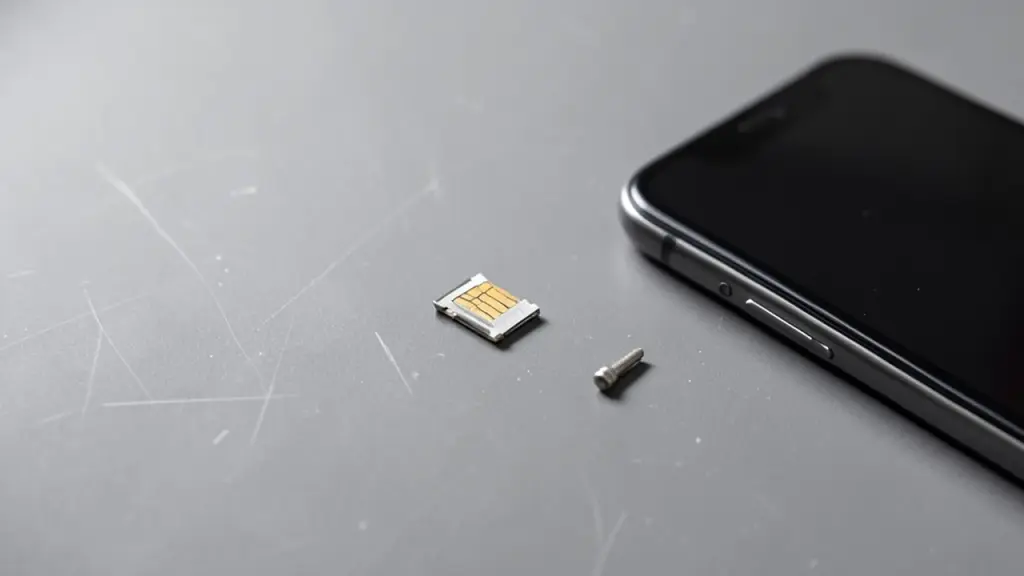
Phone SIM tray and ejector pin next to a smartphone
04

Which phones could get Android Fast Switch first

Pixel phones look like the most likely first candidates, but even that is uncertain. The code includes some evidence pointing to Pixel support, though it’s not clear whether every Pixel model would qualify. It could also easily end up as a Pixel-only feature.

Timing is just as open. Features found in app code can launch within weeks, take months or years, or never ship at all, and this one is still a work in progress. There aren’t even screenshots of it yet.

05

What it could cost you: the carrier question

The fee is the part that will matter most to your wallet, and it depends on your carrier, not Google. Apple can’t switch iPhone Handoff on by itself. Each network has to support the shared setup, and so far they’ve set their own prices:

  • T-Mobile (US): $5 a month for iPhone Handoff.
  • Verizon (US): has said it will charge $10 a month once support arrives.
  • AT&T (US): hasn’t committed, and a spokesperson pointed to its existing eSIM activation and transfer options instead.
  • EE (UK): free on its Full Works Plus plan, or £5 a month on other eligible plans, with support still listed as coming soon.

Canadian carriers haven’t announced iPhone Handoff pricing, and Google hasn’t said which carriers, if any, will back Fast Switch. If the Android version follows Apple’s path, expect a similar small monthly charge on some networks and no support at all on others.

Even at $5 or $10 a month, this is far cheaper than paying for a second full phone plan, which is the real appeal for small business owners and creators who keep one phone for work.

06

What this means for you right now

For most people, nothing changes today. You can’t turn Android Fast Switch on, and there’s no promise it will ever appear on your phone. If you already juggle two Android phones, the manual eSIM transfer is still your only built-in option.

If you’re choosing between an iPhone and a Pixel partly for this kind of feature, know that Apple’s version works now in the US with T-Mobile, while Google’s is only a few lines of hidden text. And if you do sign up for iPhone Handoff, remember that turning it off means calling your carrier, because deleting the eSIM may not stop the monthly charge.

07

Quick answers

Is Android Fast Switch available now?

No. It has only been spotted in code inside Google’s SIM Manager app, and Google hasn’t announced it or given a date.

Will Android Fast Switch work with Samsung phones?

Nobody knows yet. The only hint so far points to Pixel phones, and it’s unclear whether other Android brands would get it.

Can I use one phone number on two Android phones today?

Only by moving your eSIM between them by hand each time. Fast Switch would make that switch happen automatically when you unlock the other phone.

You're reading the quick version.