Monday, 23 November 2026

Galaxy Watch 10 delayed to 2028? What a skipped year means

A Korean report says Samsung will release no new Galaxy Watch next year, blaming costly chips and weak Watch 9 sales. Here is what that changes for buyers.

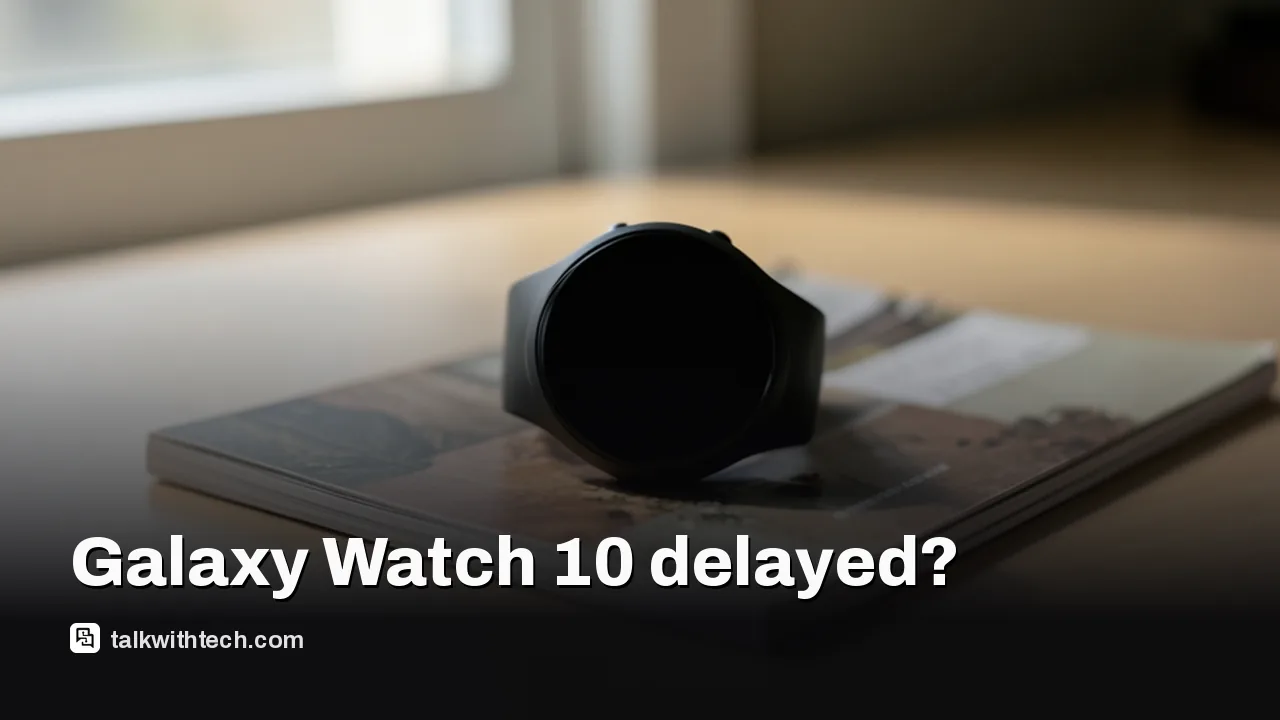
A round smartwatch with a dark screen resting on a wall calendar

The short version

  • Korean outlet ETNews reports that Samsung will not release any new Galaxy Watch in 2027.
  • The watch line would move to a launch every other year, putting the next generation in 2028.
  • Rising prices for memory and processors, plus weaker than hoped Galaxy Watch 9 demand, are cited as reasons.
  • Samsung has not confirmed the plan and says nothing publicly about a new schedule yet.
Quick read · 1 min

Samsung may not release a new Galaxy Watch at all in 2027. South Korea's ETNews reports that the company is moving its smartwatches to a two-year cycle, so the next generation, likely called Galaxy Watch 10, would arrive in 2028. Samsung has not confirmed the plan.

  • Why: memory and processor prices are climbing, the mobile division has reportedly lost money for two quarters, and the pricier Galaxy Watch 9 sold below hopes.
  • Instead: software updates and new health features for current watches, plus a cheap new Galaxy Fit band.
  • Wider cuts: fewer Galaxy A phones, and about 70% of Galaxy S27 output shifted to Pro and Ultra models.

For buyers, the Galaxy Watch 9 and Watch Ultra 2 would stay Samsung's newest watches for about two years. The real test comes at next summer's Galaxy Unpacked: if no watch appears, the report was right.

Is the Galaxy Watch 10 delayed? If a new report from South Korea is right, yes, and by a full year. ETNews says Samsung has decided not to release any new Galaxy Watch in 2027 and will switch the line to a launch every other year, which would push the next generation into 2028.

That would break a habit Samsung has kept since the first Galaxy Watch arrived in 2018: a fresh watch every single year. For anyone wearing an older Galaxy Watch and waiting for next summer’s model, the wait could stretch to two summers. The catch is that Samsung itself has not said a word, so for now this is a well-sourced report, not an announcement.

01

Is the Galaxy Watch 10 delayed, or is that just a rumor?

The Galaxy Watch 10 delay comes from one outlet, ETNews, which cites industry sources. Other reports repeat the same claims, and Samsung had not confirmed it as of November 22.

Here is what the report claims, in plain terms:

  • No new Galaxy Watch series model in 2027. That means no successor to either the Galaxy Watch 9 or the Galaxy Watch Ultra 2 until 2028.
  • A two-year cycle from now on. New hardware would land every other year, with the next batch due in 2028.
  • A software year instead. Samsung would spend 2027 adding software updates and better health features to the watches people already own.
  • A cheaper band to fill the gap. A new entry-level Galaxy Fit band would be the main new wearable next year.

One detail muddies the picture a little. Earlier this month, a Samsung watch with the model number SM-L616 showed up in the GSMA database, and some took it as an early sign of a Galaxy Watch 10 Classic with 5G. That listing gives neither a product name nor a date. Samsung could be building its next watch right now and still have nothing ready to sell in 2027, so the listing doesn’t disprove the delay.

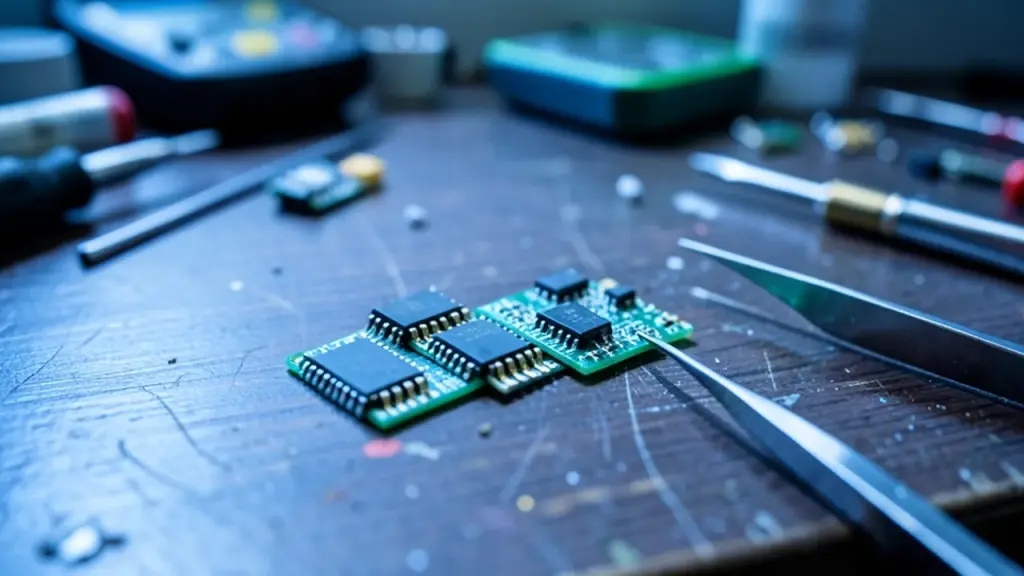
Close-up of small memory chips and a circuit board on a workbench
02

Why Samsung would skip a year: pricey chips and a slow Watch 9

The short answer is money. Samsung’s Mobile eXperience division, the arm that makes Galaxy phones, tablets and watches, has reportedly lost money for two quarters in a row. Management is now pushing hard on profitability, and a yearly watch refresh is an easy cost to question.

Three pressures come up again and again in the report:

  • Chipflation. ETNews uses this word for the sharp rise in prices of key parts, especially memory and application processors (the main chip that runs the device). Pricier parts make every watch cost more to build.
  • A higher price tag that didn’t sell. Industry sources say those part costs pushed up the Galaxy Watch 9’s launch price, and buyer interest then fell short of what Samsung expected.
  • A maturing market. Smartwatch sales growth has slowed, and people feel less need to replace a watch every year when each new one changes little.

Samsung’s market position adds to the logic. The report cites Counterpoint Research figures that put Samsung fourth in global smartwatch sales last year, with a 7% share, far behind Apple at 23%. Rather than spend heavily every year to chase volume it may not win, Samsung would save the research, development and marketing money a new model eats up.

Health tech is also slow to mature. Big new sensing features, such as reading blood sugar without a needle, can take years to shrink down, validate and fit into a watch. A two-year gap gives the hardware team more room to land something worth upgrading for.

03

Not just watches: Galaxy A cuts and a pricier Galaxy S27 mix

The watch decision is part of a wider cost squeeze at Samsung’s mobile business, and it reaches phones too. The same report and follow-ups describe two changes already in motion:

  • Fewer mid-range phones. Fourth-quarter output of lower-margin Galaxy A models has been cut by roughly 20% against the original plan, and a price rise is also reportedly planned.
  • More expensive flagships. For the Galaxy S27 series, expected early in 2027, Samsung reportedly wants the Pro and Ultra models to make up about 70% of production.

Put together, the pattern is clear: fewer cheap, high-volume devices, more focus on the models that earn the most per sale, and fewer launches that don’t pay their way. Apple has leaned the same way for years, with buyers drifting toward its Pro iPhones.

A runner wearing a slim fitness band while tying a shoe at dawn
04

What the delay means if you’re shopping for a Galaxy Watch now

If the report holds, the watches Samsung announced at Galaxy Unpacked in London on July 22, 2026, will stay its newest models for about two years instead of one. Those are the Galaxy Watch 9 and the Galaxy Watch Ultra 2, which went on general sale on August 7.

Here is what that lineup looks like today:

  • Galaxy Watch 9: an aluminum case in 40mm and 44mm sizes. In the US it costs $379.99 for the 40mm Bluetooth model and $409.99 for the 44mm, and Samsung rates both sizes for up to 30 hours with the always-on display.
  • Galaxy Watch Ultra 2: a 47mm titanium case, built for divers (Samsung worked with Mares on that) and for runners who head off-road.
  • Shared health tools: Sleep Apnea detection, Fitness Index, Vitals, Hearing, Daily Cardio Load and a Heart Health Score.

Both run on Qualcomm’s Snapdragon Wear Elite Platform, and Samsung calls their screens the brightest, and their batteries the biggest, of any Galaxy Watch so far.

Three practical points follow from the sources:

  • Your watch keeps improving. The plan is to use 2027 for software and health feature upgrades on existing watches, so Watch 9 and Ultra 2 owners would get new tricks without buying anything.
  • New phone, older watch. Anyone buying a new Galaxy phone in 2027 could only pair it with a Galaxy Watch that is already about a year old.
  • Check your phone first. Samsung Health Monitor, which runs the ECG and sleep apnea features, works only with compatible Galaxy phones. Owners of other Android phones can use the Galaxy Watch 9 but lose those two tools.

Rotating bezel fans have one extra clue to watch. A regulatory filing found in September named a Galaxy Watch 9 Classic, even though Samsung didn’t show one in July. That is more specific than a model number, but it is not a launch promise either.

05

The Galaxy Fit band fills the 2027 gap, and how to tell if the report is right

Samsung isn’t stepping away from wearables. The report says a new Galaxy Fit band will be its main wearable launch in 2027, sold on low price and light weight to keep people inside the Galaxy ecosystem. ETNews gave no name, price or date, but the likely candidate is the Galaxy Fit 4.

That band has already passed the FCC under the model number SM-R391, and Samsung sent hardware for testing in July. Some of the filing documents are set to become public on January 31, 2027, which would fit an early-year launch. A separate leak says the Fit 4 will cost €79.90 in Europe, a small rise over the last model. Earlier leaks point to heart rate, blood oxygen, stress and sleep tracking, a slightly larger screen and no built-in GPS.

The Fit is a different kind of device, though. It focuses on health tracking and basic notifications, without the third-party apps and wider features of a full Galaxy Watch.

The clearest test of the report is Samsung’s summer Galaxy Unpacked for foldables, which is where new Galaxy Watch models normally appear. If that event comes and goes without a watch, the two-year cycle is real. Until Samsung comments, treat 2028 as the reported date, not a confirmed one.
06

Quick answers

Is the Galaxy Watch 10 coming out in 2027?

Probably not, according to ETNews. The report says Samsung will release no new Galaxy Watch next year and will launch the next generation in 2028, though Samsung hasn’t confirmed this.

Why is the Galaxy Watch 10 delayed?

The report points to rising memory and processor prices, two straight quarters of losses in Samsung’s mobile division and weaker than expected Galaxy Watch 9 sales after a price rise.

Will my Galaxy Watch 9 still get updates?

Yes. Samsung reportedly plans to spend 2027 adding software updates and health features to existing watches, including the Galaxy Watch 9 and Watch Ultra 2.

You're reading the quick version.