GM battery mini factory readies first test cells in Q4 2026
GM is building a half-million-square-foot Battery Cell Development Center to prototype and test cheaper battery chemistries before scaling up production.
GM is constructing a 500,000-square-foot Battery Cell Development Center (BCDC) in Warren, Michigan to prototype and test new cell chemistries.
The project aims to slash the cost of EVs by developing cheaper battery cells and improving production efficiency.
First test cells are expected in Q4 2026, with full-volume production not until 2028 at the Spring Hill Ultium plant.
GM plans to transfer knowledge from the BCDC to its partners for large-scale manufacturing, using virtual modeling and small-scale production lines.
Quick read · 1 min
GM is building a half-million-square-foot Battery Cell Development Center in Warren, Michigan to prototype and test cheaper EV battery chemistries before scaling up production. The project aims to speed up learning and cut costs, with first test cells due in Q4 2026 and full production not until 2028 at the Spring Hill Ultium plant. The center will use virtual modeling and small-scale lines to bridge R&D and mass manufacturing, and notes a $900 million price tag. This could help lower EV prices and diversify the supply chain over time.
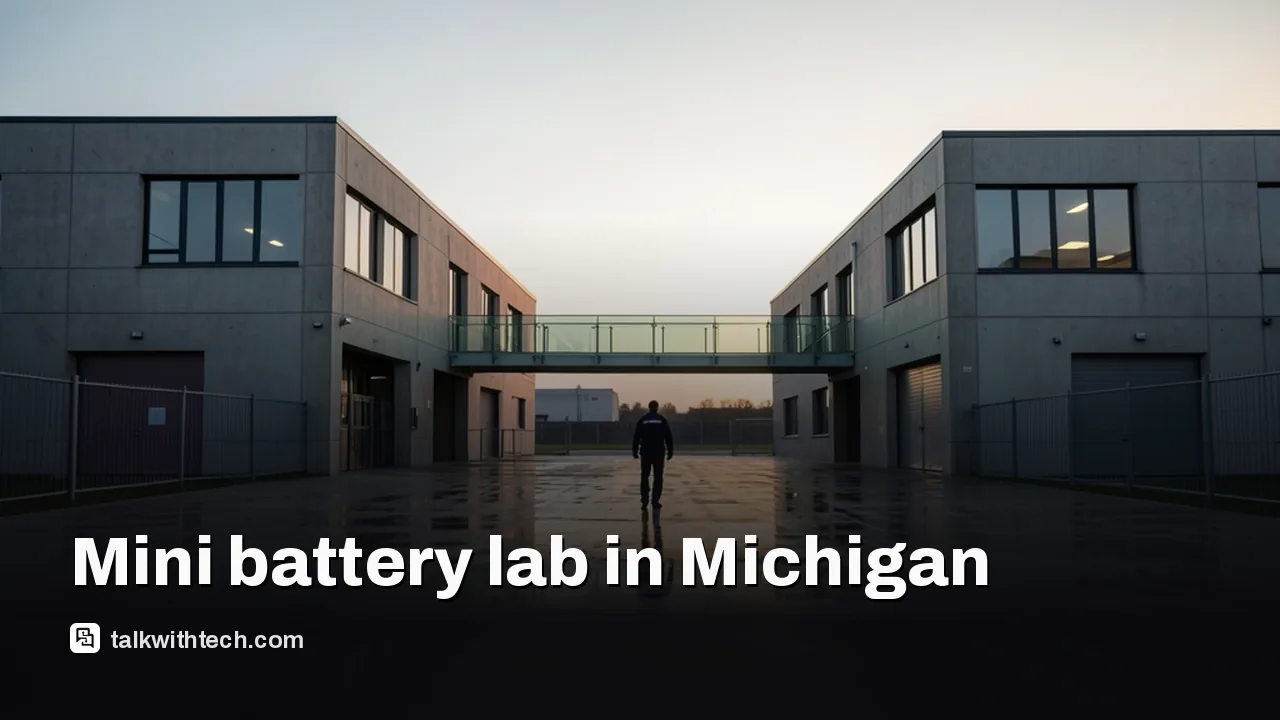
GM is placing a bet on cheaper battery cells and faster learning by building a dedicated, half-million-square-foot testing hub near Detroit. The Battery Cell Development Center, or BCDC, is designed to bridge the gap between R&D labs and large-volume production. Inside two adjacent buildings, engineers will model, test, and prototype different cell chemistries and formats, starting with prismatic cells. The goal is to figure out production methods, recipes, and cost-saving tweaks before scaling up at GM’s big, high-volume plants.
GM says the BCDC will combine virtual modeling with physical test capabilities and small-scale production lines. In practical terms, that means scientists can validate new cell designs quickly, then hand those learnings off to Ultium Cells for mass manufacturing. GM and LG Energy Solution run Ultium Cells, which operates big plants in Warren, Ohio, and Spring Hill, Tennessee. The Warren, Ohio plant opened in 2022 and makes large-format pouch cells; Spring Hill opened in 2024 and currently produces lithium-ion phosphate cells for storage projects.
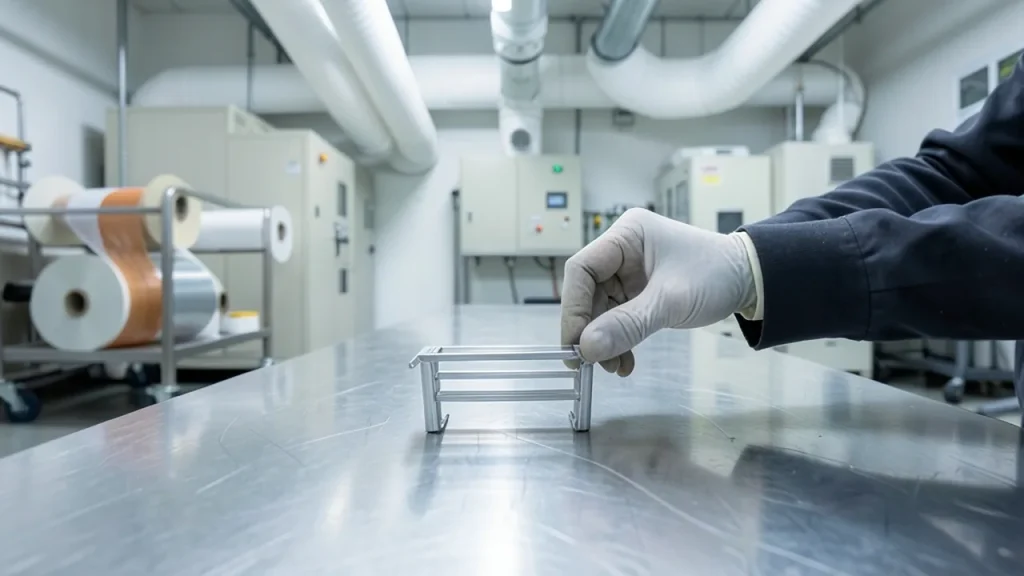
The BCDC buildings are laid out to support different steps of cell making: one side focuses on electrode materials, the other on final cell assembly and testing. A bridge moves electrode film between the two buildings, while the second building houses the metals, film supplies, and an extensive HVAC setup to keep things clean and stable. When fully up to speed, GM says the facility could produce 4 to 5 gigawatt-hours of cells at maximum, but the emphasis here is on learning rather than volume.
GM pegs the total cost of the project at about $900 million. The company expects its first test cells to be ready in the fourth quarter of 2026, with volume production at Spring Hill not expected until 2028. The approach is meant to shorten the distance from lab ideas to production-ready formats, potentially helping GM stay competitive as China and other players push into the U.S. EV market.
01
What the GM mini factory means for the EV race
The strategic aim is clear: shave costs, reduce reliance on materials that drive up prices, and accelerate the time from idea to usable product. By testing different chemistries and formats in a controlled, low-volume setting, GM hopes to bring new, cheaper cells to market faster than traditional, slower R&D paths allow.
02
Which cells are in scope and where they go next
Initial work centers on LMR prismatic cells that use less cobalt or nickel. If successful, the learnings will flow to large-scale production partners for broader use in GM’s EV lineup and energy storage applications. The company’s Oak and Tennessee plants already serve as the main mass-production sites, so the BCDC’s role is to shape future formats and chemistries before they reach those lines.
03
What this means for everyday readers
For drivers, the move could translate into cheaper EVs down the line, thanks to lower battery costs. It also signals a push toward more stable, domestically developed cell technology, potentially reducing exposure to international supply chain shocks. In plain terms: if GM can prove a cheaper way to build batteries without sacrificing performance, your next EV could cost less and last longer between charges.
04
What happens next
GM says the first test cells should appear in Q4 2026. If all goes well, the knowledge gained at the BCDC will flow into volume production at the Ultium plants, culminating in 2028 for the full-scale momentum at Spring Hill. In the near term, expect updates on the specific chemistries GM and its partners are validating and any early production milestones tied to the learning loop between R&D and manufacturing.
Nvidia is considering several paths with Reflection AI, a small open-weight model developer, in discussions that could lead to an acquisition, a bigger investment, or a licensing arrangement.