Monday, 12 October 2026

Google AI health research has 90,000 citations across five years

Google describes how AI aids gene mapping, rapid diagnoses, engineered enzymes, and smarter disease forecasting.

Google image for: Google AI health research has 90,000 citations across five years

The short version

  • Google highlights five years of health-focused AI work, publishing 90 peer-reviewed papers and earning 90,000+ citations.
  • AlphaGenome Atlas helps predict how genetic variants affect biology, aiding disease research and potential treatments.
  • Rapid genetic diagnosis with ultrafast sequencing can determine the cause in under eight hours in time-critical cases.
  • Researchers are exploring AI-designed enzymes that could help drug development and environmental cleanup.
Quick read · 1 min

Google is sharing how its health-focused AI work translates to real-world benefits. In five years, the team has published 90 peer-reviewed papers and earned 90,000+ citations. Key projects include AlphaGenome Atlas, which predicts how genetic variants affect biology, and ultrafast genome sequencing that enabled a genetic diagnosis in under eight hours in a time-critical case.

Other work includes AI-assisted enzyme design for drug development and environmental uses, plus public health efforts that blend geospatial AI with environmental and mobility data to forecast outbreaks and guide rapid response. The overarching goal is to help doctors diagnose faster, tailor treatments, and predict health threats more effectively. The next steps involve broader collaboration with clinicians, researchers, and public health agencies to translate these insights into patient care and community health programs.

  • Faster diagnosis timelines for urgent genetic diseases
  • AI-inspired enzymes with potential medical and environmental applications
  • Geospatial AI helping predict outbreaks and mobilize resources
Google is tying its health-focused AI work to real-world impact, saying its teams have published 90 peer-reviewed papers on disease understanding and treatment over the past five years, with more than 90,000 citations. The company frames these efforts as a coordinated push to turn data, biology, and clinical insight into faster, better care for patients.

Highlights span from mapping disease mechanics to speeding diagnoses and shaping public health strategies. Here are the key projects Google is sharing and why they matter to everyday readers.

01

AlphaGenome Atlas: predicting how genetic tweaks affect biology

AlphaGenome Atlas is described as the most comprehensive catalog of predictions for how single-letter changes in the genome influence molecular biology. In practical terms, it helps scientists forecast which genetic variants are likely to alter disease processes, guiding researchers toward potential interventions more quickly.

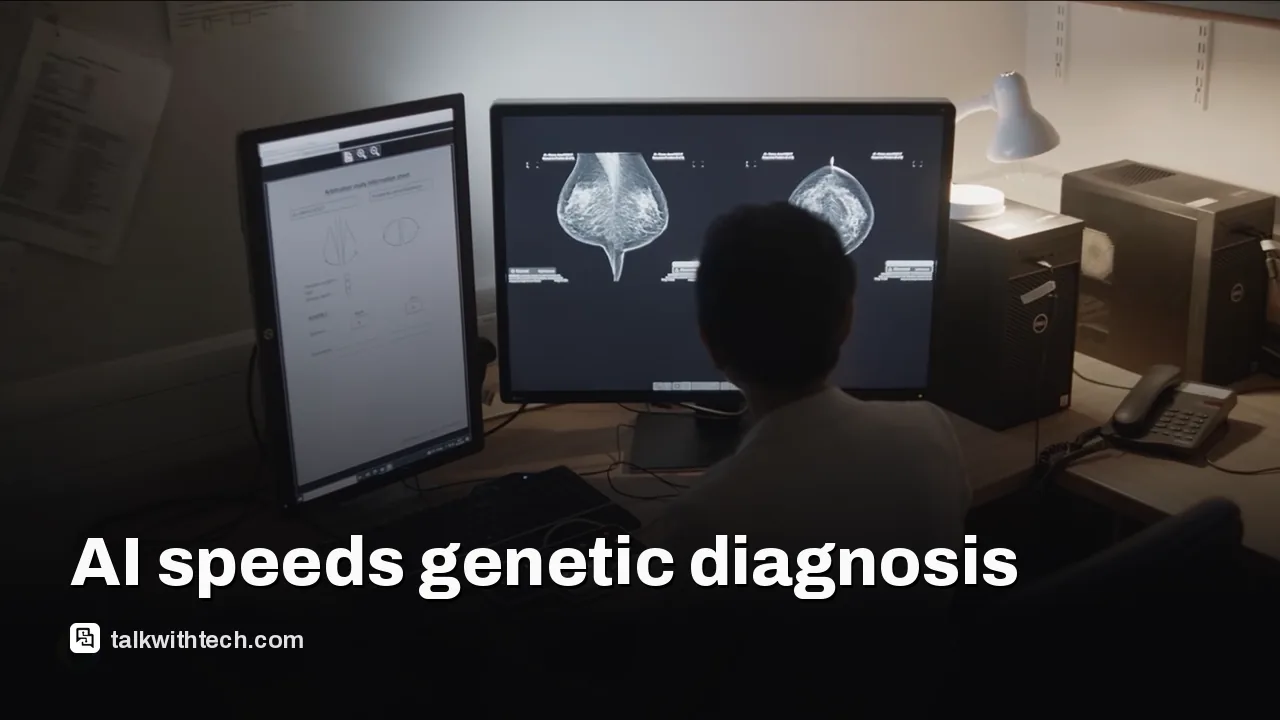
person analyzing genome data on a computer screen
02

Ultrafast sequencing for rapid genetic diagnosis

In collaboration with Stanford University School of Medicine, Google used DeepVariant and DeepConsensus in a clinical trial to speed up genetic diagnosis in time-critical cases. This approach enabled a genetic diagnosis with whole genome sequencing in less than eight hours, a pace that can alter how some patients are treated in emergencies.

03

Enzymes engineered with AI: from concept to lab tests

A project focused on designing enzymes from scratch using AI methods demonstrates how researchers can imagine proteins with new-to-nature functions. In early lab experiments, these AI-crafted enzymes showed potential for synthesizing drug motifs and for breaking down toxic plastics under challenging conditions, hinting at future uses in medicines and environmental cleanup.

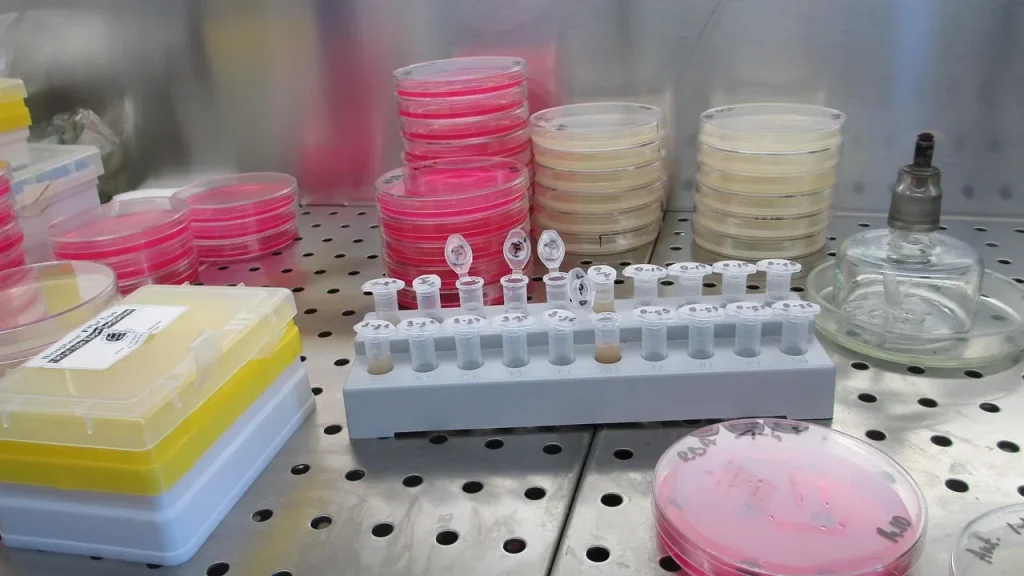
lab bench with tubes and equipment used in molecular biology
04

Smarter public health through geospatial AI

Google notes it is fusing its geospatial AI capabilities with environmental data, weather patterns, mobility data, and other sources to help public health leaders forecast disease outbreaks. In collaborations with global partners, geospatial models have helped teams identify Ebola exposure and transmission risks more quickly, enabling local responders to deploy mobile laboratories sooner.

05

Support for clinicians and care teams

Beyond discovery, Google highlights efforts to reduce radiologist workloads and catch cancers earlier. Studies point to AI helping flag historically missed cancer signatures and to streamlining clinical workflows so doctors can focus more on patient care and less on admin tasks.

06

What this means for everyday readers

For nonexperts, the through-line is simple: smarter AI tools can help doctors diagnose faster, tailor treatments to individuals, and predict health threats before they become crises. The practical upshot could be shorter wait times for diagnoses, more personalized therapies, and better-targeted public health responses during outbreaks.

07

What happens next

Google says its health research remains collaborative, spanning clinics, universities, and research labs. Real-world impact depends on translating lab results into patient care and public health programs, including regulatory clearance and clinician adoption.

08

Quick answers

What is AlphaGenome Atlas?

A catalog of predictions showing how single-letter genetic changes affect biology, used to guide disease research.

How fast can AI help diagnose genetic diseases?

In the cited trial, whole genome sequencing achieved a genetic diagnosis in under eight hours.

Why does this matter to me?

Faster, more precise medical insights can mean earlier treatment, less wasted time in the health system, and better monitoring of disease outbreaks in your community.

You're reading the quick version.