Google Health Fitbit updates bring smarter activity detection
Blood pressure and insulin resistance trends now reach Fitbit Air and Edge, but only with Premium, while workout auto-detection jumps from 10 activities to more than 100.
Health Guardian blood pressure and insulin resistance trends arrived on Fitbit Air and Fitbit Edge in Google Health app version 5.11.
Fitbit owners need Google Health Premium at $9.99 a month, while Pixel Watch 3, 4 and 5 owners get the same tools free.
Automatic workout detection now recognizes more than 100 activities, up from 10, and Google says it cuts missed workouts by more than half.
New partner links bring in Abbott Lingo glucose data, detailed MyFitnessPal food logs, Function Health lab results and, early next year, Flo cycle data.
Quick read · 2 min
Google has brought its Health Guardian tools to the Fitbit Air and the new Fitbit Edge. After a month of wear, the Google Health app gives you a report on whether your blood pressure and insulin resistance appear to be trending the wrong way. These are estimates from heart rate, activity and sleep data, not real measurements, and Google says they are not for medical use.
The catch is cost. Fitbit owners need Google Health Premium at $9.99 a month, while Pixel Watch 3, 4 and 5 owners get the same tools free.
Workout auto-detection now spots more than 100 activities, up from 10.
Sessions of 15 minutes or more are logged automatically by default.
Abbott Lingo, MyFitnessPal, Function Health and Flo data are joining the app.
Update to version 5.11 of the app to set things up. Your first monthly report lands on Nov. 1.
Your Fitbit can now tell you, once a month, whether your blood pressure looks like it is trending high and whether your body may be getting worse at handling sugar. That is the headline feature in the latest Google Health Fitbit updates, and it comes with a catch: on a Fitbit Air or Fitbit Edge, you have to pay for it.
Why it matters: these are two of the most common warning signs for heart disease and type 2 diabetes, and until now you needed a cuff or a blood test to keep an eye on them. Google is putting rough trend estimates on a $100 screenless band. The same update also makes the tracker far better at noticing your workouts on its own, which fixes one of the most common complaints about Fitbit logging.
01
What Health Guardian does on Fitbit Air and Edge
Health Guardian is Google’s name for a set of background health tools that look for slow changes over weeks, not moment-to-moment readings. On the Fitbit Air and the new Fitbit Edge, it adds two reports: blood pressure trends and insulin resistance trends.
Neither one measures the real thing. There is no cuff and no needle. Instead, Google’s models look at signals the tracker already collects, such as heart rate, heart rate variability, activity and sleep, and estimate whether your numbers are drifting in the wrong direction. Insulin resistance, in plain terms, is when your body stops responding well to insulin, so sugar stays in your blood longer. It is often an early step toward pre-diabetes.
Google is careful about what this is not. The company says the insulin feature is not meant for medical purposes and is not a pre-screener for diabetes. The blood pressure paper behind the feature has not been peer reviewed, and its study left out people with heart disease, the very group most likely to want the data. Treat a result as a nudge to talk to a doctor, not as a diagnosis.
The catch: Pixel Watch owners get it free, Fitbit owners pay
Health Guardian reached Pixel Watch 3, 4 and 5 owners in late September at no cost. Fitbit Air and Fitbit Edge owners only get it with a Google Health Premium subscription, which costs $9.99 a month or about $100 a year. Premium also unlocks the AI Health Coach, which can explain a change in your trends, adjust your fitness plan and give you extra context to bring to a doctor.
That price gap matters. The Fitbit Air sells for about $100 and the Edge for about $180, so a year of Premium can cost as much as the tracker itself. Older Fitbit models are not included at all. It is also unclear what happens if you own both a Pixel Watch and a Fitbit; Google has not said whether the free access carries over.
03
How to turn on blood pressure and insulin resistance trends
The features arrived on Fitbit in version 5.11 of the Google Health app on both Android and iPhone. Once you have it:
Open the Health tab in the Google Health app.
Tap Heart to set up blood pressure trends.
Tap Metabolic to set up insulin resistance trends.
Reports land on the first day of each month, based on the month before. If you set things up now, your first Fitbit report arrives on Nov. 1. The wear rules are different for each report. Blood pressure needs five days in a row of daytime wear in the previous month, and you don’t have to sleep with the band on. Insulin resistance needs seven days and seven nights of wear, which don’t have to be consecutive.
Early users have reported mixed reactions online, including people with normal checkups who got worrying results. That is the trade-off with trend estimates: they can raise flags that a doctor’s test later clears.
04
Smarter activity detection: more than 100 workouts
The second big change is automatic activity detection. Your Fitbit or Pixel Watch used to recognize 10 types of exercise. Google says it now recognizes more than 100, including strength training, swimming, team sports and racket sports.
The system also uses more context than before. It looks at your usual routines, your history, the edits you make by hand and, if you allow it, your location. Google says this makes detections nearly twice as accurate and cuts missed workouts by more than half. When you confirm or fix a logged activity, the feature learns from it.
Here is how logging works by default. Any session that lasts at least 15 minutes with a sustained raised heart rate gets saved automatically, and a summary shows up in the phone app, usually within half an hour. You can change that minimum. The upgrade covers Fitbit Air, Fitbit Edge and Pixel Watch 3, 4 and 5.
New partner apps: glucose, food logs, lab results and cycle data
Google Health is also pulling in more outside data so you can see it in one place:
Abbott Lingo: people in the US will be able to connect Abbott’s over-the-counter continuous glucose monitor, so real glucose readings sit next to meals, workouts and sleep.
MyFitnessPal: Premium MyFitnessPal users can now share detailed, food-by-food logs, while free users keep sharing daily meal totals.
Function Health: US users can import clinical lab results starting later this fall.
Flo Health: a multi-year deal will let you sync Flo with Google Health early next year for insights tied to your cycle phase and life stage.
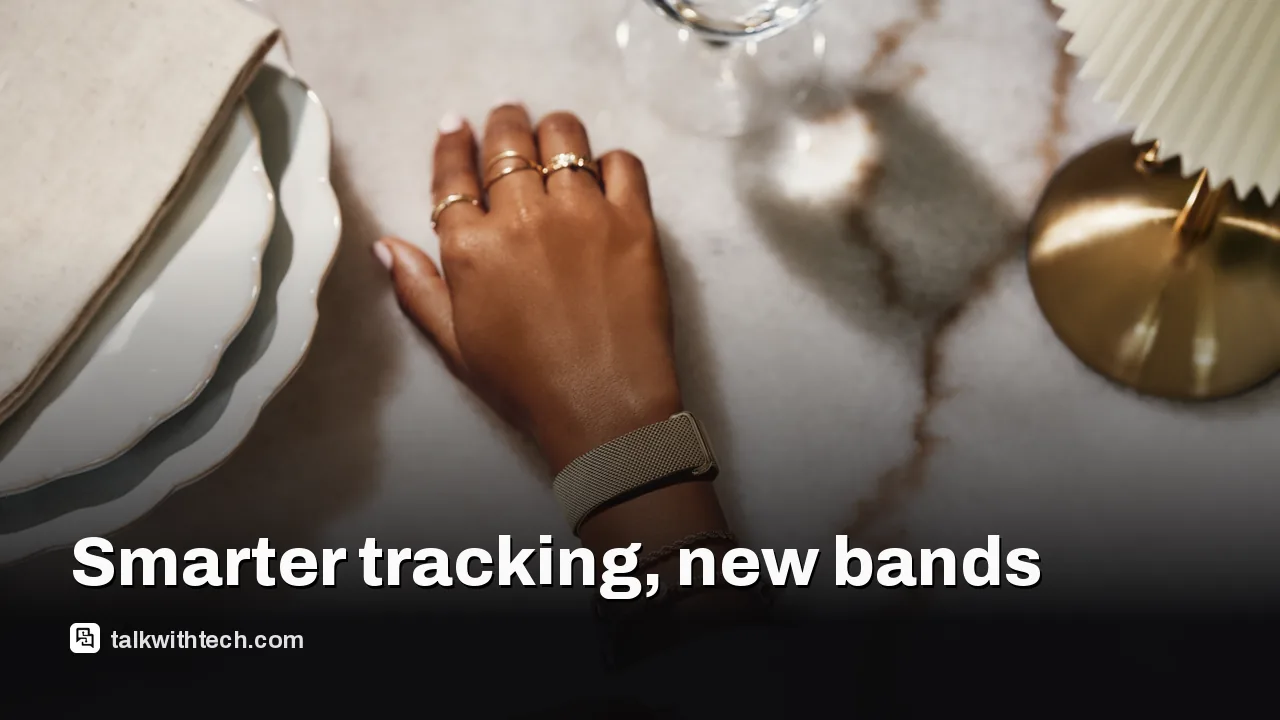
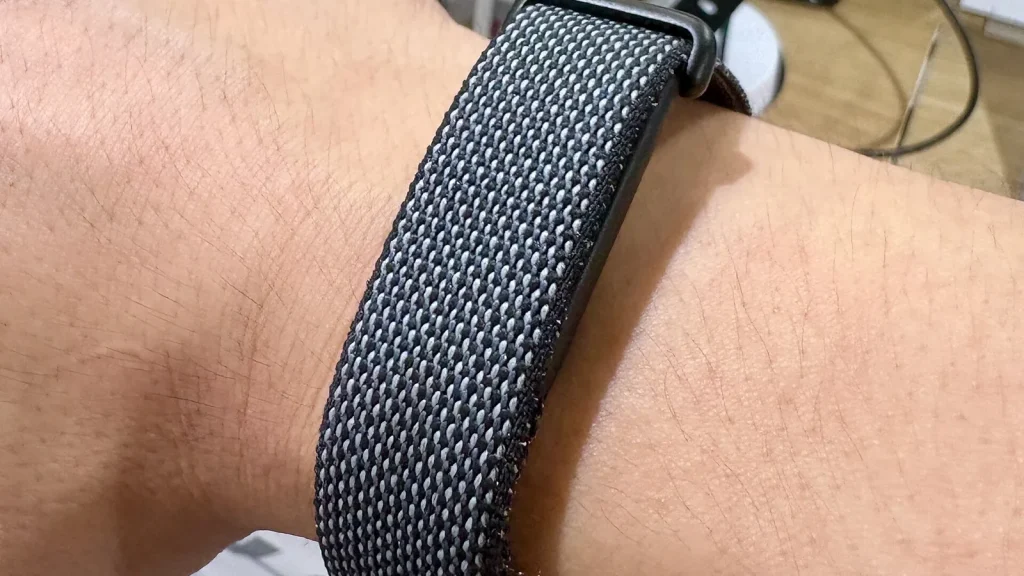
Google also added Metal Mesh bands for the Fitbit Air in Champagne Gold or Polished Silver for $69.99. A bundle with a Champagne Gold band and an Obsidian Fitbit Air costs $149.99 and is sold only at Target and the Google Store.
06
What this means for you
If you own a Pixel Watch 3, 4 or 5, update the app and switch on Health Guardian; it costs nothing. If you own a Fitbit Air or Edge, the activity detection upgrade is free and worth having, but the health trends only make sense if you were already thinking about Premium. And whichever device you use, a monthly ‘not high’ result is not a substitute for a real blood pressure check, especially if heart disease runs in your family.
07
Quick answers
Is Health Guardian free on Fitbit?
No. On Fitbit Air and Fitbit Edge it needs Google Health Premium, which costs $9.99 a month. Pixel Watch 3, 4 and 5 owners get it free.
When will I get my first Fitbit blood pressure report?
Reports arrive on the first of each month. If you set the feature up in October and meet the wear rules, your first report comes on Nov. 1.
Which devices get the new automatic activity tracking?
Fitbit Air, Fitbit Edge and Pixel Watch 3, 4 and 5. They can now detect more than 100 activity types.
Samsung's built-in news feed on Galaxy phones and tablets ends in December. Here is the exact cutoff, what gets deleted, and how to switch in under a minute.
Apple's creative app bundle is getting MotionVFX effects and AI assistants in November. Here's what it costs in the US and Canada, and when buying outright wins.
6 min read
We use cookies to understand how readers use Talk With Tech, so we can make it better. Is that OK? Privacy policy
The Daily Brief
Today's biggest tech stories, in 5 minutes
Every morning, the news that matters from AI, phones, apps and the people shaping tech. Explained in plain English. Free.
One email a day. No spam, unsubscribe anytime. Privacy policy