Buying a phone from abroad can unlock unique designs and hardware not sold in the US, and sometimes earlier releases.
Most foreign models work on many cellular bands but some may lack carrier features or Google services, complicating setup.
Warranty, software updates, and official support in the US can be limited, making repairs more challenging.
Quick read · 1 min
Thinking about buying a phone from overseas? It can unlock unique hardware or get you a new model earlier, but it comes with tradeoffs.
Why people do it: you might find designs not offered in the US or get a device before it lands here. Why it can be risky: some models won’t work with your US carrier bands, essential features may be blocked, and warranty support in the US can be limited.
What to do next: 1) check that the overseas model supports your US carrier bands. 2) confirm Google Play Services and software update timelines. 3) read warranty and return policies before buying.
Thinking about grabbing a phone from overseas to bring into the US? You’re not alone. A recent look at the pros and cons of importing foreign phones highlights big reasons people consider international models, and equally big caveats to watch for before you press buy.
In recent years, many phones sold abroad aren’t locked to a single region. That means you can access hardware you won’t find in US stores and sometimes get to market earlier. It also means you might encounter differences in carrier compatibility, software, and services that US buyers expect as a given.
01
Which phones can be imported and what to check first
Most modern smartphones are designed to work across multiple cellular bands, which makes cross-border buying more feasible. Still, not every model is a perfect fit. The biggest risk is carrier compatibility. An imported phone could work on some networks but miss essential bands used by your US carrier, leaving you with slower connections or no service at all. Some features like Wi‑Fi calling or visual voicemail may also require carrier certification for each device, so even if the phone connects to 5G, certain options might not function.
Beyond bands, you’ll want to confirm software and services. Some international models don’t include Google Play Services by default, or they may come with preinstalled apps that aren’t relevant to you in the US. Software updates can also be tied to regional versions, so an overseas model might delay or complicate updates compared with a device purchased in the US.
02
Warranty, support, and repairs in the US
Warranty coverage for imported phones can be a minefield. In many cases, brands don’t offer official US support for models sold only abroad. If you break a screen or have a battery issue, you might have to rely on third‑party repair shops, and you could be on your own for parts or service. That means longer downtimes and potentially higher costs if you can’t access official service channels in your country.
03
What’s the upside: why people consider abroad models
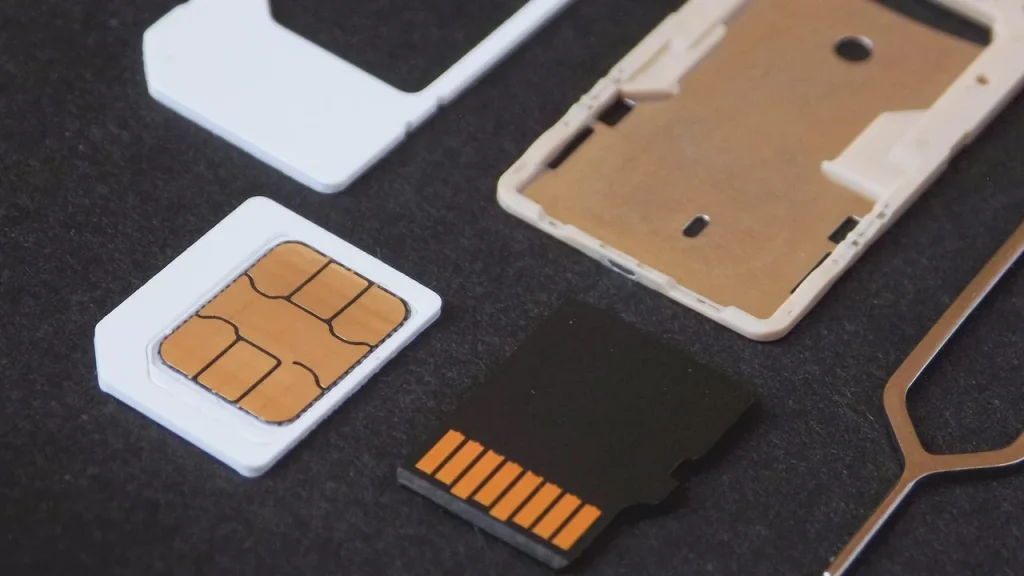
The appeal isn’t just novelty. You can sometimes find phones with features not readily available in the US, like unique foldable designs, cameras tuned for different markets, or models with larger batteries. Importing can also mean getting a device before it hits US shelves, which matters to tech enthusiasts who want the latest hardware as soon as possible. Some international variants still support two physical SIM cards, a trait that many US models have moved away from in favor of eSIM-only setups.
04
What it means for everyday life
For you, the practical question is simple: will the phone work well with your carrier, will you get timely software updates, and will it be easy to service if something goes wrong? If the answer isn’t clearly yes, you may be better off buying a model that’s officially supported in the US. On the other hand, if you’re comfortable juggling potential compatibility quirks, a foreign model can offer a different design or a shorter wait for a new release.
If you’re seriously considering importing, start with a quick gut check: does the model run on the US carrier bands you use most, and can you live with potential gaps in features or updates? Be sure to verify warranty terms and look for return options from the seller. If you’re after a particular feature or a design not available in US models, and you’re okay with the possible extra hassle, an overseas purchase can be worth it.
06
Quick answers
Will an imported phone work on my US carrier today?
It depends on the model and carrier bands. Some will work fine, others may miss essential networks or features. Check the specific US band support before buying.
What about updates and Google services?
Updates and Google services may be delayed or unavailable on international variants, depending on the model and region of sale.
Is warranty covered in the US?
Usually not by the original international seller; you may have to rely on third‑party repairs or the brand’s US support if offered.
Consider US‑sold alternatives first
Double‑check carrier compatibility
Read return and warranty options carefully
07
What happens next
The choice is yours. If you decide to pursue an imported phone, gather the model’s US band list, check for Google Play availability, and confirm warranty terms before you buy. If you stick with a US‑sold device, you’ll have official support, guaranteed network compatibility, and straightforward updates.
Main image idea: a hand holding a smartphone against a city backdrop with both US and international flags faintly in the background.
Mid article image: a close-up of a SIM tray and a network status icon on a phone screen.
Later image: a repair shop scene with a technician working on a phone.
A fresh leak hints Samsung may add DC dimming to the Galaxy S27 Pro and Ultra, aiming to cut screen flicker at low brightness without hurting image quality.