Magnetic Connect USB-C charger frees up Surface Laptop Ultra ports
Microsoft unveils Magnetic Connect, a magnetic USB-C charging method for the Surface Laptop Ultra that could let you use more ports and peripherals without giving up charging.
Talk With Tech Newsroom
The short version
Microsoft unveiled Magnetic Connect, a magnetic USB-C charging setup built into the Surface Laptop Ultra, designed to guide the charger into place and leave other ports available.
Unlike a traditional proprietary port, Magnetic Connect is not limited to a single device and could support use with other peripherals if adopted by more manufacturers.
The system relies on USB-C Power Delivery for power, so it does not increase peak charging watts beyond standard USB-C limits and does not provide wireless charging.
Microsoft signaled interest in broad industry adoption, suggesting this could affect future laptop designs and accessory markets if developers and other brands join the approach.
Quick read · 1 min
Microsoft introduced Magnetic Connect, a magnetic USB-C charging method for laptops. The idea is to snap the charger into place and keep other ports free for accessories.
What to know: it uses USB-C Power Delivery and isn’t a higher-wattage or wireless charger. Microsoft would like other makers to adopt the system, which could expand this charging style beyond Surface devices.
What it means for you: easier, more reliable charging without sacrificing USB-C ports for peripherals. The big question is how broadly other brands will pick up Magnetic Connect.
Magnetic USB-C charging for the Surface Laptop Ultra
Not a fully wireless or higher-power system
Adoption by other brands could change laptop design
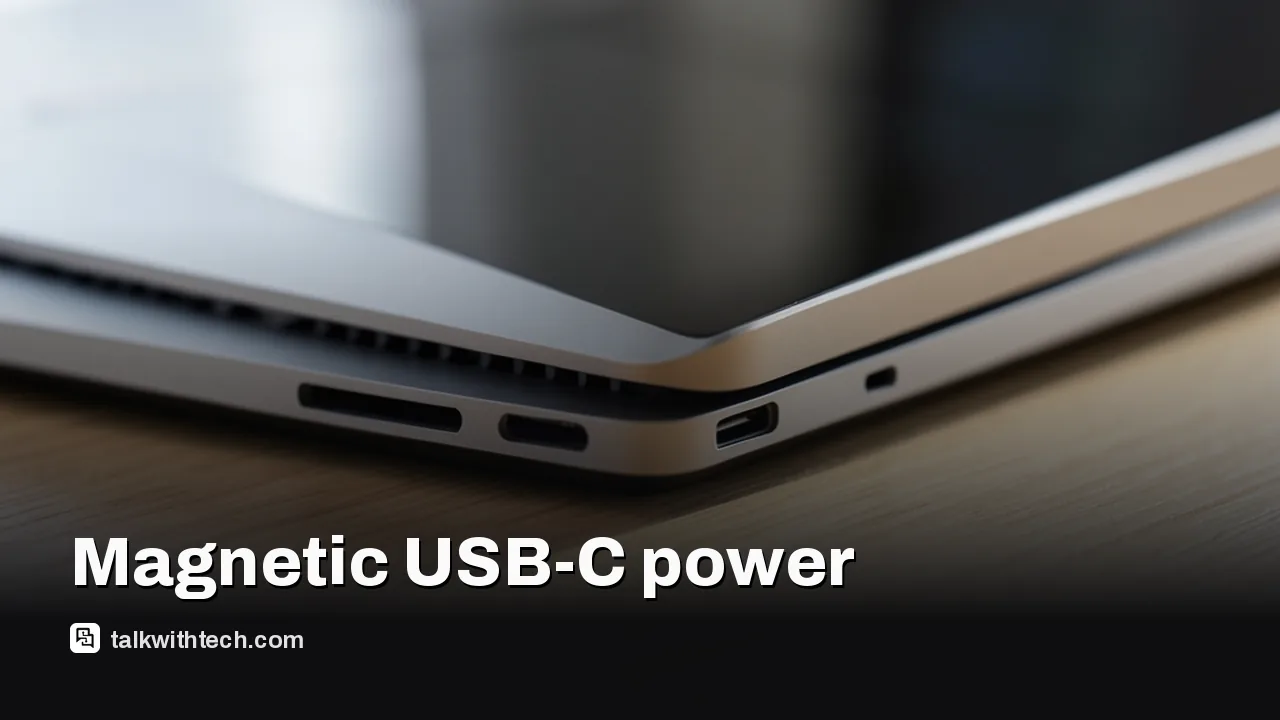
Microsoft pulled a new charging idea into the spotlight at its October event: Magnetic Connect. It’s built around a USB-C port that uses magnets to guide a charging cable into the right spot, aiming to make plugging in quick and simple while keeping other ports free for accessories.
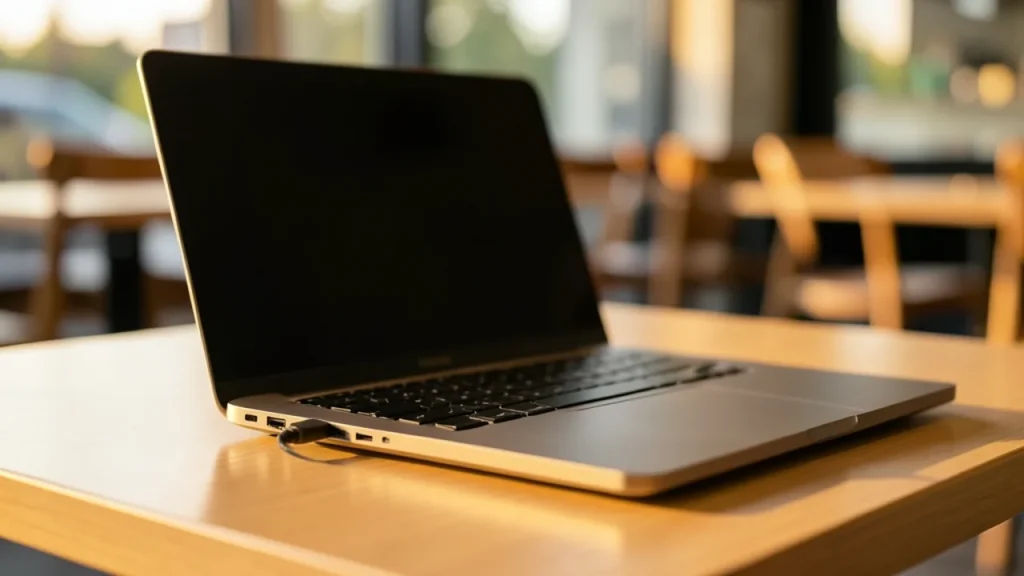
In practical terms, Magnetic Connect pairs a USB-C power delivery system with a magnetic tip. The tip slides into the port automatically, and the setup is designed so you can still use the laptop’s USB-C functions when you aren’t charging. The concept is not a strictly proprietary port; Microsoft described it as a magnet-assisted connection rather than a lock-in system for a single device. The implication is that, if other manufacturers adopt the idea, a wider range of laptops could share this magnetic charging experience.
Microsoft framed Magnetic Connect as a way to reclaim port space. The Surface Laptop Ultra, shown alongside the new charging idea, highlights the broader design philosophy: you can charge without sacrificing room for a keyboard, a monitor, or other peripherals. The magnetic cable is meant to snap into place reliably, reducing the fiddling that sometimes comes with aligning a traditional charging plug.
There are important limits to what Magnetic Connect does. It relies on USB-C Power Delivery for power, so it does not extend charging wattage beyond what USB-C PD can handle. In other words, this isn’t a wireless or higher-w wattage charging system. And it won’t magically power every high-end laptop with the same brick used by a Surface device. If a gaming laptop, for example, needs more power than USB-C PD typically delivers, users would still need a larger brick and dedicated charging port.
Microsoft didn’t offer a concrete licensing plan for Magnetic Connect beyond expressing interest in ecosystem-wide adoption. The company suggested it would welcome other manufacturers to try the approach, which could, over time, lead to more laptops shipping with magnetic charging as a standard accessory rather than a one-off feature tied to a single brand.
From a consumer perspective, the appeal is straightforward: fewer blocked ports, easier setup, and the potential for more flexible accessory support. If Magnetic Connect becomes common, you could have a single charging style that doesn’t lock you into one brand or a single device. If it stays niche, you’ll still enjoy the convenience on Surface devices and any future machines that adopt the idea.
GM is building a half-million-square-foot Battery Cell Development Center to prototype and test cheaper battery chemistries before scaling up production.
Nvidia is considering several paths with Reflection AI, a small open-weight model developer, in discussions that could lead to an acquisition, a bigger investment, or a licensing arrangement.
3 min read
We use cookies to understand how readers use Talk With Tech, so we can make it better. Is that OK? Privacy policy
The Daily Brief
Today's biggest tech stories, in 5 minutes
Every morning, the news that matters from AI, phones, apps and the people shaping tech. Explained in plain English. Free.
One email a day. No spam, unsubscribe anytime. Privacy policy