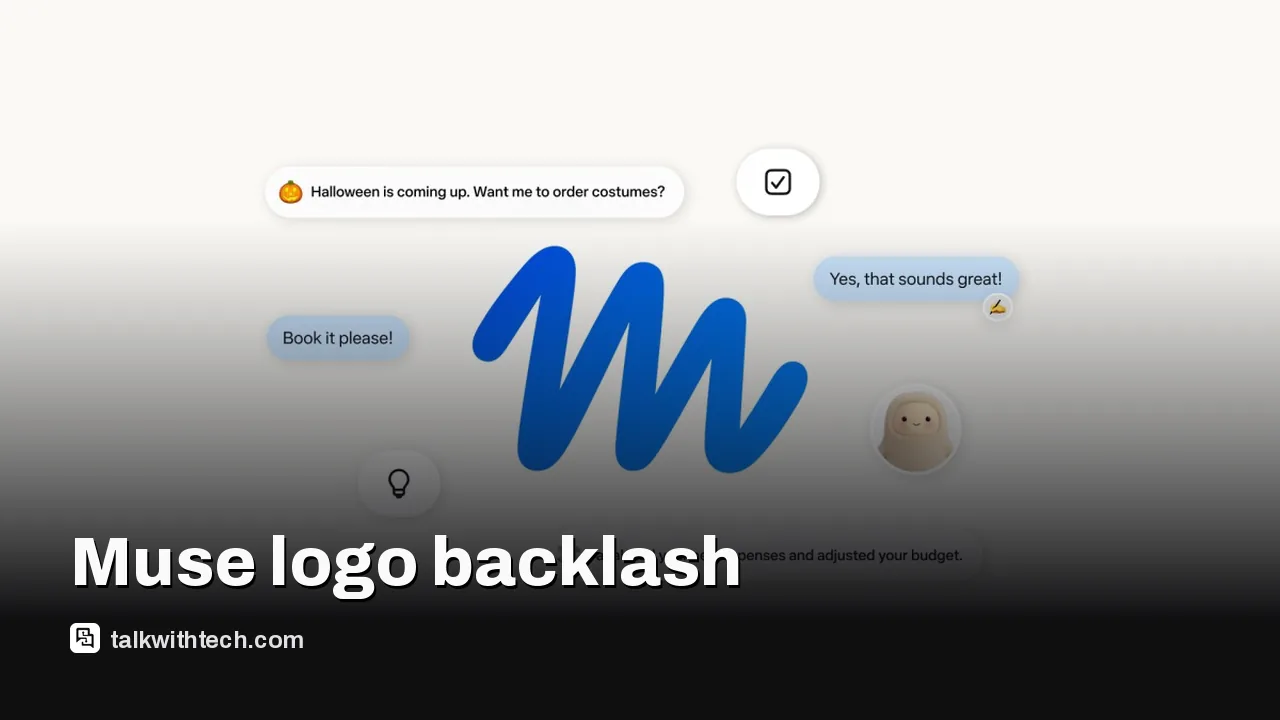
Jessica Hische designed Meta’s Muse AI logo in a two-day sprint, followed by two weeks refining the logotype.
She earned about $12,500 for the project, a sum she says supports her small business and staff.
The project sparked online backlash on Threads and elsewhere, highlighting tensions around AI, freelancers, and big tech branding.
Quick read · 1 min
Meta’s AI assistant Muse has a new logo designed by Jessica Hische. She explains she did a two-day sprint and then a couple of weeks refining the letters, earning about $12,500. The reveal drew online criticism about AI and freelancer collaborations with big tech.
For everyday readers, the story isn’t just about a logo. It shines a light on how much creative work behind the scenes helps shape the brands you interact with every day, and how that work is paid and defended in public online spaces.
Designer: Jessica Hische
Fee: about $12,500 for the sprint
Reaction: significant online backlash and thoughtful responses
Meta’s foray into an AI assistant named Muse has a branding story that isn’t fully about the product. A Bay Area lettering artist, Jessica Hische, designed the Muse logo and logotype after a short sprint. The project, and the backlash it triggered online, shone a light on the pressures freelancers face when big tech taps creative talent for high-profile branding.
Hische says she took on the work because it helped her keep staff paid and her two Oakland shops afloat. She completed the logo design in two days, followed by about two weeks on the logotype, delivering 32 different versions and a refreshed look intended to feel more inspiring and creative rather than rigid or cold.
After posting about the project, she found herself in the middle of a heated online conversation. Critics attacked the idea of a freelancer collaborating with a major tech company on AI branding, and some commenters questioned the ethics of working with Meta on a project tied to a controversial technology. Hische says she expected some pushback, but the level of vitriol surprised her.
Meta describes Muse as its latest step into the AI agent and personal assistant space, while the artist’s experience adds a human angle to the ongoing debate about AI, work, and the people who design the tools and brands we encounter every day.
01
What Muse is supposed to be, and why the logo matters
Muse is Meta’s branded AI assistant. Brands often put effort into how a product looks as a way to signal personality, trust, and usability. For designers, a logo is a short, visual contract with users about what the product aims to feel like. Hische’s goal was to refresh the familiar design language around Meta’s brand while making Muse feel dynamic and approachable, not sterile or cold.
02
How much did the project pay, and what did that cover?
Hische says she charged $12,500 for the two-day sprint and did additional work on the logotype that extended over about two weeks. She describes the payment as substantial for a small business that employs several people, including staff in two Oakland shops. She frames the fee as meaningful but not life-changing.
03
What happened online after the reveal?
After sharing the design process publicly, Hische encountered a wave of comments on Threads and other platforms. Some readers criticized the choice to work with Meta on AI branding, while others debated the ethics of freelancers partnering with large tech firms on controversial technologies. She responded to critics directly, explaining her financial pressures and the professional reasons behind her decisions.
04
What this means for everyday readers
For non-designers, the episode is a reminder that branding decisions have real people attached to them. Freelancers like Hische juggle client work, shop revenue, and payroll, even when a project goes on to reach millions of users. It also shows how heated conversations about AI can spill into discussions about who gets paid and who gets to design the visuals we associate with new tech products.
As Muse rolls out, Meta will likely continue refining its AI branding and public messaging. For readers, the takeaway is simple: the people behind logos matter, and look, feel and tone can influence whether a product feels friendly or intimidating. If you’re curious about the Muse branding, keep an eye on how Meta describes the AI assistant in future updates and advertising.
06
Quick answers
Who designed Muse’s logo?
The Muse logo was designed by Jessica Hische, a lettering artist based in the Bay Area.
How much did the project pay?
Hische says she charged about $12,500 for the two-day sprint and additional work on the logotype, spread over about two weeks.
Why did it provoke backlash?
Critics questioned AI branding and the ethics of freelancers working with large tech firms on AI projects, leading to a broader debate online about AI and creative work.
Researchers in Israel demonstrate an AI that can recreate images a person views from fMRI data, offering a glimpse of future medical and communication aids.
OpenAI's new video shows three practical Codex-assisted demos that connect telemetry, code changes and security signals to quick fixes in Grafana, Kubernetes and beyond.