Wednesday, 25 November 2026

Oppo Find X10 Pro camera early shots rival top Android flagships

First test shots of the Oppo Find X10 Pro camera looked sharp but over-processed. Now the series is out, with three 200-megapixel cameras on the Pro Max.

Oppo Find X10 Pro
Photo: 茅野ふたば / CC BY-SA 4.0 (modified)

The short version

  • Before launch, a reviewer's early Oppo Find X10 Pro test shots looked sharp and colorful but sometimes over-processed in default mode.
  • Oppo launched the Find X10 and Find X10 Pro Max globally on October 21, with Hasselblad-tuned cameras.
  • The Pro Max uses 200-megapixel sensors on all three rear cameras and saves 26MP photos by default.
  • UK prices start at £1,100 for the Find X10, while US buyers will once again find the phones hard to get.
Quick read · 2 min

Before launch, a reviewer shared early Oppo Find X10 Pro camera samples without any specs. The main and telephoto shots looked sharp and colorful, but some default photos were over-processed, with shadows brightened until scenes looked flat. Shooting in Master mode or raw fixed that.

Oppo then launched the Find X10 series globally on October 21. The camera-focused Find X10 Pro Max has three 200-megapixel rear cameras tuned with Hasselblad, saves 26MP photos by default, and offers 3x optical and 6x lossless zoom. A new LUMO True engine aims for more natural images.

  • UK prices: £1,100 for the Find X10, £1,499 for the Pro Max.
  • European units get a 7,150mAh battery, not the advertised 8,000mAh.
  • US buyers will again find the phone hard to get.

It beats last year's Find X9 Pro, but the pricier Find X9 Ultra still wins in low light and long zoom.

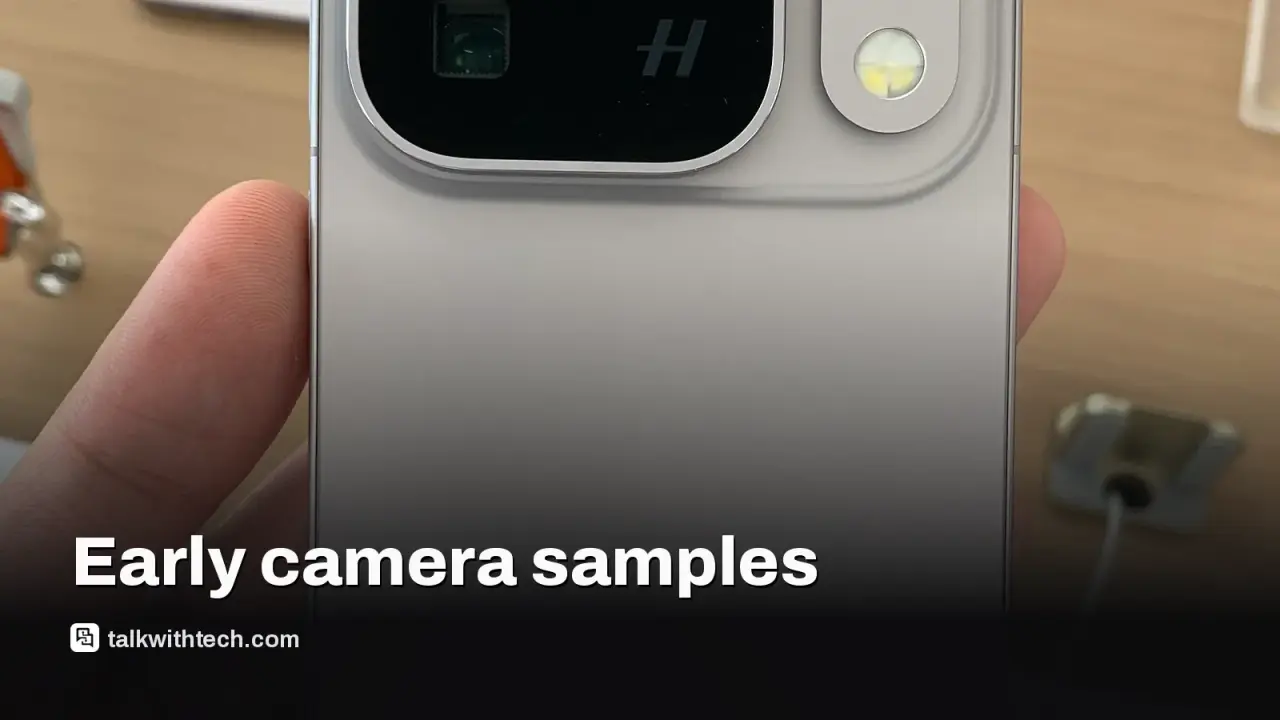
The first photos from the Oppo Find X10 Pro camera came with a gag order attached. A reviewer got a test unit weeks before launch and could share the pictures, but not a single spec: no megapixels, no zoom level, not even what powered the cameras.

Those teaser shots mattered because Oppo’s last phone, the Find X9 Ultra, set a high bar for Android photography. If you are shopping for a camera-first phone this winter, the question is simple: is the new model better, and can you actually buy it where you live? Now that the series has launched, we have the answers, and both come with a catch.

01

What the early Oppo Find X10 Pro camera shots showed

The pre-launch photos were taken on walks around Edinburgh in sunny weather. The main camera produced sharp images with lots of detail and natural color. The ultrawide was a little flatter but still detailed, and the telephoto shots looked crisp and vibrant.

The weak spot was processing. In some default-mode shots, the phone pushed its HDR (the trick of blending exposures to brighten dark areas) too far, lifting shadows until scenes looked flat and unrealistic. The tester said most phones overdo this, the Find X9 Ultra included.

The fix was Oppo’s Master mode, which lets you set white balance yourself and shoot in DNG raw, a format that skips the phone’s automatic and AI processing. A few other features from earlier models also showed up:

  • Several color filters, with filmic and punchy looks.
  • Hasselblad’s XPan mode, which crops to a wide, narrow frame inspired by a classic panoramic film camera.
  • An optional add-on telephoto lens for longer zoom, which managed sharp bird shots after some focus hunting.

A separate early test of the Find X10 and Find X10 Pro Max found the camera app fast, with instant switching between lenses. The one gripe was that Oppo removed the dedicated side camera button that the Find X9 Pro phones had.

Phone with prominent rear camera module beside a compact camera on concrete.
02

The final specs: three 200-megapixel cameras

Oppo announced the global Find X10 series on October 21. It has two phones, both with cameras co-developed with Hasselblad: the Find X10 and the Find X10 Pro Max.

The Pro Max is the camera flagship. It puts 200-megapixel sensors on all three rear cameras, main, ultrawide and telephoto, with a 50MP selfie camera on the front. The regular Find X10 has 200-megapixel main and telephoto cameras and a 50MP ultrawide.

A few details matter more than the headline number:

  • By default, photos are saved at 26MP across the zoom range. You switch to a high-resolution mode if you want every pixel.
  • The telephoto gives 3x optical zoom and reaches 6x by cropping into its large sensor.
  • The telephoto can focus as close as 10 centimeters, which is handy for close-up shots of small things.
  • The ultrawide covers a 124-degree view.

Oppo also added a new image engine it calls LUMO True, meant to cut down on heavy sharpening and invented detail. One hands-on review found it does make fewer AI guesses on text and patterns than the Find X9 Pro and Ultra. That answers the over-processing worry from the early shots, at least in part.

Play video: Apple iPhone 18 Pro Max vs iPhone 17 Pro Max
03

The phone around the cameras

The camera hardware sits on top of a fast, big-battery phone. The Pro Max runs MediaTek’s Dimensity 9600 Pro, built on a 2nm process, which puts it among the first phones sold worldwide with a chip that small. The regular Find X10 uses the 3nm Dimensity 9600M.

The Pro Max screen is a 6.78-inch AMOLED panel that adjusts its refresh rate from 1Hz up to 144Hz, although the top speed only applies in supported games. Both phones ship with ColorOS 17 on Android 17.

Oppo is also leaning on AI for photos. A tool called AI Photo Agent suggests edits and lets you describe changes in plain language, but it is rolling out gradually and comes with monthly usage limits that vary by country. Both phones are rated IP66, IP68 and IP69 against water and dust.

Hands holding phone at chest height composing a street photo on a sidewalk.
04

Is it better than the Find X9 Ultra?

Not across the board. The Find X9 Ultra, launched only months earlier, remains Oppo’s top camera phone. It has a bigger main sensor from Sony, while the Find X10 Pro Max moved to a Samsung sensor. In side-by-side tests, the X9 Ultra did better in low light, and its zoom reaches 10x versus 6x lossless on the new phone.

Against last year’s Find X9 Pro, though, the X10 Pro Max is a clear step up. It focused better in dim light and captured more detail in every mode tested. Oppo also claims up to 17 stops of dynamic range for video from its new DeepPix sensor technology, though early testing found only small gains.

Video fans get 4K at up to 120 frames per second and 8K at 30, plus Dolby Vision and a log format for color grading. The add-on teleconverter lens also returns, but you need a new case and plate for this model, and the plate still covers the other cameras while mounted.

05

What it means if you live in the US, UK or Canada

For most American readers, this is a phone to admire from afar. One hands-on review warned that US buyers will again find Oppo’s newest phone hard to get. Oppo has not announced an official US or Canadian launch in the reports we checked.

The UK does get it. The Find X10 costs £1,100 with 256GB of storage or £1,250 with 512GB, and the Pro Max is £1,499 for 512GB. Launch offers in Britain included a free accessory, such as the Hasselblad Teleconverter, plus a trade-in bonus. In Europe, the Pro Max is about €1,800.

There is one more catch. Both phones advertise batteries of up to 8,000mAh, but European versions, including UK units, ship with a smaller 7,150mAh battery. Both support 80W wired and 50W wireless charging.

If you want a phone that takes great photos without fuss, the early shots suggest leaving it on default mode will sometimes look overcooked. Master mode and raw shooting give you more natural results if you are willing to edit.
06

Quick answers

Is the Oppo Find X10 Pro sold in the US?

Not officially in the reports we found. Reviewers say US buyers will struggle to get it, while the UK and Europe have official prices.

Does it really shoot 200MP photos?

Only in its high-resolution mode. By default, the phone saves 26MP images, which keeps file sizes manageable.

How much is the Find X10 Pro Max in the UK?

It costs £1,499 with 512GB of storage at launch.

You're reading the quick version.