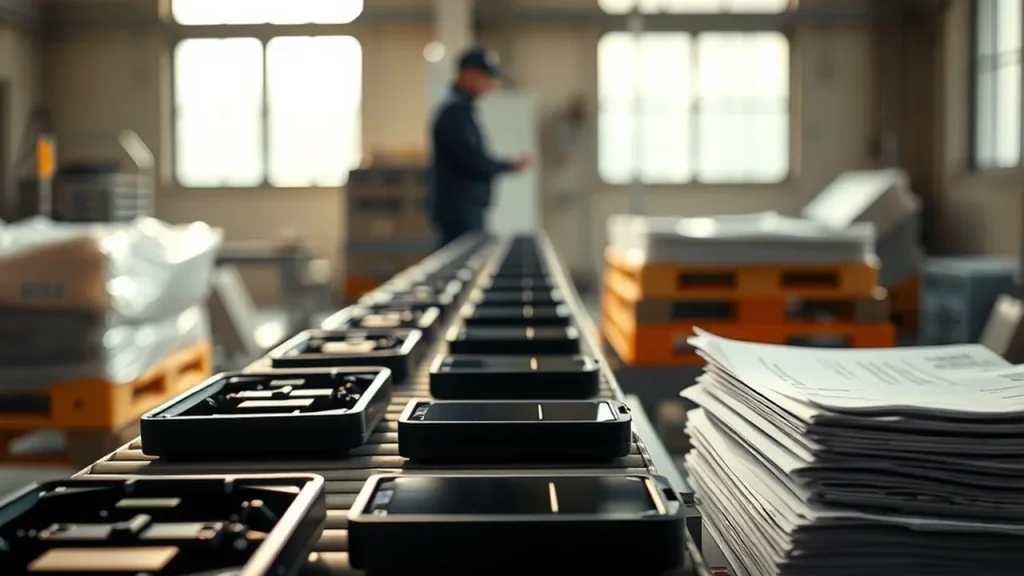
Samsung’s MX division reportedly told suppliers to cut component orders by 20–30% for the last quarter of the year.
Analysts say the pullback is driven by rising memory chip costs and tightened margins, even as flagship models remain popular.
Expected total smartphone shipments could fall from around 270 million this year to just over 200 million after the cut.
The move underscores profitability challenges in hardware where AI-related memory demand is squeezing chip supplies and prices.
Quick read · 1 min
Samsung plans to cut smartphone production by up to 30% in Q4, citing higher memory chip costs. The shift comes as suppliers are told to ship 20–30% fewer components, potentially reducing total phone shipments from about 270 million this year to just over 200 million.
This isn’t a demand collapse. Memory prices are rising, and AI workloads are driving chip demand, squeezing margins in hardware. Analysts will be watching how this affects flagship launches and restocks in the near term.
Memory costs are the main driver behind the cut.
Shipments could dip more than 30% year over year if the trend continues.
Resulting availability may affect model options and promos for consumers.
Samsung is reportedly dialing back its smartphone output by as much as 30% in the fourth quarter, a move tied to rising memory chip costs rather than weak demand. Industry sources say Samsung’s Mobile eXperience (MX) division has instructed suppliers to ship 20% to 30% fewer components for the rest of the year. That’s a sharper cut than some analysts expected and signals a strategy to protect profitability amid shrinking margins.
The memory market is the pinching point. Data show LPDDR5X memory used in smartphones has climbed in price, and AI workloads are driving increased demand for memory chips across the industry. If memory prices stay elevated, Samsung’s hardware profits could stay under pressure even as demand for premium models remains healthy in parts of the market.
Even with strong sellers like premium foldables, Samsung’s overall shipments are expected to dip as a result of these cuts. Before the changes, analysts forecast as many as 270 million phones could be shipped this year. With the production pullback, the company could end the year just above 200 million units, a material drop that would tighten the gap between production plans and actual sales.
Samsung has already benefited from its memory business in other areas, including AI-related products, but the current move shows the company is prioritizing unit profitability over output. How this balance shifts will depend on how memory prices trend and how quickly suppliers can adapt to the revised production targets.
01
Which phones are affected by the cut?
The report doesn’t single out specific models. It frames the cut as a broader reduction in component orders that would affect overall production capability across the range, from midrange to flagship devices. Samsung’s flagship Galaxy line typically drives the year’s big sales, while older models fill out the rest of the lineup. The pullback could slow new model availability if the reshuffling continues into next year.
02
Why memory costs are driving this move
AI demand is boosting the need for high-end memory chips, and supply in that segment has become tighter. When memory prices rise, manufacturers must decide whether to push through higher costs or reduce production to protect margins. Samsung’s decision to curb output appears to be the latter, aiming to keep the business financially healthier even if it means fewer devices reaching shelves this quarter.
03
What this means for everyday shoppers
For U.S., U.K. and Canada buyers, the immediate effect may be less product variance on shelves in the short term and potential shifts in promo timing for flagship devices. If production stays constrained, new Galaxy models might land later than expected or in tighter supply, which could influence pricing and carrier offers. If you’re shopping for a phone soon, be prepared for potentially fewer color or storage options and watch for restock notices.
04
What happens next
Samsung’s leadership has not publicly commented on the report. The company will likely announce quarterly results that reveal how much the cut affected shipments and margins. Analysts will watch memory chip prices closely in the coming weeks to gauge whether this is a temporary adjustment or the start of a longer shift in Samsung’s mobile strategy.
Not necessarily, but you might see fewer models or colors at retailers if inventories tighten in the near term.
Does this mean Samsung is in trouble?
The move suggests profitability pressure in the phone business rather than a collapse in demand. Samsung is adapting to higher memory costs while leaning on its broader product portfolio.
When will we know more?
Watch for quarterly results in the coming weeks, where leadership will explain the production plan and any impact on shipments.
Manus raises more than $500 million in its first funding round since Meta pulled the plug on the acquisition, signaling renewed investor confidence in AI agent tech.