Microsoft shifts Copilot agents to run on-device for local files
Microsoft plans to run Copilot-style agents and models on devices, not in the cloud, with a Surface Laptop Ultra model and Nvidia silicon front and center.
Microsoft is reportedly moving Copilot agents to run on-device rather than in the cloud.
The plan includes a Surface Laptop Ultra and Nvidia-based silicon tailored for on-device AI tasks.
People should expect tighter controls over data as processing shifts to local hardware.
This change could affect performance, privacy, and how you interact with files and apps on Windows.
Quick read · 1 min
Microsoft reportedly plans to run Copilot-style agents on your PC, processing AI tasks locally rather than in the cloud. The plan centers on a Surface Laptop Ultra and Nvidia-based silicon made for on-device AI.
Why it matters: data could stay on your device longer, potentially boosting privacy, and you might see faster AI responses when you’re offline. Money and accessibility will hinge on official specs and pricing.
On-device AI could reshape Windows apps
Hardware matters: new Surface Ultra + Nvidia chips
Privacy defaults and controls will be key
The big shakeup isn’t another cloud feature. Microsoft is reportedly planning to run Copilot-style agents and large language models directly on your device, with a focus on local processing rather than sending everything to the cloud. In other words, your files could be analyzed and interpreted by AI right on your PC instead of in remote servers. The details point to a Surface Laptop Ultra lineup paired with new Nvidia-based silicon designed for on-device AI tasks.
Why this matters: on-device AI could change how you use Windows apps, manage files, and protect your data. If your AI helpers can work offline or with less data leaving your device, that could mean faster responses in some cases and more privacy in others, depending on how the software is implemented. It also signals a broader push to make AI features more capable without relying exclusively on cloud connections.
01
What this means for your PC hardware
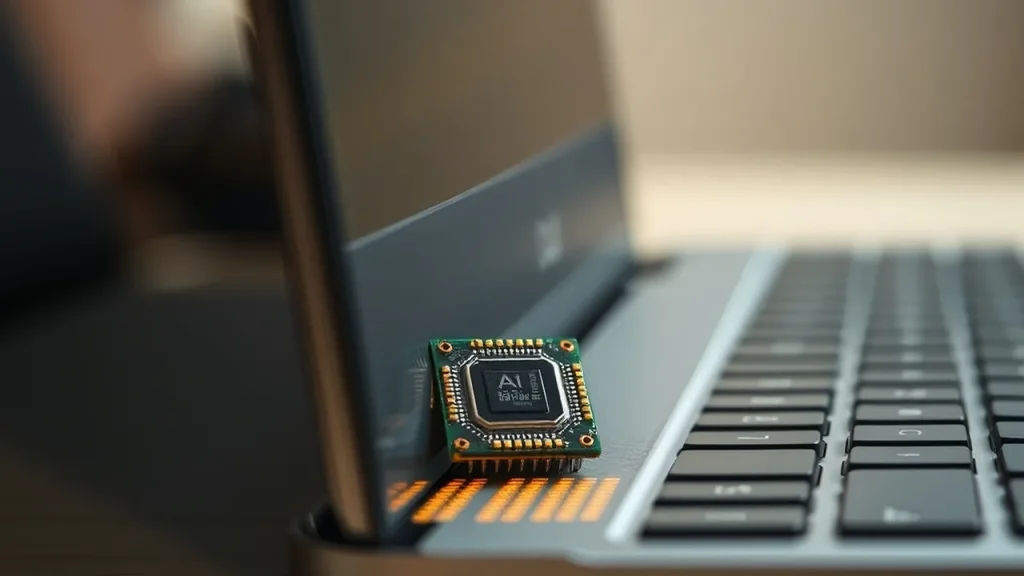
Two pieces of hardware appear at the center of this plan. First, a Surface Laptop Ultra model that would host the Copilot agents. Second, Nvidia-based system-on-chips (SoCs) intended to accelerate on-device AI tasks. The combination would be tuned to run complex AI tasks locally, reducing the need to constantly ping cloud servers for every action.
02
What happens to your data and privacy
Shifting AI work onto devices has obvious privacy implications. On one hand, data can stay on your device longer, potentially reducing exposure through cloud transfers. On the other hand, more powerful AI on-device could still require data to be stored locally or synced with services, depending on how the feature is configured. It’s not yet clear how Microsoft will handle defaults, opt-outs, or enterprise controls for business customers.
03
Performance and usability changes to expect
If you’re using a Windows PC with the new hardware, you could see faster AI responses in certain apps, especially where short, context-aware tasks are common. The on-device approach may also offer better performance when your internet connection is slow or intermittent. However, early hands-on impressions will hinge on software tuning and how well the AI models balance local compute with occasional cloud help for more demanding tasks.
04
What this could mean for developers and ecosystem partners
Software developers may gain new opportunities to tailor AI features for offline or hybrid modes. Apps could start offering on-device AI experiences that don’t rely on cloud latency, while providers of AI tooling may need to optimize for the hardware specs of the proposed Nvidia-based SoCs. This could shape how Windows apps integrate Copilot features in the near term.
Right now, this is a plan and a direction. There’s no final product readout or launch date in the public arena yet. If you’re considering new Windows hardware specifically for AI features, you’ll want to watch for official announcements about exact models, specs, and pricing, especially how much of Copilot’s power will live on-device versus in the cloud.
06
What happens next
The next steps will likely include official confirmations from Microsoft about product timelines, safety and privacy defaults, and developer tools for on-device AI. Until then, this remains a promising but unconfirmed roadmap item that could influence future Windows PCs and how we interact with our files and apps.
07
Quick answers
Will Copilot run on my current PC?
Not yet. The plan centers on a Surface Laptop Ultra and Nvidia-based hardware designed for on-device AI. Existing devices would likely require new hardware to support the feature.
How will this affect privacy?
On-device AI can reduce data sent to the cloud, but officials have not said how data will be stored or managed on devices, so expect more details on defaults and controls as announcements come.
Manus raises more than $500 million in its first funding round since Meta pulled the plug on the acquisition, signaling renewed investor confidence in AI agent tech.