Missed ITAR alert let UPS send F-35 parts to Hong Kong
A UPS shipment carrying sensitive F-35 cockpit canopy and weapons-bay door components was allegedly rerouted through Hong Kong after an employee missed an ITAR alert, raising questions about secure handling of military tech.
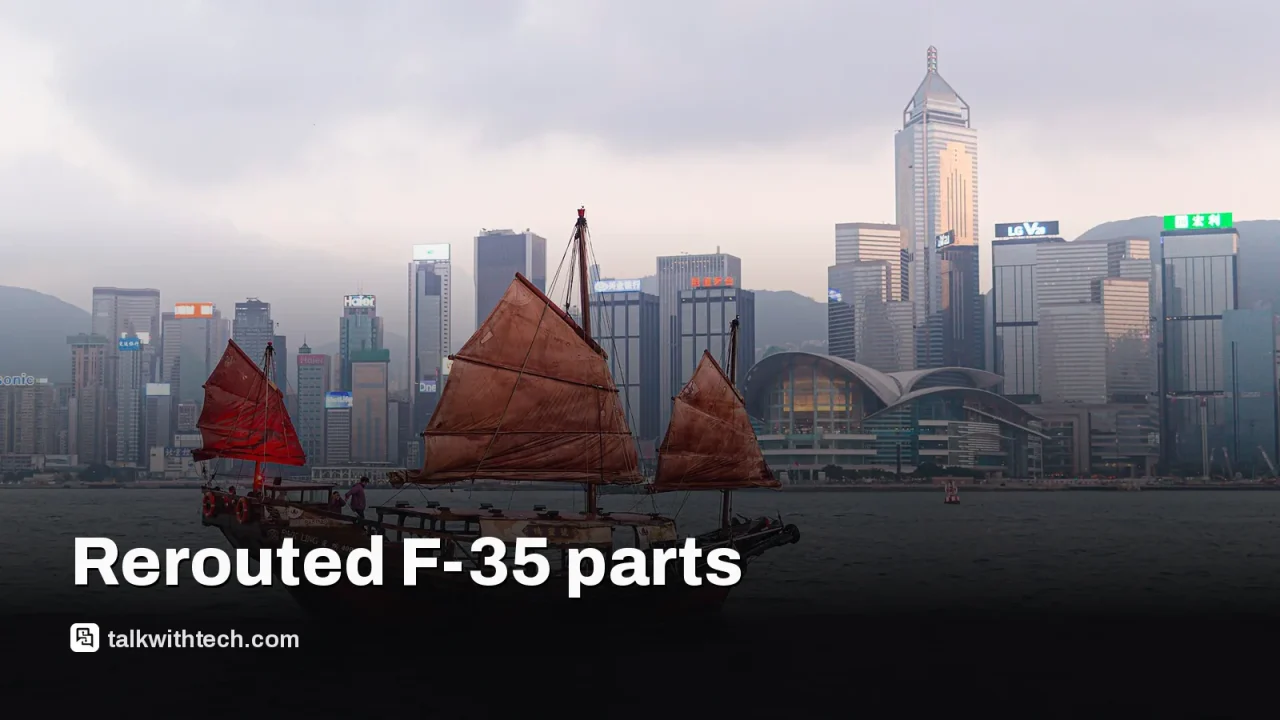
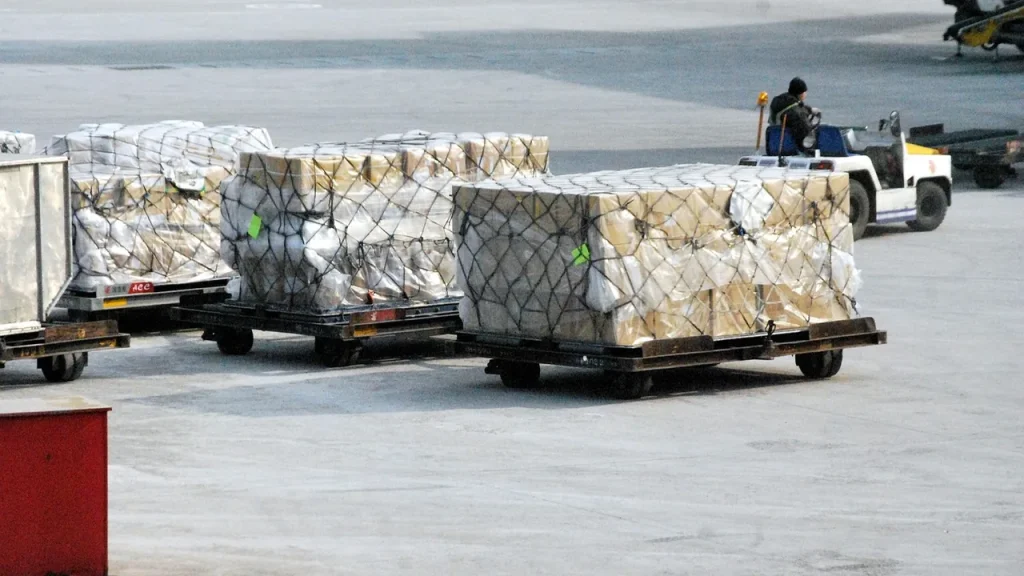
A shipment containing F-35 cockpit canopy and weapons-bay door parts was diverted to Hong Kong instead of routing through Korea or Taiwan.
Bloomberg reports an ITAR-related email about secure routing never reached the UPS agent, leading to the speed-focused diversion.
China reportedly took possession of the parts in Hong Kong, with no public indication they will be returned.
Quick read · 1 min
A shipment carrying F-35 parts was diverted through Hong Kong after an ITAR alert about secure routing never reached the UPS handler, according to reports. The cargo included a cockpit canopy and weapons-bay door with stealth coating. The Chinese government reportedly took possession of the parts in Hong Kong, with no public word on return. The incident underscores how gaps in cross-border logistics can raise national security questions and impact defense supply chains.
For everyday readers, it’s a reminder that complex rules govern how high-value tech moves around the world, and a missed instruction can slow deliveries or change who holds critical components. Look for updates on ITAR compliance and carrier controls in the coming days.
What happens next? Officials may tighten routing checks and staff training to prevent similar misses, especially for sensitive shipments.
A high-security shipment of F-35 parts reportedly took an unusual detour, ending up in Hong Kong after a misstep in ITAR notice routing. The parts, which include a cockpit canopy and a weapons-bay door coated with radar-absorbing material, were headed from Australia to the United States for inspection when the diversion occurred. Bloomberg reports the message telling the carrier to follow ITAR rules never reached the UPS agent, and the shipment was routed through Hong Kong to save time.
ITAR, or the International Traffic in Arms Regulations, governs how sensitive defense equipment is shipped. Hong Kong is on a restricted list for such shipments, which makes the routing puzzling and risky. The original plan reportedly had the cargo traveling from Australia to the U.S. via safer transit paths such as South Korea or Taiwan, but the email about ITAR compliance appears not to have reached the person handling the consignment at UPS.
In the wake of the diversion, the Chinese government reportedly took possession of the parts in Hong Kong. There have been no public statements confirming or denying that any party has the parts now, and UPS or DSV, the logistics partners involved, haven’t publicly commented on the incident.
The Pentagon and Lockheed Martin have not released new statements about this specific shipment, but officials have described the missing cargo as unserviceable components in previous discussions. Bloomberg’s reporting suggests the mishap exposed gaps in cross-border logistics for high-visibility defense freight and may invite closer scrutiny of ITAR-compliance processes within major carriers.
01
What exactly happened, and why it matters
In plain terms, a routine security check for defense parts went missing in transit. The result is a shipment carrying sensitive stealth-related hardware being routed through a territory that complicates its legal protections. For readers, the takeaway is that even top-tier logistics operate on thin margins of human error, and a missed instruction can trigger big security and policy questions about how such parts are handled abroad.
Experts say the incident highlights how ITAR compliance relies on precise communications between manufacturers, freight forwarders, and carriers. When one link fails, the risk isn’t just a delay, it could touch on national security interests and the integrity of supply chains for key military systems.
For the U.S., the event underscores ongoing scrutiny over how sensitive military hardware moves through global networks. It also raises questions about the availability of spare parts and the risk of delays that could affect readiness unless controls are tightened across international shipments.
02
Which parts were involved
The parts are described as cockpit canopy and weapons-bay door assemblies for the F-35, coated with radar-absorbing material meant to enhance stealth. While the parts are serviceable components rather than the airframe itself, they still sit high on the list of items protected under ITAR rules.
03
What this means for your everyday life
Most readers won’t handle fighter jet components, but the story matters because it shows how complex and fragile global logistics can be when national security is at stake. If you rely on supply chains for electronics or other high-value items, a reminder here is that even routine shipments can be affected by cross-border rules and miscommunications, potentially slowing down deliveries or raising costs.
04
What happens next
Officials have not provided new details about the fate of the parts. Look for updates on ITAR compliance practices at major carriers and any formal inquiries or audits triggered by this diversion. As regulators and defense contractors review these events, expect more scrutiny of how confidential shipments are tracked and documented across borders.
There is no official confirmation about returning the parts; current reports say they are in Hong Kong, with no clear timeline for release.
What caused the diversion?
Bloomberg reports the ITAR routing email never reached the UPS agent, leading to a speed-oriented routing through Hong Kong.
What should readers do now?
For individuals, there’s not a direct action. For customers and businesses moving sensitive equipment, the lesson is to double-check ITAR communications and ensure all routing instructions reach the correct handler at every step.
06
What happens next
Watch for official statements about ITAR processes and any changes carriers might adopt to prevent similar misses. The story could prompt tighter controls on cross-border defense shipments and increased training for staff handling urgent, sensitive consignments.
07
Quick answers
Why is this important for national security?
Even small missteps in routing can expose sensitive technology to scrutiny and risks, potentially affecting readiness and security policy.
Raheim Hamilton, co-creator of Empire Market, gets 40-year prison term for running a platform that facilitated hundreds of millions in illegal drug sales and other crimes.
In Kakuma, refugees use AI tools to research and translate, but pay is inconsistent and transparency is uneven. Here’s what it means for ordinary workers.
3 min read
We use cookies to understand how readers use Talk With Tech, so we can make it better. Is that OK? Privacy policy
The Daily Brief
Today's biggest tech stories, in 5 minutes
Every morning, the news that matters from AI, phones, apps and the people shaping tech. Explained in plain English. Free.
One email a day. No spam, unsubscribe anytime. Privacy policy