Disrupt 2026 side events offer demos, dinners and investor meetups
Beyond the Moscone West stages, Disrupt Week filled San Francisco with country pavilions, hardware happy hours and investor mixers, and a lab-grown organ startup took the top prize.
TechCrunch Disrupt 2026 ran October 13 to 15 at Moscone West in San Francisco, drawing about 10,000 attendees.
Side events across the city ran from October 10 to 16, from robot bartenders to invite-only investor drinks.
Countries including Ireland, Korea, Poland, Norway, Taiwan and Pakistan used the week to showcase their startups.
Denver-based Intero Biosystems, which grows tiny human intestine tissue for drug testing, won the $100,000 Startup Battlefield.
Quick read · 1 min
TechCrunch Disrupt 2026 took over Moscone West in San Francisco from October 13 to 15, with about 10,000 attendees and more than 300 startups on the show floor. Around it, Disrupt Week side events ran across the city from October 10 to 16.
Highlights ranged from a robot bartender happy hour and a job-hunting game show to investor mixers and hardware meetups. Several countries, including Ireland, Korea, Poland, Taiwan and Pakistan, hosted events to connect their startups with US investors.
Many side events were free to register and didn't need a conference ticket
The main agenda focused on AI, robotics and venture funding
Intero Biosystems won the $100,000 Startup Battlefield
If you want to go next year, watch TechCrunch's side events listings early, as popular events fill up quickly.
A robot bartender mixing custom cocktails. A job-hunting game show where the audience votes on your résumé. A startup pitch night aboard a historic ship on the San Francisco waterfront. TechCrunch Disrupt 2026 ran October 13 to 15 at Moscone West, but much of the action happened in dozens of side events across the city from October 10 to 16.
Why does that matter if you weren’t there? Because side events are where much of the real business of a tech conference gets done. Founders meet investors over drinks, countries pitch their startups to American buyers, and partnerships start in a bar rather than a booth. They’re also usually free or cheap to attend, which makes them the most accessible part of a big tech week for anyone hoping to break into the industry.
01
How TechCrunch Disrupt 2026 side events worked
Side events at TechCrunch Disrupt 2026 were gatherings hosted by startups, investors, governments and other organizations around San Francisco during Disrupt Week. TechCrunch listed them on its site in three views: featured events from its partners, a full lineup, and a day-by-day schedule.
Most were evening mixers, happy hours, demo nights, dinners and workshops. Many required registering in advance, and some were invite-only or had limited space. A handful offered perks: the Korea Pavilion, for instance, gave out a limited number of free Expo+ passes to qualified applicants who didn’t already have a Disrupt ticket.
02
The standout side events of Disrupt Week
The schedule started before the conference did and ran a day past its close. A sampling of what was on, day by day:
Saturday, October 10: a morning workshop by PrincipiumX on using first-principles thinking to find overlooked customer needs.
Sunday, October 11: an AI Barmen happy hour with a robotic bartender making personalized drinks, a physical AI demo night where ten early-stage startups pitched hand-picked investors, and an international reception at the European Startup Embassy.
Monday, October 12: a hardware happy hour by Syntro for people building robots, chips and rockets, an NMI mixer on payments for software companies, a future-of-work demo night, and Khwajalabs’ Open to Work game show for job seekers.
Tuesday, October 13: Enterprise Ireland’s Irish Shark Tank at Ireland House, a SafetyWing happy hour at Harrington’s Irish Pub, a Korean founder night with 18 startups, and an invite-only drinks event for AI founders and accredited investors.
Wednesday, October 14: a Peak XV Partners ecosystem mixer, a private markets cocktail party from Augment and Mintz, a ping-pong night on security and identity from Skyflow and Descope, and The Afterburn, a no-panels mixer from Backblaze and Flamethrower.
A recurring theme: many hosts promised no pitches, no panels and no formal program. After three days of stage talks, the selling point was simply conversation.
03
Countries used Disrupt to court US investors
Some of the biggest side events were run by governments and trade agencies trying to connect their startups with American money and customers.
Poland’s investment and trade agency and the Upper Silesian Fund hosted an evening aboard the historic Klamath ship. Innovation Norway and the Royal Norwegian Consulate held a fintech night celebrating the Norwegian startup Aparta’s spot in the Startup Battlefield 200. Taiwan’s Ministry of Economic Affairs pitched the island’s role in AI hardware and robotics, and Korea’s KOTRA ran an investor night alongside a Korea Pavilion showing 25 startups in the Expo Hall.
Pakistan brought around 20 technology companies to a Pakistan Pavilion at Moscone West, covering AI, fintech, software and chip design, and its software export board hosted a Pak-US Tech Connect event. Pakistan’s ambassador to the US, Rizwan Saeed Sheikh, visited and urged the companies to build long-term partnerships in the American market, which is already Pakistan’s biggest buyer of tech services.
04
What happened on the main Disrupt 2026 agenda
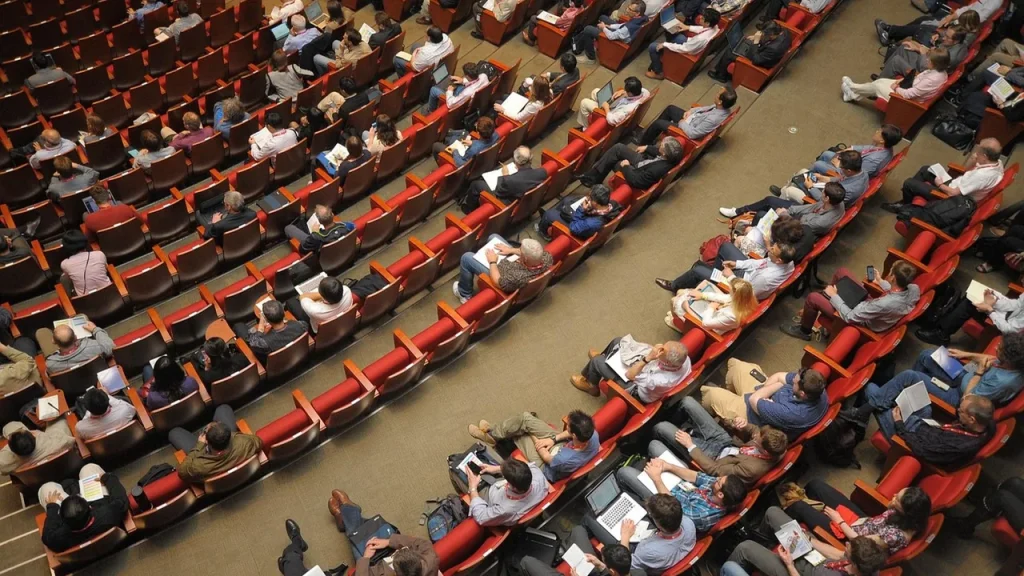
Inside Moscone West, the conference drew about 10,000 founders, investors and tech workers, with more than 300 startups in the Expo Hall. The agenda leaned heavily on AI, from robots and AI hardware to public safety and venture funding.
Day two featured speakers from Nvidia, Waabi, Flock Safety and Recursive Intelligence, plus all five partners from venture firm Benchmark on the Disrupt Stage. A Real-World AI stage included live robot demos, among them a humanoid robot from Agility Robotics.
The headline contest was Startup Battlefield. Twenty finalists from the Startup Battlefield 200 pitched in four themed semifinals, from space and physics to health tech, with six minutes each on stage. Five made the final: Apate, Flox Intelligence, Intero Biosystems, IndustrialNext and Satlyt.
On October 15, Denver-based Intero Biosystems won the $100,000 prize and the Disrupt Cup. Spun out of the University of Michigan, it grows 1-millimeter human intestinal organoids, lab-grown tissue that mimics the gut, so companies can test how drugs affect the body before human trials. Australia’s Apate, which sends AI agents posing as would-be victims to engage scammers and gather intelligence, came second.
What the side events mean for founders and job seekers
If you’re building a startup or looking for a tech job, the lesson from Disrupt Week is that you don’t need a full conference pass to get value from it. Many side events were open to anyone who registered, and several were built around specific groups, from South Asian founders to Harvard alumni to people between jobs.
If you plan to go next year:
Watch for TechCrunch’s side events page in the weeks before the conference, since popular events fill up fast.
Pick events by audience, not by free drinks. A hardware happy hour is more useful to a robotics founder than a general mixer.
Look at country pavilions if you sell abroad or want to hire internationally. They often bring companies actively looking for US partners.
06
Quick answers
When was TechCrunch Disrupt 2026?
The conference ran October 13 to 15, 2026, at Moscone West in San Francisco. Side events around the city ran from October 10 to 16.
Who won Startup Battlefield at Disrupt 2026?
Intero Biosystems, a Denver startup that grows tiny human intestine tissue for drug testing, won the $100,000 prize and the Disrupt Cup. Apate finished second.
Did you need a Disrupt ticket for side events?
Usually not. Most side events were run separately by their hosts and required registering with them, though some were invite-only or had limited space.
The $17 billion deal promises one membership instead of two, but nothing changes until late 2027 at the earliest. Here's what to keep, cancel or watch.