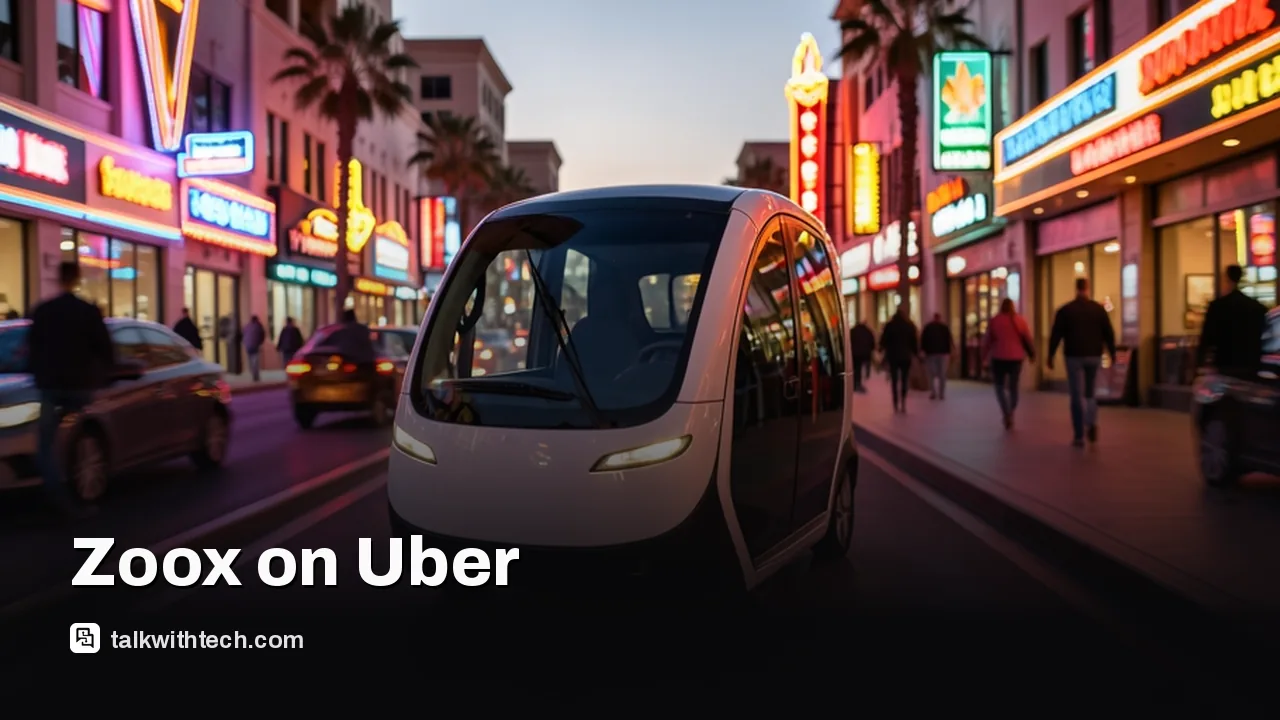
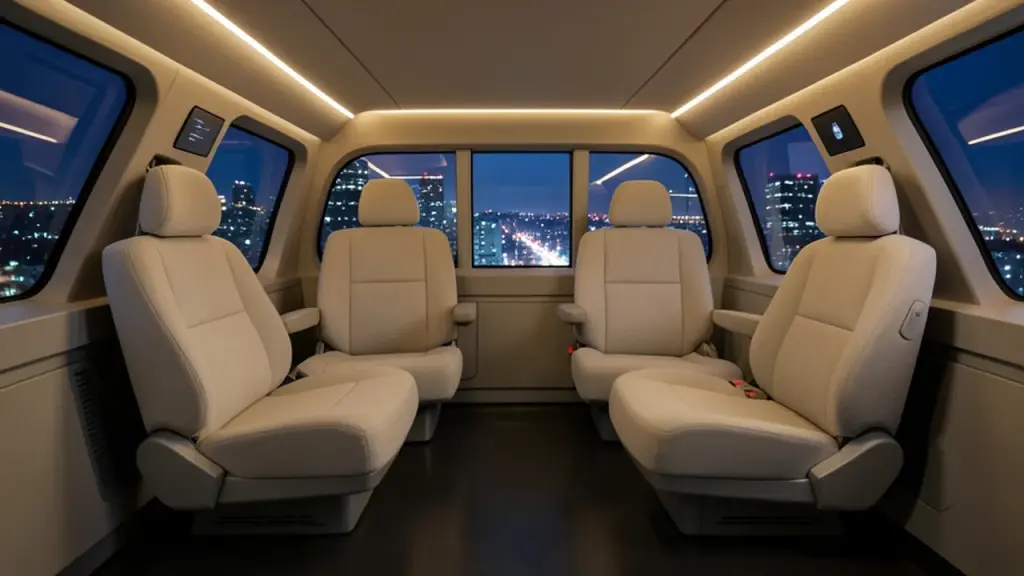
For anyone visiting Las Vegas, the practical upshot is simple: you can try a purpose-built robotaxi using an app you already have, with no new account and no premium price. The tradeoff is uncertainty. You won’t know whether you’re getting a pod until Uber assigns it, and the zone is limited to the busiest parts of town.
For Uber, the deal fits a bigger plan. The company stopped building its own self-driving tech and now wants to be the app every robotaxi maker plugs into. It has said it will commit more than $10 billion to partners and hopes to have over 2,000 driverless taxis available to customers in 2027. Waymo, by comparison, has 4,000 vehicles across the US today, and its exclusive Uber arrangement in Austin and Atlanta ends in January 2028.
Los Angeles is next. Zoox will begin initial operations there by the end of 2026, with early rides limited to employees, family and friends, and Uber riders in Los Angeles should be able to get matched in 2027. The announcement covers Las Vegas and Los Angeles only; riders in the UK and Canada aren’t part of this launch.